Healy was a reporter for The Boston Globe, who gave an oral history interview, for the Edward M. Kennedy project at UVA’s Miller Center. A phrase from Healy’s interview stuck in my craw and I went looking for it again when San Clemente was on my mind, with storms threatening Nixon’s beach. I post it here to preserve, and also because it’s good dialogue and a good window into America 1945-2001.
Knott
Did you ever hear any reports as to whether Senator Kennedy thought of resigning at the time? Or was that not—
Healy
Oh, I think it definitely was.
Knott
He was.
Healy
Now, I have no firsthand knowledge of that. But was it rumored? Yes.
Knott
Right, yes.
Healy
In fact locally there was talk about who would take his place, but that’s Boston politics, too. You know, it could be a very thin reed. [laughs] Everybody’s available, if you know what I mean.
Knott
Yes, yes.
Healy
But here was a guy who was prepped to be President. That was the impact of the story. Not that Mary Jo’s [Kopechne] death wasn’t—but here was a guy who probably would have been President of the United States.
I’ll tell you another thing that was fascinating to me, and again, Mary’s going to criticize me for talking about myself too much, but it happens to be relevant. I used to get invited to San Clemente by Nixon. I remember at one dinner up there he said—Nixon always gave speeches at dinners, like he wore black socks on the beach. [laughs] Nixon was a weird son of a bitch. But anyway, Nixon says, “We’ve got the entire spectrum of the American press here.” This was out for dinner. There were ten to fourteen editors and of course, who was I with? I was there with the guy from the Arizona Republic. I was there with all the right-wing papers. The Washington Star was there. The Post wasn’t, and the Times wasn’t there.
Once when Teddy was messing around, being talked about recovering from Chappaquiddick and how far he had come and was he thinking about running for President, he sent—You would go to the tarmac in LA where—I was coming from Boston in those days—and Nixon would pick you up in the helicopter. You know, fourteen editors and they’d all come in on the helicopter at roughly the same time, but not me. He would send the helicopter for me to bring me in early—I didn’t know, I had no arrangement—because all he wanted to talk about was Ted Kennedy.
He had a fixation, Nixon did, on the Kennedys. Of course, what the hell? He was looking down the barrel of a gun at Bobby and Jack, and the guy was paranoid anyway and the Kennedys just wiped him out. But I always found that kind of interesting, you know? And the first thing he said to me—I’m there sitting on—with Alexander Haig serving us martinis. Out in San Clemente they had a deck out there. Haig was a light colonel in those days and he was a gofer. I often laugh. I reminded him of the story when he became the White House Chief of Staff. “I’m in charge, you remember?” [laughs]
Knott
Mm-hmm.
Haley
So he was serving us martinis. That’s on the side. Anyway, it’s just funny. Nixon was just—he wanted to know everything about him, everything about Teddy Kennedy. What was he doing? What were people saying in Massachusetts? What were people saying elsewhere? What did I pick up from the Democrats? I probably was—not probably—I wasn’t as forthcoming as I could have been, but on the other hand, I’d fish around a little bit there and give him a nugget or two.
Then I remember I leaked the story to—they take you in, “in the box,” as they say, to San Clemente on the helicopter, and then they take you out the same way so that you couldn’t run into any of the guys. In those days if you were covering the White House you stayed in Santa Barbara. So they take you right back to the plane—
Knott
So you couldn’t talk to any of the other reporters?
Healy
So you wouldn’t talk to any of the other reporters. Lou Cannon was out there at the time. He was the Post guy and Lou and I were pals, so I told Lou, when I was going out there, I said, “This is the way they’ll do it. You give me your phone number and I’ll give you the story.” These were all off the record.
Knott
Yes, OK, right.
Healy
I gave Lou the story and they were, “Bullshit.” They probably knew who did it, because the other guys wouldn’t tell you your coat’s on fire, you know.
Knott
Right, right.
Healy
I mean those right wing, liberal press guys from the Arizona Republic.
Knott
[laughs]
Healy
Literally. I mean the Times wasn’t there, nor was the Post—the entire spectrum. Nixon had a thing about Teddy and it was different from the thing he had about Jack.
Knott
How would you characterize that difference?
Healy
Well, first of all he was President.
Knott
Yes, OK. Yes.
Healy
That was probably the main thing, but the second thing was that Nixon had a thing about Eisenhower and particularly the WASPS in New England, not that the Kennedys were WASPS; they weren’t, but he put Jack in that category.
Knott
Sure, sure.
Healy
Why, I don’t know, but he did. I know that because one time he told me in the ’60s that they were part of the establishment, and I told him that when I was a kid we couldn’t get into the hotels on the Cape because I was Irish, which was true. They used to have restrictive hotels down on the Cape, including the Belmont and Dennison. But anyway, he put Kennedy in that category and I don’t think he put Teddy in that category. In fact, I’ve heard him say that he thought Teddy was not a bad guy. And I think he had done business with him as President.
Knott
Yes.
Healy
So, what the hell, that gives you a leg up, definitely.
Knott
Sure, sure.
Healy
Yes, they take you out on that back porch there and they can show you the world without giving you anything. That’s kind of an interesting aside on Teddy. Teddy’s reaction was—Teddy, the year he ran for—I did a magazine piece. I don’t think you have it either. I don’t see it in the clips. Ward Just, who is a pal of mine, did a piece—some review. I did the whole magazine on Teddy. Who was the other guy that did it for the New York Times? The ABC guy, Mary. Your pal? The ABC television guy.
Mrs. Healy
Frank Reynolds?
Healy
ABC.
Mrs. Healy
Frank—I don’t know who you’re talking about. Did something with the Times?
Healy
Yes, he did it for the Times. He did a piece on Teddy the year Teddy was President, as we used to call it, 1980.
Knott
Yes, right.
Healy
What was the guy’s name?
Mrs. Healy
I have no idea.
Healy
Ward Just wrote a piece comparing the two pieces—
Mrs. Healy
I don’t know.
Healy
—in which he said in the piece something about you could tell Healy knew a lot more about Teddy that he didn’t put in the magazine. [laughs] Anyway, he was a White House guy for ABC for many years and he did that New York Times piece.
I’ll tell you, one of the things that struck me about Teddy was—that year I sat in the back of the car. He had this old Pontiac. Joe Kennedy used to tell his kids, “Don’t ride around in new cars.” So they all had these old shit cans that they used to drive around in, and Teddy had this convertible with a light on the back that was built into—it was a funny light, you know. You don’t have a light in a convertible but he had it built in in the backseat. It was during the period of Carter’s deregulation.
I was doing this magazine piece on Teddy and he had two guys who were—I mean this is the most arcane crap you ever saw in your life. I’m talking about the SEC [Securities and Exchange Commission] and the ICC [Interstate Commerce Commission] and dereg, and all that stuff. You’re talking about the size of a truck, how much weight they have, and all that stuff. Teddy’s in the backseat preparing for one of the debates with Jimmy Carter and I’m in the— no, Teddy’s in the front seat and the two guys, his staff guys who were working on this committee are on either side of me, and I’m sitting in the middle and he’s literally correcting these guys.
Knott
On detail.
Healy
On detail.
Knott
Yes.
Healy
I mean, the most arcane crap you ever saw in your life. I was really impressed, because as you remember, he gave my pal [John] Chancellor that incredible response about, why do you want to be—
Knott
Oh, Roger Mudd?
Healy
Roger Mudd. I’m sorry, yes. “Why do you want to be President?”
Knott
Yes, yes. “What do you think the—”
Healy
And it made him look awful.
Knott
How do you explain that to this guy—?
Healy
I don’t. That’s what I’m saying. I don’t have any answer for that, because first of all, the notion that he would go into a debate without preparation was crazy, was wrong.
Knott
Yes.
Healy
Those guys used to really prepare. I mean, Jack had a formula. I was around Jack at that first debate with Nixon, and he didn’t do that well in that debate. I don’t know if you ever read it but if you read it carefully, what saved him was Nixon hadn’t shaved. [laughs]
Knott
He was sweaty and—
Healy
He was sweaty. And Nixon was sick. He had injured his foot or something.
Knott
He banged his knee on the car door.
Healy
The knee, you’re right—like I am right now. And it was bandaged, yes. But the idea that they wouldn’t prepare was just not the case.
Knott
Sure.
Healy
And the idea that that wouldn’t be the first question you’d have to deal with, you know, with any of these.
Knott
Sure, sure.
Healy
Either that or it says something about softballs. Jack had a notion of, the tougher the guy, the better he loved them.
Knott
The tougher the questioner?
Healy
Yes, the tougher the questioner. And also, Jack had a wonderful sense of the press. I did an NBC special right after he became President, with this guy who wrote the book—he was a big, Jewish fellow who smoked cigars—I’ll think of the name. Anyway, I went over there to get some information from him before I did it. This guy was a Nixon guy and he wrote a tough book on Kennedy, and Jack said to me, “Half of the stuff he uses will be from the Congressional Record, and three-quarters of the stuff in the Congressional Record is pure bullshit and isn’t even accurate,” which is true. You know, just because it appears in the Congressional Record you don’t—but this is the way. So he said to me that time, “The best thing you can do when you go up against this guy is when he throws one of these Congressional Record stories at you on me, don’t ask—just come back with one of yours. Give him the same treatment with Nixon. And don’t answer the question.” What the hell is his name?
Knott
Is this Victor Gold?
Healy
No, no, it wasn’t Gold. I knew Gold pretty well though, yes. This guy never worked for—well, he was on the payroll I’m sure, but in those days there were a lot of guys. Anyway, at the end of the break—we taped it. It was a half-hour show and at the end of the break this guy came over to me and twirled his cigar a little bit and he said, “Hey kid, if you cut out this bullshit, I’ll cut out this bullshit.” [laughs]
Knott
[laughs]
Healy
I tell you that because Jack—well, first of all, Jack grew up in a much tougher world than Teddy. I’m talking about in that era. If you ever want to read something that’s riveting, it’s the Houston appearance before the Baptist ministers in 1960. It’s absolutely riveting and he put them on—he really set them on their ass. I mean, it was really something.
Knott
Yes.
Healy
It was a tough audience and I had been—Ralph Coghlan had been the editor of that big Catholic paper that’s published in St. Louis. I forget the name of it now, but anyway it was the Catholic—I don’t think there is any national journal now in the Catholic—but anyway, Ralph Coghlan. No relation to Father [Charles Edward] Coughlin because Ralph was a real leftie. It was the leftie paper for the Catholic Church, and he did some of the interrogating of Kennedy. I was in the room with him.
Knott
When they were prepping him?
Healy
Before Houston.
Knott
Yes.
Healy
Jack just said, “Bring it on.” The tougher it got, the better he got.
Knott
So you don’t think Teddy had gone through a similar sort of baptism before?
Healy
I don’t think Teddy had ever gone through that baptism, no. I don’t think he had to. That was the problem.
Knott
Right, sure.
Healy
Now, the debate with Eddie McCormack was certainly a tough debate. Don’t think Eddie backed off, and Eddie made it very clear here in Boston that that’s the way it was going to be. He didn’t hold back. If your name was Edward Moore, you’d be out shoveling you-know-what. So, Teddy ran into it occasionally. You know, the George Lodge thing was—George and I covered police headquarters together and I had lunch with him in the last couple of years. He was kind of the gentleman candidate for the Republicans and not too different really with his philosophy than Teddy.
Knott
Yes, right.
Healy
So there were—and then after that—’64 was a joke.
Knott
Right.
Healy
He really never had a tough campaign, not for the Senate.
Knott
Do you know why he took on Carter? Why he would challenge an incumbent President of his own party?
Healy
Yes, I do, I think. We were down—where was that, Mary, in Memphis?
Mrs. Healy
In ’78, the midterm.
Healy
Seventy-eight, yes, the midterm election and he had supported—Well, first of all there was a tribal thing, not that there aren’t tribal things with every candidate for President, but the Carter people—and Mary worked for Jimmy—the Carter people were pretty tribal. I mean they were smart people and they were tough, but they were very tribal.
Mrs. Healy
They were very parochial.
Knott
Georgia?
Healy
Yes, they really were, and Mary worked with the top guys.
Mrs. Healy
I worked early on in the campaign. Volunteer.
Healy
And once she claimed to know me, she was dead. [laughs]
Knott
Is that true?
Mrs. Healy
Yes.
Knott
Really?
Healy
It was funny too.
Mrs. Healy
The Boston Globe wasn’t Jimmy Carter’s favorite paper. I wasn’t that important. I mean I was just a volunteer, but I was a volunteer very early on when there were very few people outside of the Georgians.
Knott
OK.
Healy
Yes, she was from Tennessee. Anyway they were very tribal. They would do silly things, you know. The guy she knew pretty well was a Congressional guy who was pretty good. He was pretty good but he fought an uphill battle.
Mrs. Healy
Frank Moore. But you know, Jimmy Carter was a very ineffectual President and he was not in the Democratic tradition, certainly at that time. He looks like a liberal now.
Knott
Right, right.
Mrs. Healy
And I think—I don’t think it was personal. I think it was philosophical.
Healy
Yes it was, and I think that was the difference. Tip [O’Neill] used to say that they went out of their way to stiff him.
Elena Ferrante, The Boston Globe tells us, is a “reclusive avant-garde genius.” Yet there is nothing avant-garde about her writing. As Ferrante’s pseudonym suggests, and as she has admitted, she is inspired by Elsa Morante, whose History (1974) might be a Roman ancestor of the Neapolitan novels. Nor does Ferrante exhibit genius, in the Romantic sense of spontaneous, profound evocation. Ferrante is expert in the techniques of late nineteenth- and early twentieth-century modernism. She switches nimbly between omniscient and unreliable narrations. She times her twists and cliffhangers perfectly. She avoids the long words and long sentences that might challenge her readers, but winks to the canon of modern Italian literature. To create a national language, Manzoni revitalized an artificial “Milanese Tuscan” with a “rinsing in the Arno” of Florentine dialect. Elena, entrusted with Lila’s confessions in Neapolitan dialect, tips them back into the Arno. All this artlessness takes a lot of practice.
from Morante’s Wiki page:
In 1974 Morante published La storia, a book chronicling the events surrounding Rome during World War II. It became a national bestseller in Italy, partially due to Morante’s insistence that publisher Einaudi would put it out in an economical paperback edition. Despite its commercial success, the book provoked furious and at times negative reactions from left-wing literary critics, who disliked its anti-ideological tone. After Pier Paolo Pasolini wrote a negative review of the book, Morante broke off their friendship.
The History:
Each of the novel’s eight sections is prefaced by a precis of macro-historical events that actually took place in the year of the fictional Ramundos’ life in the subsequent section, usually from an anarchist or Marxist perspective. The narrator frequently interrupts this fictional narrative to note how her own research verifies the subjective accounts of the characters …
When Elsa Morante published La Storia in 1974, it hit Italy like a storm, quickly becoming the most talked about book of the year. In the first year, it sold, in Italy alone, a record 800,000 copies (at a time when a successful novel rarely sold more than 100,000 copies). La Storia became one of the few best-sellers written by a living author in the turbulent 1970s.
Pretty spectacular way to open page one of a 700+ page novel:
It’s kind of giving Gramsci’s Outline of History from his Prison Notebooks:
(I bet Elsa Morante had some opinions on Gramsci).
My copy of The History is the 2007 edition translated by Lily Tuck. Unfortunately a used edition of this book appears to be around $65 and up. From some scouting it looks like Penguin in the UK has a new translation coming out in November? That will make for an excellent LRB piece no doubt.
There are eight million stories in the naked city…
Where did this phrase enter my consciousness? I don’t think I ever saw the 1948 movieThe Naked City nor the TV series which ran from 1958-1964.
Yet the phrase entered my mind and lived there. I thought of it the other night as I stood on the roof of my apartment building looking over a stretch of lower Manhattan.
The movie took its title from Weegee’s 1945 collection of photographs:
When you read about these old movies on Wikipedia, you often find a quote from NYT movie critic Bosley Crowther. I wonder which cinema historian fed these in to Wikipedia? There he is.
Bosley was mixed on The Naked City:
New York Times film critic Bosley Crowther, while having problems both with the script and Dassin’s direction, liked the location shooting and wrote, “Thanks to the actuality filming of much of its action in New York, a definite parochial fascination is liberally assured all the way and the seams in a none-too-good whodunnit are rather cleverly concealed. And thanks to a final, cops-and-robbers ‘chase’ through East Side Manhattan and on the Williamsburg Bridge, a generally talkative mystery story is whipped up to a roaring ‘Hitchcock’ end.”[11]
Bosley Crowther had some interesting opinions and a snappy style. He hatedBonnie and Clyde. From his NYT obituary:
His sober, resolutely nonpoetic style conveyed wit and the talent of a good storyteller, but it reflected his own fairness and sense of responsibility toward his craft. It also gave no quarter to cacophonous critical notices by some colleagues. There was, thus, an almost official quality to his writing.
What about this?: Bosley Crowther was grandfather to 9/11 hero Welles Crowther, “the man in the red bandana.”
Stirling Silliphant created the Naked City TV series, which ran for 138 episodes.
For the first season, the primary writer was Stirling Silliphant, who wrote 32 of the season’s 39 episodes.
The Route 66 TV series was a sort of spinoff of the Naked City show – an episode of Naked City functioned as a backdoor pilot:
Morris was cast beside Maharis in a 1959 episode of Naked City that was written by Silliphant as a backdoor pilot to a potential spin-off series featuring two young travelers who were looking to find themselves. At that point, the Route 66 title was not yet decided upon, and the potential spin-off was tentatively entitled The Searchers. The Naked City episode that served as the Searchers pilot was called “Four Sweet Corners”, and in it, Maharis played Johnny Gary, while Morris was Link Ridgeway. Both were ex-servicemen. After spending most of the episode rescuing Johnny’s kid sister from a shoplifting ring, the two friends decides they are too restless to stay in New York City, and they want to see the world. They end the episode by leaving Johnny’s family’s apartment building, setting out for parts unknown.
I went to look up Stirling and found his NTY obituary:
In the 1980’s, he became increasingly disillusioned with Hollywood. He sold his two homes in California, his yacht and his valuable coin collection and moved to Thailand. He left the United States, he said, to change his life and to get away from what he described as “the eel pit of Hollywood.” After years of being in the movie spotlight, he luxuriated in the privacy he found in his adopted country. He became a Buddhist.
“Nobody knows me here,” he said. “I’m an observer, a sojourner, a ghost.” He also said it felt good “to be part of the human stream, and not some Hollywood big shot.” While in Thailand, he worked on various movie and television projects, including “The Fusion” and “Day of Reckoning,” and had plans to help expand the local film industry.
Cheers to Silliphant, who wrote 47 features and hundreds of episodes of TV.
Let’s give the last word to Bosley Crowther:
”There is, I am told, a vagrant notion that all we members of the screen department do is go to movies and sit around drinking in plush cafes with voluptuous Hollywood stars,” he said in a 1951 article for Times Talk, The Times’s house organ. ”To be sure, we do go to movies. But if any invidious outsider has the notion that this is all we do, he has another notion coming.”
Chiang Yee wrote a series of illustrated travel books starting with The Silent Traveler: A Chinese Artist in Lakeland in 1937, and ending with a 1972 book on Japan. This one was first published in 1950.
A VILLAGE in the center of New York City sounds like a joke.
When I heard of it a few days after my arrival, it reminded me of the time when, shortly after my arrival in England some fifteen years ago, I was introduced to a gentleman as ‘the hermit of London. Buddha once remarked: Remember, my sons, there is nothing constant but change,” and I find that this is even true of the meaning of a word which, while keeping its original idea, gains new significance in particular circumstances. Experience has confirmed that a hermit can live in the heart of London and that a village does exist in the metropolis of New York.
Greenwich Village today no longer looks much like a village, but its name is a pleasant reminder of its former appearance. Van Wyck Brooks wrote in The World of Washington Irving:
«Bleecker Street was a blackberry-preserve, and water trom the tea-water pumps was sold at a penny a gallon from door to door.
New Yorkers could remember corn-fields on Nassau Street. In those days, not too remote, fishermen drew their seines on the beach at the foot of Greenwich Street, and a mill at Coenties-slip was turned by a spring, and a line of palisades at Chambers Street cut straight across the island trom river to river Everything northward was still open country, with farms, thickets, swamps and market-gardens and the hamlets of Greenwich, Chelsea, Yorkville and Harlem… here were pretty country roads that wound about the island, through little ricky valleys, groves and copses, and both the river-banks were lined with quiet country-seats, embosomed in gardens, vines and hawthorn hedges.”
That was in the early nineteenth century, in the days of Peter Cooper and Jefferson.
Cheers to reader Patrick C. for recommending. The book is contemplative; from time to time the Silent Traveler is inspired to compose a poem. There are both color and b&w illustrations:
Here’s how Chiang Yee concludes:
There is an old American saying about New York: It is a nice place to visit, but I wouldn’t want to live there, because there is that little thing called MONEY.” Nevertheless, I look forward to my next visit when the ‘little thing’ becomes available to me again.
from this Bloomberg article about the ethics of using AI to understand animal languages (the understanding isn’t really an ethical problem, but playing the sounds back, tricking animals with animal deepfakes, gets kinda troubling).
We don’t know exactly what we want there,” says Yovel, whose own work involves sedating bats, putting them in an MRI machine and playing them recordings of other bats as they come back into consciousness.
Can you triangulate* where Elwyn Brooks White’s hotel room was?:
I am sitting at the moment in a stifling hotel room in 90-degree heat, halfway down an air shaft, in midtown. No air moves in or out of the room, yet I am curiously affected by emanations from the immediate surroundings. I am twenty-two blocks from where Rudolph Valentino lay in state, eight blocks from where Nathan Hale was executed, five blocks from the publisher’s office where Ernest Hemingway hit Max Eastman on the nose, four miles from where Walt Whitman sat sweating out editorials for the Brooklyn Eagle, thirty-four blocks from the street Willa Cather lived in when she came to New York to write books about Nebraska, one block from where Marceline used to clown on the boards of the Hippodrome, thirty-six blocks from the spot where the historian Joe Gould kicked a radio to pieces in full view of the public, thirteen blocks from where Harry Thaw shot Stanford White, five blocks from where I used to usher at the Metropolitan Opera and only a hundred and twelve blocks from the spot where Clarence Day the Elder was washed of his sins in the Church of the Epiphany (I could continue this list indefinitely); and for that matter I am probably occupying the very room that any number of exalted and somewise memorable characters sat in, some of them on hot, breathless after-noons, Lonely and private and full of their own sense of emanations from without.
Hint: if he stayed at that hotel today he could get Marriott Bonvoy points.
The whole thing is available online but I didn’t mind paying for this handsome volume. This old cover is cool:
It is a miracle that New York works at all. The whole thing is implausible. Every time the residents brush their teeth, millions of gallons of water must be drawn from the Catskills and the hills of Westchester.
When a young man in Manhattan writes a letter to his girl in Brooklyn, the love message gets blown to her through a pneumatic tube-pfft-just like that. The subterranean system of telephone cables, power lines, steam pipes, gas mains and sewer pipes is reason enough to abandon the island to the gods and the weevils. Every time an incision is made in the pavement, the noisy surgeons expose ganglia that are tangled beyond belief. By rights New York should have destroyed itself long ago, from panic or fire or rioting or failure of some vital supply line in its circulatory system or from some deep labyrinthine short circuit.
Long ago the city should have experienced an insoluble traffic snarl at some impossible bottleneck. It should have perished of hunger when food lines failed for a few days. It should have been wiped out by a plague starting in its slums or carried in by ships’ rats. It should have been overwhelmed by the sea that licks at it on every side. The workers in its myriad cells should have succumbed to nerves, from the fearful pall of smoke-fog that drifts over every few days from Jersey, blotting out all light at noon and leaving the high offices suspended, men groping and depressed, and the sense of world’s end. It should have been touched in the head by the August heat and gone off its rocker.
The pneumatic tube mail system is one of those astounding trivia items.
Every facility is inadequate-the hospitals and schools and playgrounds are overcrowded, the express highways are feverish, the unimproved highways and bridges are bottlenecks; there is not enough air and not enough light, and there is usually either too much heat or too little. But the city makes up for its hazards and its deficiencies by supplying its citizens with massive doses of a supplementary vitamin-the sense of belonging to something unique, cosmopolitan, mighty and unparalleled.
To an outlander a stay in New York can be and often is a series of small embarrassments and discomforts and disappointments: not understanding the waiter, not being able to distinguish between a sucker joint and a friendly saloon, riding the wrong subway, being slapped down by a bus driver for asking an innocent question, enduring sleepless nights when the street noises fill the bedroom. Tourists make for New York, particularly in summertime-they swarm all over the Statue of Liberty (where many a resident of the town has never set foot), they invade the Automat, visit radio studios, St. Patrick’s Cathedral, and they window shop. Mostly they have a pretty good time.
But sometimes in New York you run across the disillusioned—a young couple who are obviously visitors, newlyweds perhaps, for whom the bright dream has vanished. The place has been too much for them; they sit languishing in a cheap restaurant over a speechless meal.
Gasping and remembering things:
I am, at the moment of writing this, living not as a neighborhood man in New York but as a transient, or vagrant, in from the country for a few days.
Summertime is a good time to reexamine New York and to receive again the gift of privacy, the jewel of Loneliness. In summer the city contains except for tourists) only die-hards and authentic characters. No casual, spotty dwellers are around, only the real article.
And the town has a somewhat relaxed air, and one can lie in a loincloth, gasping and remembering things.
During the somewhat mawkish* time after 9/11, when people looked for meanings to cling to, I’m sure this paragraph was seen as prophetic:
The subtlest change in New York is something people don’t speak much about but that is in everyone’s mind. The city, for the first time in its long history, is destructible. Asingle flight of planes no bigger than a wedge of geese can quickly end this island fantasy, burn the towers, crumble the bridges, turn the underground passages into lethal chambers, cremate the mil-lions. The intimation of mortality is part of New York now: in the sound of jets overhead, in the black headlines of the latest edition.
All dwellers in cities must live with the stubborn fact of annihilation; in New York the fact is somewhat more concentrated because of the concentration of the city itself, and because, of all targets, New York has a certain clear priority. In the mind of whatever perverted dreamer might loose the lightning, New York must hold a steady, irresistible charm.
The introduction by Roger Angell is harsh on the city:
If Andy White could visit New York once again (he died in 1985), I think he would want to rush back home to Maine the same afternoon, appalled by its crime and violence, dismayed by the worsening conditions in the inner city and the enormous, widening distance between the city’s impoverished minorities and grossly rich Upper East Siders, and turned off by a sharp diminishment in charm and tone. Fifth Avenue, he would find, has been Trumped, and Broadway Disneyfied. New Yorkers, who once prided themselves on their sophistication, talk eagerly about money and celebrity now, and dress uniformly in black; they’re in great shape but don’t seem to be having much fun. Still, I would urge White to stick around for the weekend (he could stay at my place), and while he was here l’d take him to Central Park, which has never looked better or been more enjoyed.
Maybe Mamdani should bring back the pneumatic tubes.
This essay was first published in Holiday magazine:
Maybe the second most famous piece published in Holiday is Faulkner’s essay on Mississippi.
*this seemed like exactly the kind of puzzle a computer would be good at, so I fed it to Claude. Despite my clear instruction to not cheat by determining where the text was from, it still did that.
*is that fair to say? people grieve in different ways. but it did seem to me that post-9/11 our collective reaction could reach levels that were sickly sentimental. I mean stuff like this. But maybe I should be more gracious in to how people respond to horrible and shocking events.
There now is your insular city of the Manhattoes, belted round by wharves as Indian isles by coral reefs- commerce surrounds it with her surf. Right and left, the streets take you waterward. Its extreme downtown is the battery, where that noble mole is washed by waves, and cooled by breezes, which a few hours previous were out of sight of land. Look at the crowds of water-gazers there.
Circumambulate the city of a dreamy Sabbath afternoon. Go from Corlears Hook to Coenties Slip, and from thence, by Whitehall, northward. What do you see?- Posted like silent sentinels all around the town, stand thousands upon thousands of mortal men fixed in ocean reveries. Some leaning against the spiles; some seated upon the pier-heads; some looking over the bulwarks of ships from China; some high aloft in the rigging, as if striving to get a still better seaward peep. But these are all landsmen; of week days pent up in lath and plaster- tied to counters, nailed to benches, clinched to desks. How then is this? Are the green fields gone? What do they here?
But look! here come more crowds, pacing straight for the water, and seemingly bound for a dive. Strange! Nothing will content them but the extremest limit of the land; loitering under the shady lee of yonder warehouses will not suffice. No. They must get just as nigh the water as they possibly can without falling And there they stand- miles of them- leagues. Inlanders all, they come from lanes and alleys, streets avenues- north, east, south, and west. Yet here they all unite. Tell me, does the magnetic virtue of the needles of the compasses of all those ships attract them thither?
Once more. Say you are in the country; in some high land of lakes. Take almost any path you please, and ten to one it carries you down in a dale, and leaves you there by a pool in the stream. There is magic in it. Let the most absent-minded of men be plunged in his deepest reveries- stand that man on his legs, set his feet a-going, and he will infallibly lead you to water, if water there be in all that region. Should you ever be athirst in the great American desert, try this experiment, if your caravan happen to be supplied with a metaphysical professor. Yes, as every one knows, meditation and water are wedded for ever.
The herds of people running in groups by the river was a new phenomenon to me, I don’t recall that from previous (2002-3, 2009) in the insular city. What happened to the loneliness of the long distance runner?
Cheers to either MMW or MLP for putting me onto this one. From a NY Times review, 1987:
JAN MORRIS, one of the very brightest travel writers, gives us here an account of travel to a place the author never visited. That place is Manhattan in 1945. Ms. Morris came close, visiting the island first in 1953 and often thereafter. Yet there remains a difference between having been there and having not quite been there. The difference tantalizes the reader.
Thus, Ms. Morris’s rendition of the city’s 1945 moods conveys what it felt like to live in New York at that time. For much of the detail, Ms. Morris has depended on research at the New-York Historical Society and on conversations with battalions of New York friends who were there. The passages dealing with later times reflect her own reactions and convey what it feels like to travel in the city. Jan Morris is the traveler we would all like to be. World-weary only to the point of being prepared at any moment to explore geography, speech or native behavior in search of a new nugget of understanding that will revive her spirit, she finds it; we probably would not.
”Manhattan ‘45” also gives the reader a short but incisive course on the difficulty of writing history. From 1945 to 1953, the city changed markedly. One can sense Ms. Morris’s gropings for the texture of a reality she can read about but not directly feel. One vital aspect of it she understands profoundly: that in 1945 New York stood at a pinnacle of collective strength that resembled at their peak the power of Venice, Alexandria or Byzantium – all seaports too. Not quite so accurately perceived is that the collective consciousness of power did not overcome individual feelings of weakness at the immense unknown future ahead.
The title, Morris tells us, evokes a cocktail or a gun.
Should they bring back Miss Subway?:
Yet by and large the subway was tolerantly regarded. Nothing too terrible was likely to happen to you down there, even in the middle of the night, and the competition to be “Miss Subways” was one of the town’s better-known distractions—she was elected every eight months by passenger vote, and for three months her picture was displayed in every one of 6700 subway cars, resolutely smiling. People with nowhere to go sometimes used the subway as a temporary home—a nickel would get you in, it was warm and dry, you could stay down there as long as you liked, ride where you wanted, and at its extremities you could get out on a beach somewhere, or in the countryside.
Food has unquestionably improved:
There were some truly exceptional tastes to be ti too, especially in seafoods. Nothing in the world could beat a sott-shelled crab from Chesapeake bay, eaten preferably inside a crusty roll on a street corner down-town. Incomparable oyster stews were prepared at the Grand Central Oyster Bar by Viktor Yesenky and his thirty-six oystermen. Louis Massan’s waterside restaurant on Fulton Street, beside the fish market, offered its customers (sitting at communal tables) five kinds of roe, tongue of cod, sturgeon’s liver, squid stew and the cheeks of cod and salmon.
The trouble began with the dread word gourmet. It was odd but true that the bourgeoisie of Manhattan, the most cosmopolitan city in the world, knew very little about foreign food-the menu at Kirby Allen, a smart restaurant on Madison Avenue serving the carriage trade on cook’s night off, included such items as “Lasagna, a Very Interesting Italian Dish.” Few diners-out took their food at all seriously, and the best-known food guide of the day, Lawton Mackall’s Knife and Fork in New York, was not very urbane either-“eminently okey-dokey” was among its categories of commendation.
The great mayors have always been social and media characters. La Guardia
No excerpt tops that photo on the cover, a Weegee shot from Sammy’s At The Bowery, 1943. What happened to that woman? Her look is modern and yet a little off. From Weegee Wiki:
Weegee is spuriously credited for answering “f/8 and be there” when asked about his photographic technique. Whether or not he actually said it, the saying has become so widespread in photographic circles as to have become a cliché. Yet other sources, in mentioning his standard technique (f/16, Pressbulb25, focus at 10′), illustrate the probable fiction behind the mention of ‘f/8’. A book written about Weegee, Weegee’s Secrets published in 1953, says:
For the record, Weegee shot the majority of his photos from 6-feet at f/22 and 10-feet at f16. These smaller f/stops provided excellent depth of field. When hunting for photos, Weegee would stalk the streets with his camera set to 10-feet and f/16. This distance was useful for shooting people full-length. He also carried a flashlight for adjusting his camera settings in the dark.
Some of Weegee’s photos, like the juxtaposition of society grandes dames in ermines and tiaras and a glowering street woman at the Metropolitan Opera (The Critic, 1943), were later revealed to have been staged.
March 8, 1933. President Franklin Roosevelt has gone to visit Oliver Wendell Holmes on the occasion of the retired Justice’s 92nd birthday.
Once everyone had found a seat in the library and Mary Donellan, the Irish waitress and parlormaid, had poured the tea, the conversation was genial and scattered. The President and the Justice talked of boxing—Holmes had watched the rise of “the Boston Strong Boy,” John L. Sullivan, with great interest.
Two handsome old swords hung above the fireplace and FDR asked about them. They had belonged to his grandfather, Holmes said; he had used them in the French and Indian War.
“Well, my grandmother goes back as far as the Revolutionary War,” FDR said, “but not as far as the Indian wars.” (In fact, neither of Roosevelt’s grandmothers had been born until after the Revolution ended.)
Holmes was led to another story: “I remember that my governor [his father, Dr. Oliver Wendell Holmes] told me that he was having lunch as a young student, and his father came home from lunch … with a friend. And the friend said, ‘You know, I saw that little West Indian bastard downtown today,’ referring, of course, to Alexander Hamilton.”
FDR was delighted. He may have mentioned his own mother’s warm memory of the Justice’s father; when Sara Delano Roosevelt was a little girl visiting her grandparents while suffering from whooping cough, Dr. Holmes had calmed her mother’s concern and suggested remedies.
The Trows had been in New York City for generations. When I came from Ohio, in 1974, I knew nothing about the city and had no connection to it except as a destination for ambition. In the nineteenth century, an ancestor of George’s had published what was known as “Trow’s Guide,” an early directory of the city’s residents and their addresses. Another ancestor had been on the Hudson River, in 1804, when Alexander Hamilton was being rowed back to Manhattan after his duel with Aaron Burr. George’s ancestor looked at the boat through a telescope and said, “My God, they’ve shot Alex Hamilton!”
With San Diego Comic-Con approaching, it’s time to revisit our 2024 question, What Is San Diego?
Perhaps the suffocating banality of official San Diego’s pious “America’s Finest City” mantra has led even those who know better to think that nothing is possible here other than the affectless pleasure that comes from drifting back and forth between the beach and the shops. Or maybe we are too preoccupied by daydreams of tech bros taking over the now-defunct Horton Plaza mall downtown, buying up luxury condos and ushering out the unpleasant hordes of the dispossessed, to think beyond our own marketing. Nonetheless, underneath San Diego’s superficial postcard sunshine, writers have found both grit and genuine transcendence.
Perhaps the city is best captured by the incongruous juxtaposition of the evanescent beauty of the gleaming coast with the muted gray façade of America’s multi-billion dollar killing machine. San Diego is also the sex oozing from the teeming Pacific Beach boardwalk in mid-summer and the lonely deaths of migrants in the unforgiving winter desert. It is a city of lurid scandal and right-wing vigilantism as well as a home for increasingly creative, diverse and progressive communities. San Diego is neither beyond alienation, nor devoid of ecstasy.
San Diego is the Anglo Mission fantasy that evolved from the days of Helen Hunt Jackson’s Ramona and the place where Henry James wrote, “the sense of the shining social and human inane is utter.” San Diego is where Henry Miller was converted to free love and radicalism by famous anarchist Emma Goldman on the way to a Tijuana brothel, and the place where right-wing vigilantes tortured and murdered Wobblies for speaking on soapboxes at the corner of 5th and E. America’s eighth largest city has produced a minor noir tradition and a sizable canon of gay sailor pulp novels.
In 1942, the narrator of Jim Thompson’s seminal noir account of San Diego, Now and On Earth observed that:
San Diego, prior to the establishment of the aircraft factories, was not inappropriately dubbed the “City of the Living Dead.” There were no industries, there was no construction; the town’s one asset was its climate. If you were young and wanted excitement and had a living to make, why, the town wouldn’t want you and you wouldn’t want it. If you were old and had a small income or pension, you couldn’t have found a more attractive place to live (or die) in.
I was looking for more answers to what’s the deal with San Diego – not the tourist portal, but the city that’s home to 1.4 million. What’s the San Diego that I, a tourist, never see? Luckily there’s a book just for me (cheers to reader Jake B for calling my attention to it):
The historian Kevin Starr was asked by Neil Morgan, a Union-Tribune columnist, why San Diego got so little space in Starr’s celebrated Americans and the California Dream, 1850-1915. Starr replied serenely, “From a historian’s point of view, nothing much happened in San Diego before the Second World War.”
Very funny thing for a historian to say. The pre-WW2 San Diego topic Starr does talk about in the book is the 1917 Panama- California Exhibition, the buildings and pavilions designed by Bertram Goodhue.
Many of these remain or were rebuilt in San Diego’s Balboa Park. (Goodhue also designed the LA Central Public Library and the Nebraska State Capital).
And what happened at the Second World War that made San Diego pop, historywise? Well, San Diego was converted into a giant military base and aircraft factory, and the city boomed in population.
Under tremendous pressure from Washington, San Diego had reluctantly yielded more than a quarter of its incorporated land area and 70 percent of the undeveloped county to defense plants, training camps, airfields, and bombing ranges. “The city’s landscape had been scraped, leveled and built to meet the demands of the army, the navy and the aircraft industry. Two thousand acres of new land had been added to airports and parade grounds by moving the waterfront a mile out…
But, whatever the price, there was simply not enough housing to meet the soaring levels of demand. In 1941 the population increased by a staggering 50 percent, a decade’s projected growth in a single year.
The result—as investigating congressional committees confirmed in 1941 and again in 1943—was the nation’s worst defense housing crisis.
“Aviation Okies,” as they were called, were often forced to sleep in their autos, abandoned rail cars, all-night movie theaters, or share beds in shifts. Mission Valley, whose Nisei truck farmers were now interned in Arizona, was a vast trailer camp for Consair workers and navy wives…
the county was experiencing a severe drought. In any event, the bewildered city administration of Mayor Benbough, who dropped dead of stress in 1942, was totally overwhelmed by the housing and infrastructural crises. With the city’s business leadership almost paralyzed, Fleet took matters into his own hands To gain Washington’s immediate attention, he telegraphed Secretary of the Navy Frank Knox that a deadly epidemic was imminent because of the sewage in the harbor. Then he spoke directly to FDR, warning the president that further expansion of B-24 production was being jeopardized by the city’s inability to overcome the various bottlenecks. “The situation is now impossible without federal aid,” Fleet said. The White House punctually ordered the navy and other agencies to undertake a crash program of housing and public works.
San Diego became the first of the so-called congested districts, crucial to war production, whose urban development was temporarily taken in hand by the federal government.
San Diego intersects with my own family history here: my grandmother took a train from New Jersey to Camp Pendleton, where she married my grandfather who was waiting to ship out.
This train connection from the east is a key to San Diego’s history. It was slow to arrive. San Diego has great geography for an ocean harbor and bad geography for an eastbound rail connection.
“Physically, as Davis notes (and the canny Kipling realized), San Diego—with its hem of forbidding eastern mountains—is a “cul-de-sac.” Its “intractable geography” frustrated generations of promoters who longed for the direct railroad connection to the east that might have made it a great entrepôt. Rather than becoming the hub of a railroad empire, however, San Diego was doomed to be a sideshow for remote capitalist deities like E. H. Harriman, master of “The Octopus” and Kipling’s model for Cheyne. Rapacious even by the standards of his fellow robber barons, Harriman, who controlled the Union Pacific and Southern Pacific railroads, was the first to envision and almost to accomplish a global transportation network.
According to Davis, the development of North County in San Diego was “retarded” for a generation as a remote consequence of Harriman’s duel with the overmastered Henry Huntington.
By contrast:
Thanks to the San Andreas Fault, which shifts entire mountain ranges, the Los Angeles basin has two great natural gateways to the east—the San Gorgonio and Cajon passes—that were used by Indian raiders in the 183os and 184os before they became the routes of the Southern Pacific (1879) and Santa Fe (1885) railroads. The natural deficiencies of San Pedro Bay were compensated by these generous portals to the east.
In 1878, San Diego was predicted to become a rival of San Francisco’s trading ports. To prevent that, the manager of Central Pacific Railroad Charles Crocker, decided not to build an extension to San Diego, fearing that it would take too much trade from San Francisco.
LA and San Francisco got railway connections that San Diego didn’t.
The Civil War years brought literally biblical disaster to California south of the Tehachapis. The worst drought of the nineteenth century scorched the grasslands of Los Angeles and San Diego counties into ochre deserts and destroyed the livestock wealth of the region’s mixed Anglo-Californio pioneers. In San Francisco, by contrast, the fabulous fortunes of the city’s Nevada silver colony, the Comstock, as well as the profits from the construction of the Central Pacific Railroad, had created a boom of Medician splendor. After the end of the Civil War, the excess capital of the North soon flowed south to take ownership of the ruined anchos. There was an almost complete turnover of elites as silver barons (like Baldwin and Irvine) and Central Pacific Railroad speculators (like Lankershim and Van Nuys) acquired an empire of former Spanish land grants at rock-bottom prices.
In this environment, Alonzo Horton saw promise.
Alznzo came from the east:
when he was 21, he began transporting grain by boat from the Lake Ontario port of Oswego, New York, to Canada… But having developed a cough, and with his family and friends fearing tuberculosis, he was advised to move to the West. At that time, the Western frontier was Wisconsin, and in 1836 he moved to Milwaukee, Wisconsin.
He bought land warrants from veterans of the Mexican-American War, and set out to establish a town in the wilderness:
In 1848 Horton filed his first Warrant in Green Bay, the County seat for Brown County which the area was a part of at that time, for 160 acres of land which is now “Downtown Hortonville”. The price per acre at that time was only $.70. But before he could file he had to take an oath that he had seen and inspected the land and that no other settler resided on the land. To do so meant travelling by foot to inspect the land which was almost all dense woods with no trails. Then he had to go back to Green Bay by foot to file and return again. No easy task as the trip was around 40 miles and the area has many streams and rivers that he needed to cross along the way. After this he became a success at trading land, establishing businesses and cattle.
Hortonville, Wisconsin is still there, it looks pleasant. Alonzo moved on to California. He sold ice in gold field towns, and opened a furniture store in San Francisco. Then he heard about San Diego:
After a lecture about the ports of California, he later recalled his excitement, “I could not sleep at night for thinking about San Diego, and at 2 in the morning, I got up and looked on a map to see where San Diego was, and then went back to bed satisfied. In the morning, I said to my wife, I am going to sell my goods and go to San Diego and build a city.”
He was successful for awhile. He mapped out Horton’s Addition to the Old Town that was once the center of San Diego:
But the dream of the Texas Pacific Railroad reaching San Diego dissolved:
The bursting of the railroad bubble ruined Horton, who for a glorious few months had been selling his twenty-six-cents-an-acre lots for as much as $6,000 each. He was now forced to auction off his wharf and mortgage his hotel (the creditors finally foreclosed on it in 188l).
Simultaneously, New Town’s swollen population of speculators and land investors, who were waiting for the Texas and Pacific to make them instant millionaires, melted away to the far corners. San Diego altogether lost nearly 70 percent of its residents and for the remainder of the 187os was forced to earn a modest living from beekeeping, whaling, and vineyards, with an occasional mining boomlet in the mountains. Once again, in Hubert Bancroft’s acid phrase, the forlorn town “crawled along… like a starved dwarf, wandering among trees laden with fruit beyond his reach.”
There’s a statue of him in Horton Plaza:
Into this vacuum came John D. Spreckels, son of the sugar king:
Why did I come to San Diego? Why did any of you come? We came because we thought we saw an unusual opportunity here. We believed that everything pointed to this as the logical site for a great city and seaport. In short, we had faith in San Diego’s future. We gave of our time and our strength and our means…to help develop our city, and naturally, our own fortunes. … What is the matter with San Diego? Why is it not the metropolis and seaport that its geographical and other unique advantages entitle it to be? Why does San Diego always just miss the train, somehow?
Spreckels controlled the street cars which he used to sell real estate:
Mike Davis describes him:
John D., who served an apprenticeship managing his father’s Hawaiian empire, inherited this love of conquest as well as a business philosophy based more on the dictums of von Clausewitz than those of Adam Smith. – Indeed, in hindsight, his enemies would later recognize that John D. had conquered San Diego like a Prussian general, systematically overrunning one stronghold after another. His first step, not long after docking the Lurline, was to construct a modern coal wharf at the foot of Broadway. Controlling the city’s supply of imported energy, he was in a superior position to leisurely cherry-pick the best properties.
By 1900, according to one of his principal adversaries, Colonel Ed Fletcher, “Spreckels owned nearly everything of value in San Diego,” and paid fully 1o percent of the county’s property tax assessment. It was a degree of absentee control John D. did not move his residence to San Diego until after the 1906 San Francisco earthquake) unequaled anywhere in California, and editors and publicists had begun to routinely refer to San Diego as a “one-man town” or ” principality.”‘
But even the Promethean energies of Spreckels in consolidating and rationalizing the city’s key infrastructures were of little avail against the depression that gripped San Diego for nearly a generation after 1888. (Even in 1910, its population would still be smaller than it was in 1887). In 1893 John D. had to provide coal on credit to the bankrupt Santa Fe Corporation to prevent it from discontinuing rail service to what Los Angeles papers gleefully referred to as the “ghost town to the south.” Indeed, the 18gos ruthlessly clarified the differential growth potentials of the two southland cities. Although Los Angeles was also knocked flat in 1888, it was back on its feet and growing vigorously by the mid-189os, largely due to its exploitation of hitherto unsuspected mineral wealth.
Why did LA prosper while San Diego struggled?
The most important discovery was that the Los Angeles basin and its inland valleys literally floated on millions of acre-feet of underground water, which, thanks to newfangled electric pumps powered by dams in the foothills, could be used to irrigate thousands of orchards and farms. Los Angeles, as a consequence, quickly became the richest agricultural county in the nation. Its other bonanza was oil, first discovered on the flanks of downtown in the 18gos, then in fantastically rich fields near Long Beach after World War I. Los Angeles, which had always relied on expensive coal imported from Australia and British Columbia, became the Saudi Arabia of the 1920s, with prodigious reserves of cheap fuel for its cars, suburbs, and new branch plants.
San Diego, by contrast, had no oil and precious little ground-water. Nor did it have a large constituency of wealthy citrus growers aggressively pushing for the comprehensive development of the water and power resources of its local mountains. Indeed, by the time that imperial Los Angeles made its famed grab for the water of the Owens Valley, thirsty little San Diego was still embroiled in petty water wars between the Spreckels’s Oray interests and the competing holders of water rights on the San Diego River. Unlike Los Angeles, which could afford to build vast infrastructures in anticipation of future growth, San Diego habitually failed to keep up with current demand.
(Indeed, as we shall see, this historical shortfall in water provision, as well as in sewage treatment, would assume crisis proportions in the 1940s.) Whereas turn-of-the-century Los Angeles seemed to enjoy a virtuous circle of cheaper resources, more abundant capital, and high growth, San Diego stagnated without the capital to develop the necessary resources, or the resources to attract the necessary capital.
San Diego had to build a wooden flume to bring in water from 35 miles away:
A positive buried in that misfortune?:
Unlike Los Angeles, which had recklessly alienated its public lands, San Diego still possessed forty thousand acres of developable “pueblo land,” fourteen hundred acres of which had been providentially set aside for a great municipal park. With proper planning and good advertising, San Diego might yet become a bigger version of Pasadena, the celebrated town in the Los Angeles foothills that was a winter home for dozens of Midwestern millionaires.
In this boom and bust era was the rise of the Stingeree:
Just when the name Stingaree was first used to describe San Diego’s tenderloin district is unknown. From early newspaper accounts, it is learned there were some buildings on lower Fifth known as Stingaree Row or Stingaree Block. By 1881, however, they had fallen in disrepair and were causing considerable comment. In November of that year the Union reported that Stingaree Row was receiving an application of paint, soap and water; but in 1882 a citizen wrote to the editor complaining that the Stingaree Block was an eyesore to the community and a nuisance of flagrant character. Finally, in 1884, the old Stingaree Block was moved to a lot “near the court house.” It is possible that the name of this disreputable old building was later used to describe the entire area. In any event, the flats along San Diego’s waterfront were infested with Stingarees, a venomous fish with a whiplike tail capable of inflicting severe injury. Obviously those who patronized the Stingaree were likely to “get stung.”
In this era came Wyatt Earp:
Among the gamblers who came to town during the Boom was Wyatt Earp, former lawman and refugee from the gunfight at the O.K. Corral. Earp, while in San Diego, ran three gambling halls, one on Fourth across from the Plaza, and the others near Sixth and E, all in the “respectable” part of town. As a sideline, he acted as a referee for boxing matches. He was listed in the 1888 City Directory as a “Capitalist.”
The Stingaree, described in 1887 by a reporter from the San Diego Union:
Strolling down Fifth in the evening, the ear is rasped by notes from asthmatic pianos, discordant fiddles and drunken voices boisterously singing ribald songs. Noses are offended by garlic, swill and fried meat coming from some chophouse. The eye is pained to see men lying drunk on every corner . . . . it is fully as bad as the Barbary Coast in San Francisco.
No “decent” woman would be seen in that part of town, even in the daytime. The identifiable ladies of the night seldom went beyond the “deadline,” Market Street, except in carriages hired by the Madam to transport her girls, all gussied up and looking very proper, around town to pass out their calling cards, much to the disgust of housewives who peered curiously through lace curtains at their fallen sisters.
On the west side of Fifth. between Island and J, in the middle of the block, was Pete Cassidy’s place, a two story brick building. Behind Cassidy’s, and running through to Fourth behind the Turf, was another compound of cribs, or stables. In the parlance of the Redlight District. stables or bullpens described rows of cribs facing on a courtyard, rather than having entrance from a street. In this compound were at least fifty rooms. Each girl paid $14 a week, plus a percentage of the take, for the privilege of doing business, and often a fee to the procurer who usually was the bouncer or “protector” of the compound.
Over the door of each crib was the name of the occupant, such as Rosie or Dolly. Often a good luck charm, such as a horseshoe tied with a faded ribbon, hung over the door. Inside the rooms on the walls could be seen plaster of Paris angels and cherubs, and often a copy of the Lord’s Prayer. ..
Some of the better brick structures on Fifth housed the “all purpose” girls, those who were employed uptown during the day in dress shops. restaurants and offices, and then “moonlighted” on Saturday night.
The regular inmates of the Stingaree seldom left the district, and so messengers were used to deliver clothing and other necessities from the stores which were out of bounds for the girls. Messenger boys also were kept busy supplying food and liquor to the girls in the compounds. One of the residents, known as Dutch Annie, was an alcoholic, and every morning without fail a messenger was summoned to bring her a bottle.
In the Stingaree in 1912 the most exciting event in pre-World War 2 San Diego took place, the Free Speech fight. IWW workers, Wobblies, and other outsider political speakers would give soap box speeches and agitate:
The square block at the corner of Fifth and E Streets was home to more than just debauchery, as it also was the central location for a variety of “soapbox orators” including the Salvation Army, Socialists, Holy Rollers, and the Single Taxers.
Davis/Mayhew/Miller find an interview that gives some context for this movement:
Empowering bums was not popular with the vested interested in the city. The San Diego Common Council passed a ban on soapbox speaking. An ongoing fight over the right to speech broke out. It came to climax in May 1912 when the socialists Emma Goldman and Ben Reitman came to town to speak. It didn’t go great:
Reitman was abducted by vigilantes from his hotel room and tortured. He later recalled,
They tore my clothes off. They knocked me down, and when I lay naked on the ground, they kicked and beat me until I was almost insensible. With a lighted cigar they burned the letters I.W.W. on my buttocks; then they poured a can of tar over my head and, in the absence of feathers, rubbed sage-brush on my body. One of them attempted to push a cane into my rectum. Another twisted my testicles. They forced me to kiss the flag and sing The Star-Spangled Banner. When they tired of the fun, they gave me my underwear for fear we should meet any women. They also gave me back my vest, in order that I might carry my money, railroad ticket, and watch. The rest of my clothes they kept. I was ordered to make a speech, and then they commanded me to run the gauntlet. The Vigilantes lined up, and as I ran past them, each one gave me a blow or a kick. Then they let me go.
In the aftermath, the Stingaree was cleaned up. Prostitutes were rounded up and put on trains, many buildings were razed. The neighborhood kinda languished, with some porno shops for sailors and stuff, until the 1970s, when it was reinvented as The Gaslamp District. This is kind of ersatz historic district, though there are some legit old buildings.
In the WW1 period, the Navy put a significant footprint on San Diego:
After the creation of a full-fledged Pacific battle fleet in 1919, San Diego soon won destroyers (based at Thirty-Second Street in National City) and a submarine base (at Ballast Point), transferred from San Pedro. If the biggest plums, the new battleships and heavy cruisers, went to Pearl Harbor, San Francisco, and Bremerton, it was a blessing in disguise. San Diego’s compensation was an unusual concentration of the navy’s infant, cutting-edge technologies: long-distance radio transmission, carrier aviation, and, later, undersea and amphibious warfare. This was San Diego’s future high-tech economy in embryo.
Moreover, as the bay was gradually deepened, San Diego was able to grab some cruisers and, far more important, the first generation of aircraft carriers, led by the Langley in 1922 and the Saratoga in 1932.
(The sediment dredged for the carriers was used, in turn, to create Lindbergh Field in 1929) In part, this was San Diego’s just reward for its political support of Admiral William Moffett and other leading advocates of naval aviation.
This continued through WW2, as we’ve seen, and then after:
in the mid-1950s the holy grail sought by Wilson and other boosters was homeporting the navys new supercarriers. Without costly dredging of the harbor channel and the construction of new wharf facilities, however, San Diego could not accommodate the huge ships, the most deadly weapons platforms ever constructed. Long Beach, on the other hand, had ample port facilities and was eager to see San Diego demoted to a mere destroyer base. To make matters worse, the navy, which considered all of Kearny Mesa’s airspace as the exclusive preserve of its Miramar-based jets, was angry at a city plan to develop nearby Montgomery Field as a replacement for overcrowded and dangerously situated Lindbergh Field downtown. In the end it was left to the Union to panic voters with the apocalyptic headline, “Navy Says San Diego May Lose Carrier Fleet in Airport Dispute.” Duly intimi dated, the city council scrapped its airport scheme, and, with the help of Vice President Richard Nixon, Congress approved funding in 1958 for a new supercarrier wharf on North Island.’Two years later, San Diego repaid Nixon’s favor by providing him with the margin of votes to narrowly carry California in the 1960 presidential election.
The best book I’ve ever found about San Diego is Max Miller’s I Cover The Waterfront, from 1932, reviewed here. The waterfront in Miller’s time was on a different scale from the aircraft carrier and tourist shop waterfront of today. Says Wikipedia:
The San Diego tuna fleet reached a peak of 160 vessels, and in 1962 employed around forty thousand San Diegans
Incredible. It seems the tuna fleet declined due to foreign competition, Mexican restrictions, and the Marine Mammal Protection Act. Claude estimates the number of people working in commercial fishing in San Diego today to be in the low hundreds. Bumblebee is still headquartered in San Diego.
Don’t worry, there’s darkness below the surface there too.
Mike Davis is great on the various power brokers of postwar San Diego: pavement kings who controlled construction, developers and political dealmakers. Your tolerance for local corruption and spiderwebs of dealmaking may vary; any time new developments are happening there are alliances in politics, regulations boxing people out, the people with the connections to lift the delays and move the shovels. Consider Irvin Kahn:
In 1962, Kahn acquired the approximately 14,000 acre Rancho Peñasquitos with financing from Sixty Trust, the employee pension fund of airplane manufacturer Textron, Inc. (Rancho Peñasquitos was one of only a handful of large ranches still operating within the city limits.) Kahn planned to develop the land into a massive $1 billion housing development with a golf course, apartments, single-family tract homes, retirement housing, and shopping centers. Kahn’s broad vision set in motion a series of additional planning processes that created lengthy delays for the project, with the San Diego City Planning Commission voting to delay consideration of Kahn’s subdivision plan for several years until a master plan could be developed for the area. By 1965 the project was in danger of foreclosure and required additional financing. Kahn recruited Louis Lessor’s help in obtaining financing from the Teamsters Pension Fund through Lessor’s relationship with Morris Shenker, who was the gatekeeper for the Pension Fund’s investments. Shenker arrange a $10M mortgage from the Mercantile Trust Company National Association and an additional $3.5M in financing from the Teamsters Pension Fund. In exchange, the Teamsters Pension Fund received a first deed of trust on Rancho Peñasquitos, and a 20% share in the Rancho Peñasquitos development corporation.
Or, to put it more bluntly:
Davis is great on San Diego’s mayor turned California governor, Pete Wilson:
The structural reform, however, that most concerned Wilson was redressing the imbalance of power between the mayor and the city manager. San Diego’s weak mayor-strong council/city manager system did not fit with either Wilson’s personality or his ambitions.
The city charter devoted two full pages to the city manager’s powers but a mere paragraph to the mayor’s. Wilson frequently contrasted the enfeebled status of the mayor with the line authority exercised by county supervisors or, even more tellingly, the sweeping powers of Port Director Don Nay, who was the landlord of Lindbergh Field and all of San Diego’s tideland industries.
When a frontal assault—an unsuccessful 1973 charter reform ini-tiative— failed to provide Wilson with enhanced power, he resorted to stealth He succeeded in forcing the council to accept a new committee system whose proceedings were controlled by a rules committee of which the mayor was chair. No agenda item, as a result, could come before the council without Wilson’s approval. … Finally, he created a fundraising network that allowed him to dominate San Diego’s system (established in 193L) of citywide council runoffs. Council candidates were pared to two finalists by district primaries, but success in the runoff depended upon one’s resources to mount citywide television ad campaigns. Wilson controlled the crucial purse strings.
Source – this San Diego Reader piece by Thomas Larson on Wilson, which mostly focuses on Pete as governor, and Prop 187, the anti-immigrant measure that won big at the ballot box, got tied up in the courts, and probably wiped out the Republican Party in California.
The first time I ever visited San Diego I arrived by plane, and I was struck that the airport seemed to be right in the middle of the city. Indeed, the Guinness Book of World Records declares San Diego to have the “most centrally located urban airport.” On subsequent visits I try to arrive by train, to the Santa Fe depot. The rail line runs right by the beach in north San Diego County. There are plans to move it inland, and into a tunnel, which would be less fun. Someday it will fall into the ocean.
That’s a reasonable roundup on the history of San Diego, at least for the weekend tourist. Max Miller’s waterfront and the former Stingaree will host 100,000 Comic-Con visitors this weekend. Let’s give the last word to Doug Porter:
San Diego is one of the most ethnically diverse cities in the United States. It also has one of the largest gaps between the rich and poor in California, a growing unhoused population, and juxtaposes a carefree postcard reality with a massive military industrial complex and a heavily fortified international border. San Diego County goes from the desert to the sea, contains mountains, wild spaces, and the sprawling suburbs which threaten them. In many ways, it is a region on the cutting edge of the Pacific Rim.
Our Common Side Effects panel will be at San Diego Comic Con this Friday, July 24, 12 p.m. in the Indigo Ballroom.
Common Side Effects Season 2 in Production, Indigo Ballroom. Adult Swim’s award-winning series Common Side Effects goes behind the scenes as co-creators Joe Bennett and Steve Hely give an in-depth look at season 2, currently in production. This panel explores how the new season is being built, from evolving storylines and character arcs to animation, tone, and the creative challenges of expanding the world after season 1. The conversation includes candid discussion, work-in-progress insights, and a rare glimpse into how Common Side Effects enters its next chapter.
After the bad harvests of 1845 and 1846, the resulting inflation and hunger crisis reached its peak in 1847. Spreckels emigrated to the United States in 1848 at the age of 19 to start a new life, with only one German thaler in his pocket, which upon arrival in the US, he exchanged for 75 cents. (Equivalent to about $30 in 2023 dollars.) Spreckels settled in Charleston, South Carolina, working as a grocery clerk, taking over the grocery store after a year and a half by buying it on credit from the retiring shop owner.
Claus’s brother Bernard had moved to San Francisco, and told Claus things were booming there. In 1855 Claus moved there. He opened a grocery store, and then a brewery. From Wikipedia:
Brewing proved a sometimes difficult line of work. Beermaking required constant monitoring for temperature, something that might be ignored when a shift change happened, requiring Spreckels to come in late at night and monitor the process himself. He later stated that he often slept no more than four hours per day for months on end.
A new idea:
Spreckels saloon was located in the same area as George Gordon’s San Francisco and Pacific Sugar Refinery and frequented by some of its workmen. Spreckels had overheard a conversation between these workmen discussing the wastefulness of the sugar refining process at their factory, which allowed large amounts of sugar liquor to overflow and run into the sewers. Spreckels sensed that if the refinery could still turn a profit while wasting so much of its product, then the profit potential in sugar must be enormous. An additional factor was the outbreak of the American Civil War in 1861, which cut off the North from Southern sugar supplies, causing demand to outstrip supply.
This went great, but it wasn’t easy:
In 1869, overwork and stress had led to severe burnout and a mental breakdown, characterized by memory loss and other physical and mental symptoms. His doctors advised him to withdraw from all business activity. Spreckels left management of the California Sugar Refinery in the hands of his partners and spent the next 18 months over 1869 and 1870 traveling with his family in Europe. This trip included a course of hydrotherapy at the spa town of Karlsbad, Bohemia. He returned to San Francisco in early 1871 with his health and vigor fully restored.
He had sugar plantations in Hawaii, and sugar beet operations in Santa Cruz County. In Maui he built the company town of Spreckelsville. But he found himself on the wrong side of Hawaiian politics after the overthrow of the Kingdom, and left.
Allegations by the Chronicle and other critics included the claim that he practiced slavery on his Hawaiian plantations, that he acted as a pimp for King Kalākaua, and that he had defrauded stockholders in his company
Back in California Spreckels developed more sugar beet operations, and established another Spreckelsville:
(source). Sometime I’d like to visit. from a 2012 Monterey Now article:
Claus Spreckels founded the town in 1899, when the sugar plant became the world’s biggest, binging on 13 million gallons of water from local wells and processing 3,000 tons of beets a day.
The company may have left in the ’80s, but its imprint never will. Sugar beets still pop up “randomly” in the yard, according to resident and local celebrity chef Todd Fisher.
“People who live there will forever associate with the sugar plant,” he says. “We’ve all got some form of memento.”
The impact appears permanent on the wider Salinas Valley as well. Claus Spreckels is credited for the Salad Bowl’s first raised row crops and for pioneering its underground irrigation.
“He put Salinas on the map agriculturally,” says Tanimura & Antle cofounder and CEO Rick Antle. “It was basically wheat crops for cattle feed before him.”
“The Spreckels Sugar Company built a vast network of wells, pumps, ditches and canals, all to bring water to the beet fields,” authors Gary Breschini, Mona Gudgel and Trudy Haversat write in Images of America: Spreckels. “This irrigation project transformed the dry ranches into fertile farmland. In subsequent years, the irrigation made the switch to row crops possible. In many ways, it was Claus Spreckels who turned the Salinas Valley green.”
He developed a railroad into the Central Valley that competed with the Southern Pacific.
By the early 1960s a series of mergers and acquisitions swallowed up Spreckels Sugar. Some remnants became part of Amstar and others were shut down.
Some of Spreckels children were Adolph, who shot San Francisco Chronicle publisher Michael DeYoung, failed to kill him, and was acquitted. Aldoph also bred the first California horse to win the Kentucky Derby. He married Alma de Bretteville:
Alma de Bretteville met her future husband thanks to a rumor that she modeled for the Dewey Monument by Robert Aitken, which can be found in Union Square. One version of the story holds that Aitken hired Alma de Bretteville Spreckels, who had modeled for Aitken previously, to model for the statue. However, a 1902 article detailing the monument’s construction states that Aitken’s model was Clara Petzold or Petzoldt, a popular artists’ model in San Francisco at that time. Regardless, this statue was selected from a number of entries and only barely made the cut, thanks to the crucial vote of the chair of the Citizens’ Committee, Adolph B. Spreckels. Although he was 24 years older than she was, he was smitten by Alma, and after a five-year courtship, they married on May 11, 1908.
Alma funded the Palace of the Legion of Honor, famed San Francisco landmark seen in the movie The Rock.
Adolph’s brother John D. was an important figure in San Diego. He built the “Impossible Railroad” that connected the city, through rough terrain, to the east, requiring miles of tunnels and bridges.
At various times he owned all of Coronado Island, the San Diego-Coronado Ferry System, the Union-Tribune Publishing Co., the San Diego Electric Railway, the San Diego & Arizona Railway, and Belmont Park in Mission Beach. He built several downtown buildings, including the Union Building in 1908, Spreckels Theatre in 1912, the Hotel San Diego, and the Golden West Hotel. He employed thousands of people and at one time he paid 10% of all the property taxes in San Diego County.
Adolph’s son, Adolph Jr, was the father of the surfer Bunker Spreckels:
When Kathleen’s marriage collapsed to Adolph Jr, she fell into the arms of one Clark Gable, who took Bunker on as his own, schooling him in the arts of hunting and Hollywood artifice (In one of Bunker’s final interviews, with writer CR Stecyk III, he said of Gable: “I’ll say one thing – he was the same way at home that he was on the screen. He didn’t change very much. He was from that no-crap school of acting and that’s the way he lived, too. He was never one to talk about himself… He taught me how to shoot. He taught me how to use different weapons – knives and bullwhips, that type of thing. He was good with a whip. He was good with a lasso, good in the cowboy arts. Good with horses. He was good with animals. He was into hunting and fishing.”) Gable was, by many accounts, a wonderful stepfather to Bunker, but when he died suddenly in 1960, he left in his wake a boy with a wild streak who had never lived by the de facto rules of society, and an heir to a ridiculously large inheritance. In the years after Gable died, Bunker is said to have used the actor’s Oscar trophy as a doorstop. What could possibly go wrong? Between the ages of 15 and 20, Bunker made ends meet by selling bags of weed here and there while living on Gable’s ranch. His girlfriend at the time was Miss Teen California and they would kill time cruising around in her trophy car. Despite embarking on a promising career as a stockbroker, Bunker returned to his family’s de facto homeland of Hawaii when was 18 (he wouldn’t inherit his fortune until 21) and threw himself into surfing culture (he’d originally envisioned himself flying missions into Vietnam). As a young boy, he had already been taken on by the island’s nobility. Because of his family’s support of the king, David Kalākaua, many of the old kahunas believed Bunker to be a reincarnated Hawaiian prince and taught him from an early age the ways of Pacific island life. Hunting, arching, fishing, and of course surfing, his true passion.
Let’s get into your background. Has your family always been a powerful family?
Yes.
Do you know much about your ancestors?
Quite a bit actually, about some of them, just maybe the key people in the family. I’ve read books on them. We come from a Viking line of Tetons. My great grandfather Claus Speckels- only then it was Von Spreckelsen, but in America we dropped it to Spreckels – sailed over from Germany in 1846.
He was in the grocery business?
He was in the grocery business in New York and he made his money and he came West. He went up to San Francisco and got into the beet sugar business as well as public utilities. I think he had his finger in parts of the banking business, too. He made a lot of money in those businesses. Then he came to Hawaii in the late 1800s.
Before going to Hawaii, I believe he was involved in running the government of San Francisco some-how. There was a little corruption with him and some other guy. That seemed to be the rule. There was always some sort of corruption going down around him. As I look in my book at my notes here / see the word “corruption.” Corruption. Opium bribes. Gifts to the king.
Who’s that in the picture?
Kalakaua. And then the Oceanic Steamship Company, which is now the Matson Line. The SS “Lurline” is named after a Spreckel. She’s named after Lurline Spreckels.
But your family has been influential in the development of modern Hawaii?
Not modern Hawaii, no.
Well, if it wasn’t for your family we probably wouldn’t know Hawaii more or less as it is today: territorial, statehood, and all that.
They were here when it was a monarchy. After the queen was jailed it became whatever it became, the annexation business. Our family by that time had pretty much pulled out of here.
After my great-grandfather Claus, there was another Spreckels that ran a bit of a game here, but nothing like Claus ran. Plus, there was no more monarchy because when Claus was here he was the king’s best friend.
What was their life like?
I hear it was pretty decadent. The legend is that Claus won the kingdom playing cards, which isn’t true. It was just that Kalakaua had a lot of missionaries on his back and a lot of people breathing down his neck because he liked to party and drink gin and what not, and have his women and his opium and whatever he liked. They call him the “merry monarch” because he liked to party.
He was overspending and he owed money to so many different people. Whenever something was going to happen he’d have to ask people if he could do it, and here is the king having to ask all these people if he could do something. When Claus came to Hawaii he walked right to the front door, had a drink with the king, and said, “How much money do you need to bail yourself out of this and pay everybody off?” The king told him and he paid everybody off. Kalakaua fired his whole cabinet at 2 in the morning one night and they put in the people that Claus and Kalakaua wanted in the cabinet.
Plus the king gave Claus Spreckelsville, land for his sugar plantations.
Claus brought his engineers over from Germany and they redesigned the sugar industry, the refining of the sugar and all that, they redesigned that. They dug the Spreckels ditch for irrigation purposes. They just revolutionized the whole sugar industry to the point that they kind of had a monopoly on the sugar business because they had the most advanced techniques and they could produce the most sugar in the fastest, most effective way. That was Claus’s genius. He knew who to call up and who to bring on and have this design or that design.
How did the missionaries react to them?
They felt that Claus came over here with his money and his power and offered his friendship to the king. Claus is responsible for the king traveling, too, getting him on a boat and going around the world. He really wanted to make Hawaii a power, the king did. They’d go in and they’d present themselves to European royalty and all that kind of stuff and tell them to come to Hawaii, “We’ll take care of you,” and all that kind of stuff. The missionaries came over here with their Bibles and their talk. I think they totally ruined Hawaiian culture with all that. The Hawaiians had their own gods. I feel that some of the missionaries who came were hypocritical. Some of them really hadn’t done their homework.
You mean with what the people were like?
Yeah, they just came over here and started waving Bibles and told everybody to put their clothes on. They taught them to read. They imposed something on the Hawaiian people. They imposed their way of life and their trip.
How did your great grandfather differ?
He was a heathen. He was a realist. He came over and he didn’t use Christianity to get what he wanted.
He used the things he had made with his hands, his power, and the things he had at his disposal.
Did your great grandfather speak Hawaiian?
Not fluently, no.
What kinds of activities was he into?
He drank. He could drink Kalakaua under the table. They could both drink. I just heard that. They could both drink all night and the next day, they would be up working.
Claus went around, he oversaw the fields. He’d check on his bosses and his workers and make sure things were getting done right.
Let’s change gears a bit. What do you feel you’ve gained from your father, Adolph?
I learned how to find out as much about people as fast as I possibly can. I learned that from my father. When you go out with my father you find everything out about the coffee-shop waitress and everything about her whole life in about two minutes. That was one of his better qualities.
How did he do it?
He’d just strike up a conversation with her. He’d probably tell her a joke. He was quite a lady’s man, quite charming if he wasn’t too intoxicated. He would just break the ice with a joke or something like that, or “How’s the family?” and before you knew it he’d get the whole story from her.
What’d you learn from your mother?
I probably couldn’t sum that up in one sentence. I probably learned how to listen to other people rather than shooting my mouth off and letting my feelings and my emotions be known. She would say, “Be as wise as a serpent, as sound as a dove.” That’s just one little trick | picked up from her.
What about your stepfather, Clark Gable?
I learned a lot about grooming. I heard from him what a fuck-tit the acting business is. I learned a lot about words, how to use words. He taught me how to use the dictionary.
I am concerned with a single substance called sucrose, a kind of sugar extracted primarily from the sugar cane, and with what became of it. The story can be summed up in a few sentences.
In 1000 A.D., few Europeans knew of the existence of sucrose, or cane sugar. But soon afterward they learned about it; by 1650, in England the nobility and the wealthy had become inveterate sugar eaters, and sugar figured in their medicine, literary imagery, and displays of rank. By no later than 1800, sugar had become a necessity-albeit a costly and rare one-in the diet of every English person; by 1900, it was supplying nearly one-fifth of the calories in the English diet.
How and why did this happen? What turned an exotic, foreign, and costly substance into the daily fare of even the poorest and humblest people? How could it have become so important so swiftly?
What did sugar mean to the rulers of the United Kingdom; what did it come to mean to the ordinary folk who became its mass consumers? The answers may seem self-evident; sugar is sweet, and human beings like sweetness. But when unfamiliar substances are taken up by new users, they enter into pre-existing social and psychological contexts and acquire-or are given-contextual meanings by those who use them. How that happens is by no means obvious. That human beings like the taste of sweetness does not explain why some eat immense quantities of sweet foods and others hardly any.
Once European people got their hands on cane sugar, they couldn’t get enough. The entire Caribbean was turned into one enormous sugar plantation.
Medieval cooking sounds repulsive to us:
“Sugar and other spices were combined in dishes that tasted neither exclusively nor preponderantly sweet. Often, food was reduced by pounding and mashing, and so heavily spiced that its distinctive taste was concealed: “Nearly every dish, whatever its name, was soft and mushy, with its principal ingredients disguised by the addition of wine or spices or vegetables. Practically everything had to be mashed or cut into small pieces and mixed with something else, preferably of so strong a flavour as to disguise the taste of most of the other ingredients.” Perhaps this was because of the absence of forks at the table; but that hardly explains the seasoning. In his discussion of medieval English cuisine, the British historian William Mead lists few recipes without sugar, and, like Hazlitt, he seems offended by the presence of sugar. “Everyone is aware,” he tells us, “that nothing is more sickening than an oyster sprinkled with sugar.
Yet we have more than one old receipt recommending such a combination.”34 The recipe he cites, however (“Oyster in gravy Bastard”), combines the oyster liquor, ale, bread, ginger, saffron, and powdered pepper and salt, along with sugar; since the proportions are unspecified, there is no certainty that the oysters actually tasted sweet. Admittedly, they must have tasted little like oysters as we know them. But admirers of Oysters Rockefeller and kindred wonders not be quite so shocked as Mead”
Ubwali and umunami:
If we look at the whole sweep of human cultural evolution and concentrate on that last “minute” of geological time when the domestication of plants and animals occurs, we can see that almost all human beings who have ever lived were members of societies in which some one particular vegetable food was “good.” Because plant domestication and purposeful cultivation greatly increased the stability of the food supply and, in consequence, the human pop vegetable food.s Most great (and many minor) sedentary civilizations have been built on the cultivation of a particular complex carbohydrate, such as maize or potatoes or rice or millet or wheat. In these starchbased societies, usually but not always horticultural or agricultural, people are nourished by their bodily conversion of the complex carbohydrates, either grains or tubers, into body sugars. Other plant foods, oils, flesh, fish, fowl, fruits, nuts, and seasonings-many of the ingredients of which are nutritively essential-will also be consumed, but the users themselves usually view them as secondary, even if necessary, additions to the major starch. This fitting together of core complex carbohydrate and flavor-fringe supplement is a fundamental feature of the human diet-not of all human diets, but certainly of enough of them in our history to serve as the basis for important generalizations.
In her monographs on the Southern Bantu people called the Bemba, Audrey Richards has described luminously how a preferred starch can be the nutritive anchor of an entire culture:
For us it requires a real effort of imagination to visualize a state of society in which food matters so much and from so many points of view, but this effort is necessary if we are to understand the emotional background of Bemba ideas as to diet.
To the Bemba each meal, to be satisfactory, must be composed of two constituents: a thick porridge (ubwali) made of millet and the relish (umunani) of vegetables, meat or fish, which is eaten with it…. Ubwali is commonly translated by “porridge” but this is misleading. The hot water and meal are mixed in proportion of 3 to 2 to make ubwali and this produces a solid mass of the consistency of plasticine and quite unlike what we know as porridge. Ubwali is eaten in hunks torn off in the hand, rolled into balls, dipped in relish, and bolted whole.
Millet has already been described as the main constituent of Bemba diet, but it is difficult for the European, accustomed as he is to a large variety of foodstuffs, to realize fully what a “staple crop” can mean to a primitive people. To the Bemba, millet porridge is not only necessary, but is the only constituent of his diet which actually ranks as food.
Sugar entered the UK diet alongside a different non-native ingredient, tea:
Until the eighteenth century, sugar was really the monopoly of a privileged minority, and its uses were still primarily as a medicine, as a spice, or as a decorative (display) substance. “An entirely new taste for sweetness manifested itself,” Davis declares, “as soon as the means to satisfy became available… by 1750 the poorest English farm labourer’s wife took sugar in her tea.
Why tea was so important:
Cheapness was important, but it does not by itself explain the growing tendency toward tea consumption. The cleric David Davies, an important observer of rural life at the end of the eighteenth century, discerned the combined circumstances leading to a deepening preference for tea and sugar over other items of diet at the time. Davies insisted that the rural poor would produce and drink milk if they could afford to keep a cow, but that this was beyond the means of most, and his detailed budgetary records support his view. Then, because malt was a taxed item, it was too costly to enable the poor to make small beer:
Under these hard circumstances, the dearness of malt, and the difficulty of procuring milk, the only thing remaining of them to moisten their bread with, was tea. This was their last resource.
Tea (with bread) furnishes one meal for a whole family every day, at no greater expense than about one shilling a week, at an average. If any body will point out an article that is cheaper and better, I will venture to answer for the poor in general, that they will be thankful for the discovery. Davies was sensitive to the arguments against tea:
Though the use of tea is more common than could be wished, it is not yet general among the labouring poor: and if we have regard to numbers, their share of the consumption is comparatively small; especially if we reckon the value in money.
Still, you exclaim tea is a luxury. If you mean fine hyson tea, sweetened with refined sugar, and softened with cream, I readily admit it to be so. But this is not the tea of the poor. Spring-water, just coloured with a few leaves of the lowest-priced tea, and sweetened with the brownest sugar, is the luxury for which you reproach them. To this they have recourse of necessity; and were they now to be deprived of this, they would immediately be reduced to bread and water. Tea-drinking is not the cause, but the consequence of the distresses of the poor.
The diet of the English poor:
“Bread and, to a lesser extent, potatoes were the main foods, but the disproportionately high expenditure on meat provided little for the money. Small amounts of “tea, dripping [fat], butter, jam, sugar, and greens,’ remarked Mrs. Reeves, “may be regarded rather in the light of condiments than of food.” Such additions were essential, says Oddy, “to make the semblance of a meal in diets with high starch content. ” But while the laboring husband got the meat, the wife and children got the sucrose: “We see that many a labourer, who has a wife and three or four children, is healthy and a good worker, although he earns only a pound a week. What we do not see is that in order to give him enough food, mother and children habitually go short, for the mother knows that all depends upon the wages of her husband.“”
Sugar has other powers besides sweetness. It helps “go-away”:
products are judged by their quality of “go-away.” Proper proportions of sugar and fat result in good “good go-away”-which means that the mouthful of food can be swallowed without leaving the inside of the mouth coated with fat particles. The help of sugar in achieving good go-away is vital. It is now permissible to add up to 10 percent sugar to manufactured peanut butters in the U.S. No other food, they say, has such poor go-away as peanut butter; sugar improves its go-away marvelously. Soft-drink manufacturers, substituting saccharin for sugar, struggle with a comparable problem.
Gums of various sorts are introduced to make the soft drink taste heavier in the mouth, the way sugar would make it heavy, since the mouth-food technologists tell us-prefers liquids that are heavier than water. The term “mouth feel” is used to describe the felt “body” of liquids (like soft drinks), to which sugar supplies agreeable weight or balance. It can be seen that this terminology is not really concerned with taste: texture, perhaps, or “feel”
On Simon Bolivar Buckner (and Jr) – apparently one reader has spoken with “Bill” Buckner, whose father was a WWII general and whose grandfather was a Confederate general, and he’s still kicking.
A passion: traveling and seeing the places on the map come to life.
Reading the history of Savoy, Chambéry came up again and again. A 30-40 minute train ride from Annecy, we decided to have a morning’s look.
Chambéry sits in a nice, elevated spot on a mountain pass, near Lac du Bourget. It’s a good location. Says Claude:
Together, these features turned Chambéry into the natural “hinge” between Italy, France, and Switzerland — a role formalized when the Counts (later Dukes) of Savoy made it their capital in the 13th century, since holding this valley meant holding the keys to Alpine trade and military movement in the region.
The most distinct attraction in Chambéry is the Elephant Fountain, commissioned by Benoit Boige:
Benoit Boigne, the son of a Chambéry glove maker, left in 1769 aged seventeen, to join the Irish regiment in Louis XV’s army. He then tried his luck in the Russian navy, was captured by the Turks, escaped, was shipwrecked in Egypt, and finally joined the Madras regiment of the East India Company. In India, his career took off; after just six years he became the commander-in-chief of the 30,000-strong army of the Maharajah of Sindh. Boigne accumulated a fortune and thirty-five years after leaving Chambéry, he returned and spent his wealth, and the last twenty-eight years of his life, reshaping the capital of Savoy.
Sometimes this elephant statue is called “les quartre sans cul,” the four without asses, which sounds kind of like Les Quatre Cents Coups, Truffaut’s movie, and thus is the kind of wordplay French people enjoy.
There is something distinct about Chambéry, the Savoy quality, the Alpine influence.
It was very hot the day we visited. This may have accounted for the empty streets. Real Rick Steves vibes as the medieval town revealed itself to us.
We lunched at Le Sporting, right next to the church. The birds and the quiet French chatter of the elderly lunchers was a very soothing acoustic accompaniment to the prawns cooked in calvados.
Chambéry was the capital of Savoy for two centuries. It maybe peaked by the year 1563, when Duke Emmanuel Philibert moved his capital to Turin, in what’s now Italy. Chambéry still kept a Senate (one of three for Savoy, it seems like this was more like an appeals court) and the Chamber of Accounts, so there was government business. At times the traveler can imagine himself as a 16th century visitor arriving on some annoying business and looking for lodging.
Over half of the 800 aristocratic families in Savoy lived in or near the old capital, Chambéry, almost none in the Alpine valleys. About two-thirds had acquired their titles more than 150 years earlier.
Walking the streets of Chambéry you can still be transported to that era. You can picture the events of an earlier time:
Discontented with a ruling of the ducal council in Chambéry, [Jacques de Montmajeur] and his men stormed into a council meeting, cut off the head of its president, and laid it on the council table.
The de Maistre brothers were Chambéry dignitaries, writers, political figures. Joseph was a monarchist political philosopher who thought the French Revolution was a terrible idea. His brother Xavier ended up fighting with the Russian army. As a younger man, Xavier was sentenced to house arrest for participating in duel. He wrote a whimsical memoir of his captivity called AJourney Around My Room. I took a look at it, there are some interesting philosophical musings. It’s not exactly funny to the modern reader but you can feel how it might’ve been delightful, even hilarious to readers at the time.
(Wikipedia photographer S23725 took that one. I concede my photography is amateur. So what?)
If life were infinity long maybe I would’ve checked out the exhibit of Albanian religious icons at the Musée de Beaux-Arts.
I was trying to photograph this Virgin Mary carved into the building when a Savoyard woman wandered into my shot, creating a much more compelling and memorable photo.
Yes.
from the section on Savoy in Norman Davies Vanished Kingdoms:
Chambéry in the 1850s was a small provincial town still harbouring memories of its past glory. It was increasingly overshadowed both by the nearby spa of Aix-les-Bains, with its boisterous casino, and, across the frontier, by the French city of Grenoble, which was more than twice its size.
Bayle St John liked it: Chambéry is the capital of the province of Savoy; and, it has… a far more complete and metropolitan character than might have been expected. There is no trace of the village about it… evidently a place accustomed to be the seat of government [and] somewhat annoyed to be so no longer… Everything seems to be arranged for making the city a comfortable winter-quarter… During the summer everyone who can afford it disperses… up the lower slopes of the mountains which are dotted with villas…
However, the streets and… the Place Saint Léger, where the band played each evening, were sufficiently well-thronged… The aristocracy of the place being away, the middle classes tried to lord it… I wished to change some English sovereigns. The money-changer had gone to Paris. This is confirmation of a truth… that the English… all go to Switzerland, or only make a dash into northern Savoy to visit Mont Blanc… The fountain of De Boigne, with its four half-elephants stuck together is one of the ugliest things I have ever seen… M. de Boigne… earned a colossal fortune in India… He built the long street through the centre of town, adorned like the Rue de Rivoli [in Paris], with porticos… Then there is the old castle–so many times rebuilt that only a scrap is really old… Underneath the terrace of the castle… not far from the place where Mme. de Warens once [held]… her extraordinary interviews with Jean Jacques [Rousseau], extends a botanical garden.
In 1860, after the events of the Franco-Austrian war, this part of Savoy including Chambéry was ceded to France:
The town is not exactly like it pretends be at the train station.
But it’s not bad.
We love when a country looks like itself, or our idea of itself. Aix-les-Bains looks like the idea of France.
Aix-les-Bains is blessed with thermal springs which have been an attraction since Roman times. People would come and soak, and at night you would gamble. Sacha Guitry’s novel Le Roman d’un tricheur / Story of a Cheat, culminates at a casino in Aix-les-Bains in 1924.
There are a number of impressive old hotels, from the Belle Epoque era, though most of them today have been converted to apartments.
French history is so wild: a series of strong kings wage war against everybody, a revolution and a reign of terror, then Napoleon, then disfunction, then the history-repeated-as-farce of Napoleon III, a disastrous war, the Commune and subsequent executions, and then a period called “the beautiful era” where the art and architecture is killer. All this could’ve been experienced in one lifetime. Then two world wars, disaster overseas. Here we are today with a France that has to be one of the world’s most pleasant places to live, even if Houellebecq presents it as nightmare. That there’s even a serious novelist working and getting readers and discussion suggest France has still got it.
The concept of a spa town runs through French culture. Apparently French Social Security will pay for three weeks of thermal water treatment. There are many of these towns, my favorite has to be Bains-les-Bains.
There’s a Smurfs book where they build themselves a spa town:
On the day we visited Aix-le-Bains, by train from Annecy, there was a dance going on at the park:
Great sculpture of a lion with his balls exposed.
Are they kissing?
You can park your car next to the ancient Roman arch.
Although the arch bears inscriptions in honour of the Campanus family (the monumental glorification of elites and their families was an innovation of this era[2]), the function of the monument remains uncertain.
Congratulations Campanus, now you have a Honda parked next to you.
Aix-les-Bains is not the most famous Aix. There’s Aix-en-Provence. It’s not even the most famous spa town Aix: Aix-la-Chapelle, aka Aaachen, German, has quite a beautiful bath situation. Why are there so many Aixs? Apparently it comes from the Latin aqua. Aix-les-Bains=”Water The Baths.” French place names can seem strange to the Anglo but then again I grew up in Needham, Massachusetts and now live in Los Angeles, California.
Aix-les-Bains merits no section in the Lonely Planet: France guide I had on Kindle.
Lacking a guide I had Claude generate one.
The schedule it devised was very optimistic. It failed to budget or warn for instance for French train delays.
The lakeshore, to me the main draw of Aix-les-Bains, is somewhat below the town, about a 2.3 km walk.
Always moved by the French war memorials. Something like 15-20% of the military age young men of France died in World War I. For what? It’s hard to comprehend.
Our walk took us mostly through a residential area. Short on time we decided to Uber.
In reading about Aix-les-Bains I was surprised to learn that the median household income is something like 26,375 Euros a year. By American standards that is pathetic. In Los Angeles (city) the median household income is $79,700 a year. In LA County its even higher. Aix-les-Bains is comparable to Rosedale, Mississippi on this metric.
However, in France the government covers health care, childcare, university. The public spaces seem well-maintained by American standards. The numbers for Aix-l-B are a little skewed because there are quite a few retirees (39.6% of households).
I had Claude create a comparison for the US, France, and Australia:
A takeaway, certainly, is that in money terms, the United States is stupendously rich.
On the other hand I enjoyed the style of life I saw on display in Aix-les-Bains. The accumulated layers of a built environment with 2,000 years of refinement can’t be bought.
Lac du Bourget is famous for a poem about it, by Alphonse de Lamartine. The lake itself is a poem.
A lovely esplanade.
The Adelphia Hotel looked to me like it could be “low budget Wes Anderson.”
(Claude generated that for me, using French Wikipedia’s table, cross-checked against GIPREB/Sandre-style figures, plus regional/prefecture sources).
Let’s eliminate any saltwater lagoons, and étangs. That leaves us with:
Rank
Lake
Area
Type
Note
1
Lac Léman (French portion)
234 km² (582 km² total)
Natural, glacial freshwater
Shared with Switzerland; excluded from “fully French” rankings
2
Lac d’Hourtin-Carcans
58.3 km²
Natural, freshwater
Largest natural freshwater lake entirely in France
3
Lac de Cazaux-Sanguinet
55.6 km²
Natural, freshwater
Gironde/Landes
4
Lac de Grand-Lieu
54.2 km² (ranges 35–63 km²)
Natural, freshwater
Highly variable level; largest in winter
5
Lac du Bourget
44 km²
Natural, glacial freshwater
Deepest glacial lake in France (145 m)
6
Lac de Serre-Ponçon
28 km²
Artificial reservoir
Largest artificial lake in France
7
Lac d’Annecy
26.4 km²
Natural, glacial freshwater
8
Lac de Sainte-Croix
~22 km²
Artificial reservoir
Verdon
9
Lac de Vouglans
~16 km²
Artificial reservoir
Jura
10
Lac de Lacanau
16.4 km²
Natural, freshwater
Lac Léman, aka Lake Geneva, is mostly in Switzerland.
Lac d’Hourtin-Carcans is pressed up against the Atlantic coast in a dunes situation:
(source) I’ve got to imagine that water is somewhat brackish. Lac de Cazeux a similar setup:
(source). More like a Florida-style lagoon or something than a real lake. That brings us to Lac de Grand-Lieu:
(source). Lake The Big Lake, appropriately named. The size of this lake size fluctuates, it’s very shallow, it’s in a protected area, and access is very limited. There are no towns along the shore. Says English Wikipedia:
Navigation on the lake is prohibited; only seven professional fishermen have been granted specific authorisation to do so. Because of its shallow topography, and its wild vegetation, the lake is difficult to access.
Would love to profile the seven professional fishermen. French Wikipedia suggests there’s a little more fishing allowed, but notes:
In 2024, the national reserve’s warden reported that the lake’s water quality had been deteriorating rapidly for the past five years due to runoff from agricultural land, which introduced excessive amounts of nitrates and phosphates. This nutrient saturation caused a proliferation of microalgae and cyanobacteria . Consequently, water oxygenation decreased, underwater plants disappeared, algae proliferated, and cyanobacteria produced a toxin harmful to local wildlife. Furthermore, three invasive species posed problems for the lake’s ecosystem: Louisiana crayfish, coypu , and water primrose , an invasive aquatic plant that colonized the waters and smothered native plants.
Bummer.
That brings us to Lac du Bourget:
Here it is seen from Brasserie de l’Aquarium in Aix-les-bains.
Lac du Bourget is majestic and deep, but it has a kind of eerie quality. We can see why on a topographical map:
Steep mountains along the west side and much of the east side make it inaccessible, there’s no shore. Lac du Bourget has the isolated Hautecombe Abbey:
(source), entombment place of various members of the House of Savoy.
On the eastern side, there’s pleasingly symmetrical esplanade:
Which really has everything you could want in a lake. Preservation efforts have kept it blue, there are several interesting towns, a couple castles.
The only note on it might be Cézanne’s, that it’s almost too perfect, it’s too much a lake like you expect a lake to be, a platonic dream of a lake.
Lake Annecy kinda has a French Lake Tahoe vibe, with the rich blueness and mountain setting. But in size, it is a pebble compared to Tahoe. Lake Annecy has an area of about 10 miles, whereas Lake Tahoe is 191 square miles.
In size, Lake Annecy wouldn’t even rank in the top 100 American lakes, maybe not even the top 200 or 300. It’s a nothing on a US lake scale.
The USA is very blessed in its lakes. France is relatively lake poor – even measly Ireland has nine lakes bigger than Annecy. The UK has a whole Lake District. Switzerland, just a hair to the east, is sick with lakes. Bourget would barely crack Switzerland’s top ten.
Texas is a France-sized place:
with really only one natural freshwater lake, spooky old Caddo:
(source) but with great ingenuity the people there have created places to swim out of springs and reservoirs:
France was hot. Blessedly we were near the lake, and everyone was taking advantage.
The topic in everyone’s conversation was the heatwave. Even though it sounded unprecedented, there seemed to be a French word for it:
Canicule.
It even made Le Canard:
Where does this word “canicule” come from?
I’m not qualified to read French etymology. Is my robot friend Claude?:
Etymology It comes from Latin canicula, literally “little female dog” — a diminutive of canis (“dog”). This was the Roman name for Sirius, the brightest star in the constellation Canis Major (the “Great Dog”), a usage already found in the Roman writer Varro, translating the ancient Greek kýôn (“dog”) used to designate the same star, Sirius, the dog of Orion. Wikipedia
Why a star became a heat term At the 45th parallel north — i.e., in Europe — during the period from July 24 to August 24, this very bright star rises at the same time as the sun, which led the ancients to believe there was a link between the star’s appearance and the great summer heat. Pliny the Elder even wrote that when Sirius/Canicula rises, it “kindles the sun’s heat,” boiling the seas, fermenting wine in cellars, and stirring stagnant waters. Wikipedia
The link goes back even further than Rome: in ancient Egypt, the goddess Sopdet, personifying Sirius, was depicted accompanied by a dog, and the star’s heliacal rising marked the Egyptian new year and the start of the Nile flood around July 19 — the hottest time of year. Wikipedia
Semantic shift Originally “canicule” just named that astronomical period (the “dog days”). Over time the word’s meaning shifted from the astronomical event to the weather phenomenon people associated with it — French dictionaries like Larousse still list the original astronomical sense (“the period when Sirius rises with the sun, coinciding roughly with the start of summer in antiquity”) alongside the now-dominant modern sense, a spell of abnormally high day-and-night temperatures lasting from several days to weeks.
Modern technical meaning Today canicule has an official meteorological definition in France: a heat wave is officially declared when temperatures stay above roughly 35°C by day and 20°C by night for several consecutive days, with thresholds varying by region. The word also picked up public-health weight after the catastrophic 2003 heat wave, which killed close to 15,000 people in France — since then “canicule” has been tied to heat-alert plans and prevention campaigns, which is likely why you noticed it used so frequently. Apple Podcasts
So: a star named “little dog” → a hot summer period → a meteorological and public-health term, all in one word that’s stayed essentially unchanged since antiquity.
“La Canicule,” the term that the French have used to describe an elongated spell of oppressive, often dangerous temperatures, doesn’t really translate to “heat wave”—the phrase for that would be “vague de chaleur.” The spirit of La Canicule is more like dog days. Typically, the dog days arrive in late July or August, when the country winds down for its prolonged weeks of vacation. And those days tend to hover some twenty degrees Fahrenheit lower than what it is experiencing now. La Canicule is an old term, a cheeky one, just newly representative of the climate crisis.
There’s a way to look at the Canicule as a sign of climate catastrophe. But first reaction was like if there’s a word for it maybe it’s just a part of life, like the mistral.
(by mistral I’m talking about the wind, not the French AI company).
One day there was a windy storm, lightning in the distance. It seemed like there might be an American-style thunderstorm to break the heat. But it never quite came. There was though a nice rainbow:
“His progressions are always going up, then pausing before they go up again, like they’re going towards God,’ says a musician quoted in David Leaf’s liner notes to The Pet Sounds Sessions (1997).
From ‘In My Room’ (1963) to songs like “Till Die’ (1971) and ‘Sail on, Sailor’ (1973), the Beach Boys made music that for some of us has become a kind of gospel. This may seem a large and baffling claim if what you see in your mind’s eye when someone mentions them is an image of leathery old guys in Hawaiian shirts, or if all you know of their music is zippy hits like ‘Fun Fun Fun’, ‘Barbara Ann’ and ‘I Get Around’. Yet there is a logic here. Rock’n’roll was born from the uneasy tension between Saturday night and Sunday morning, church pew and dance floor, showing out and making things right with God. After those beginnings, pop and rock would go on to supply plenty of carnal jolt, but far fewer intimations of the sacred.
from Ian Penman’s review of Peter Doggett’s book about The Beach Boys in LRB.
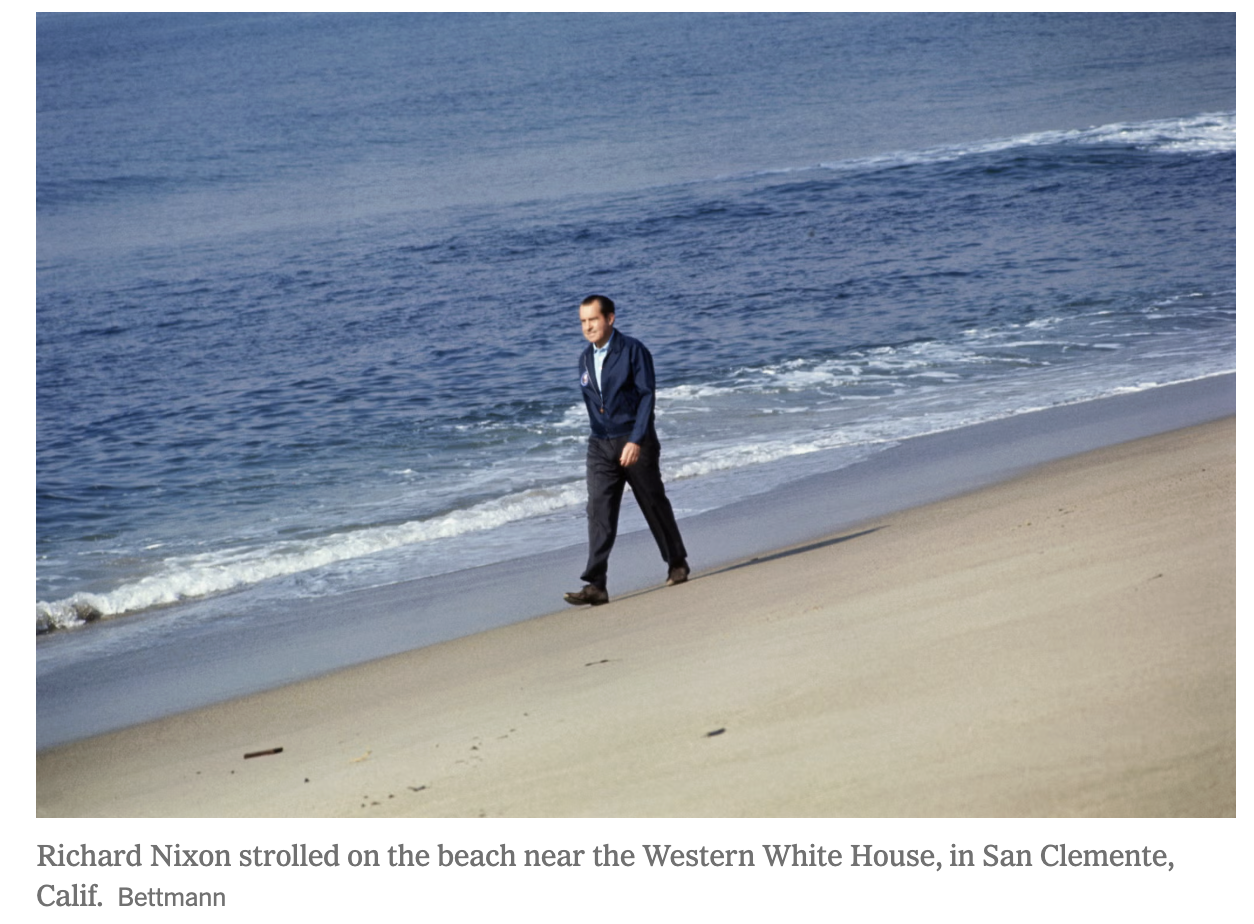
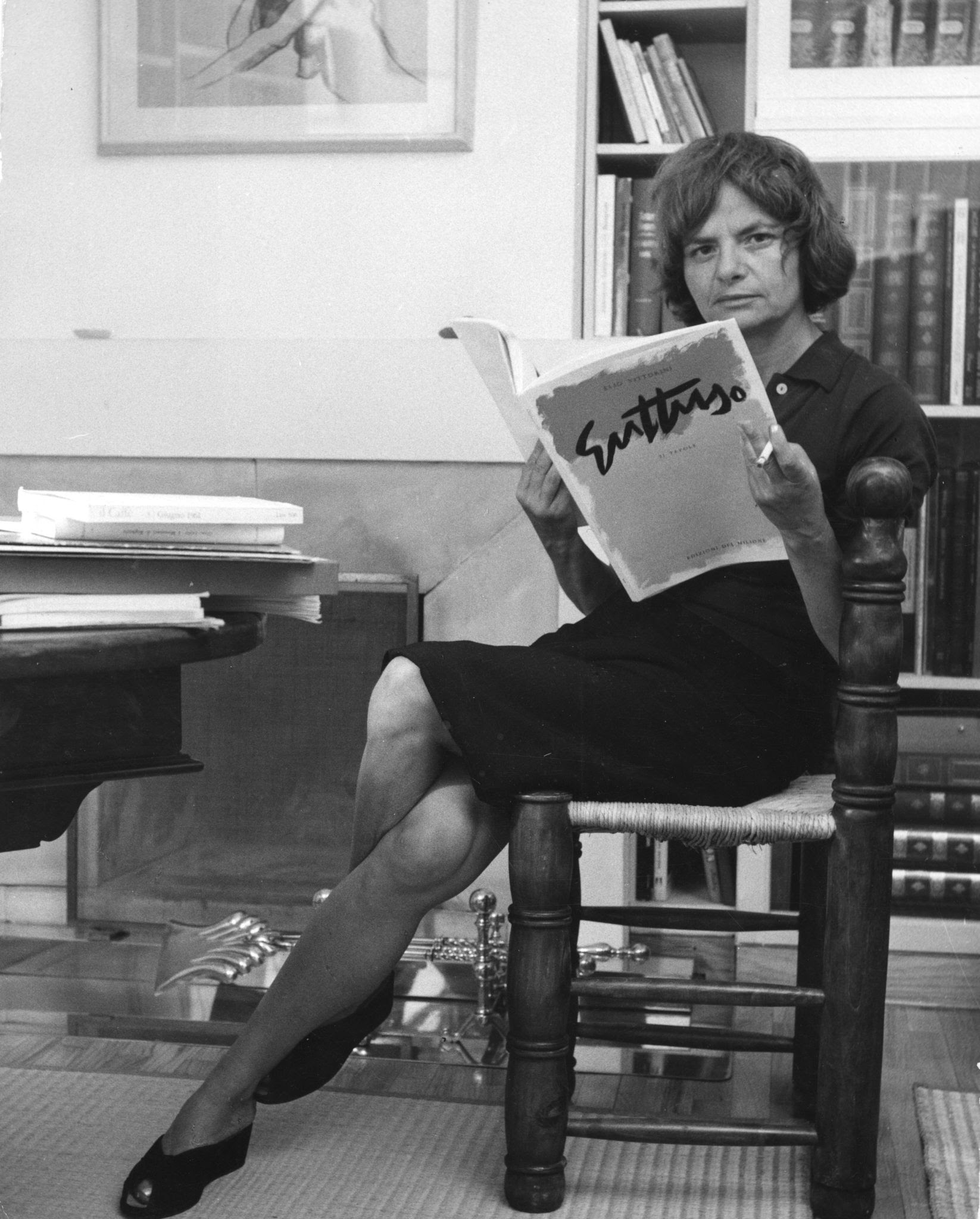
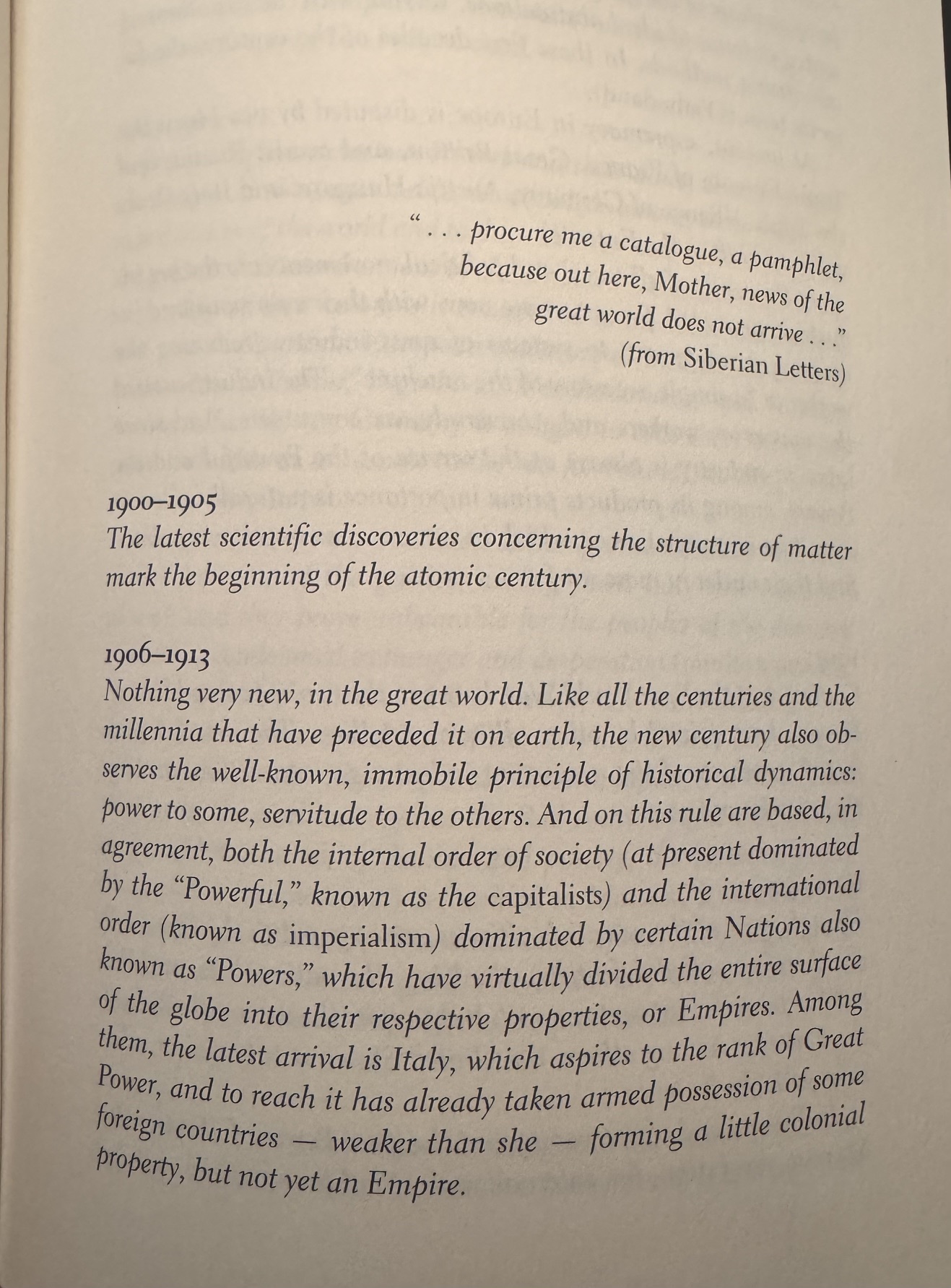
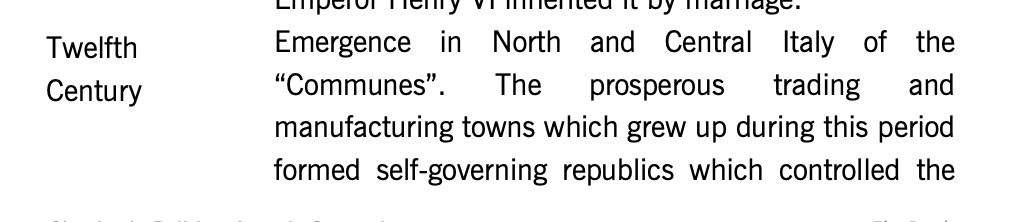
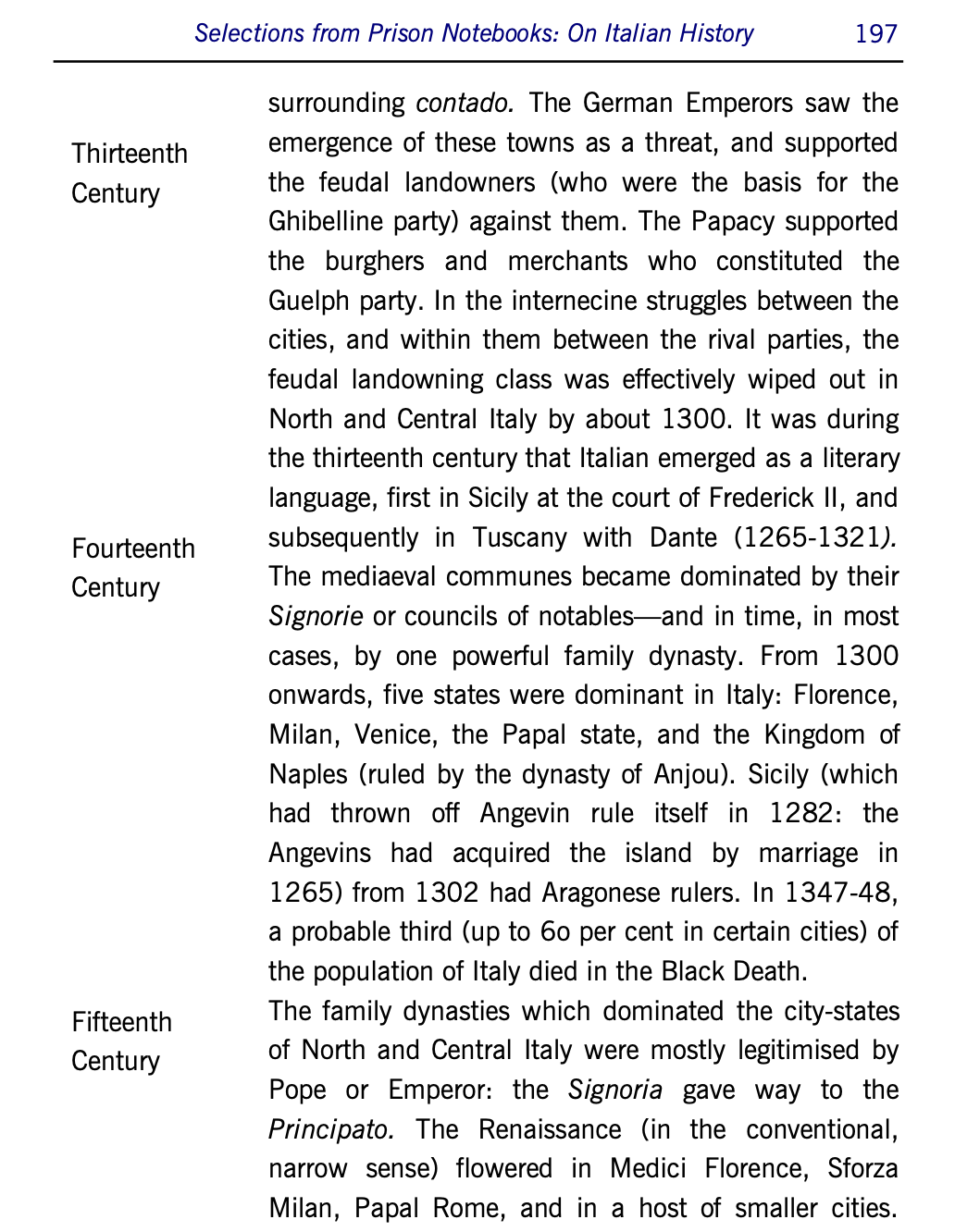
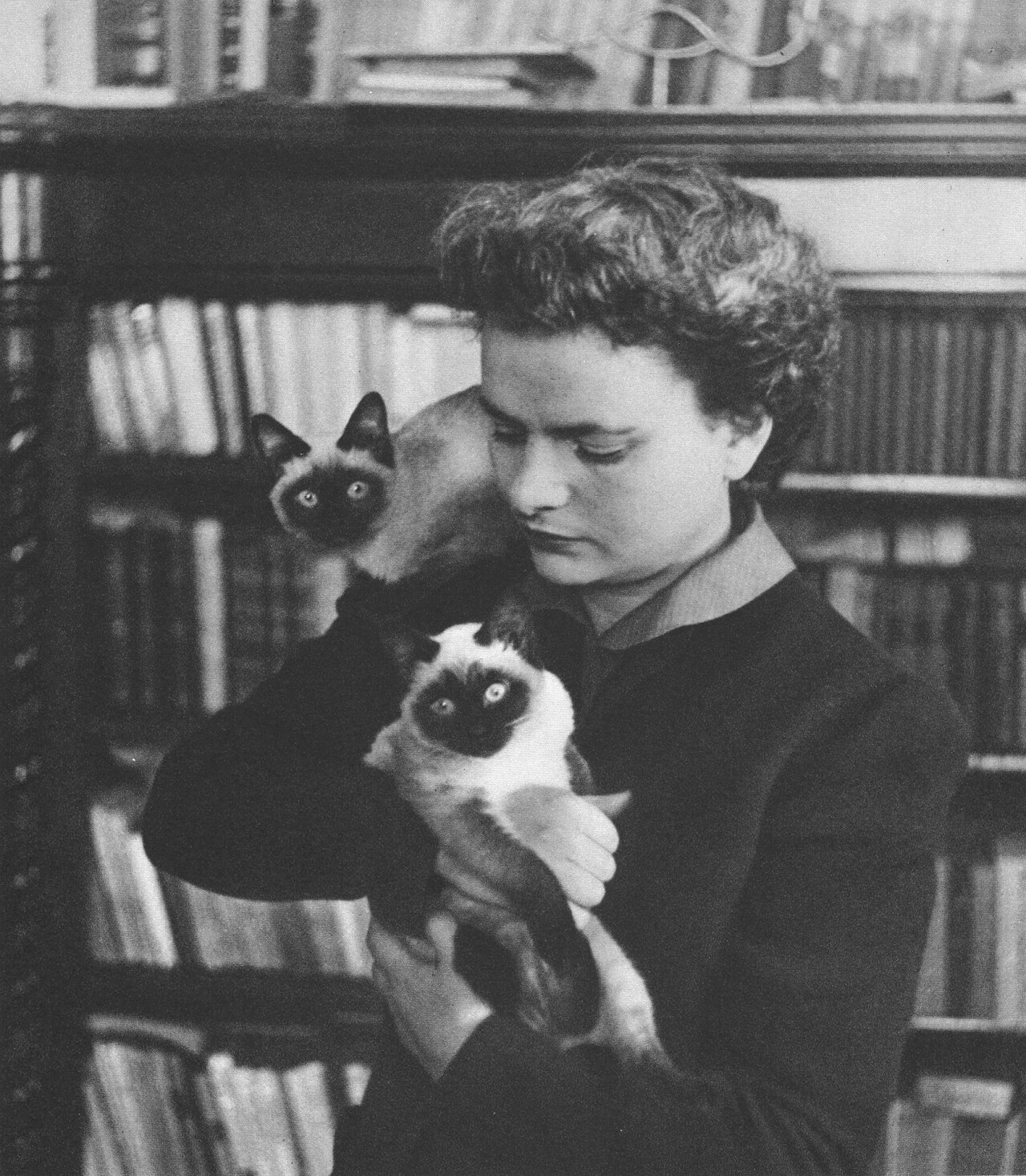
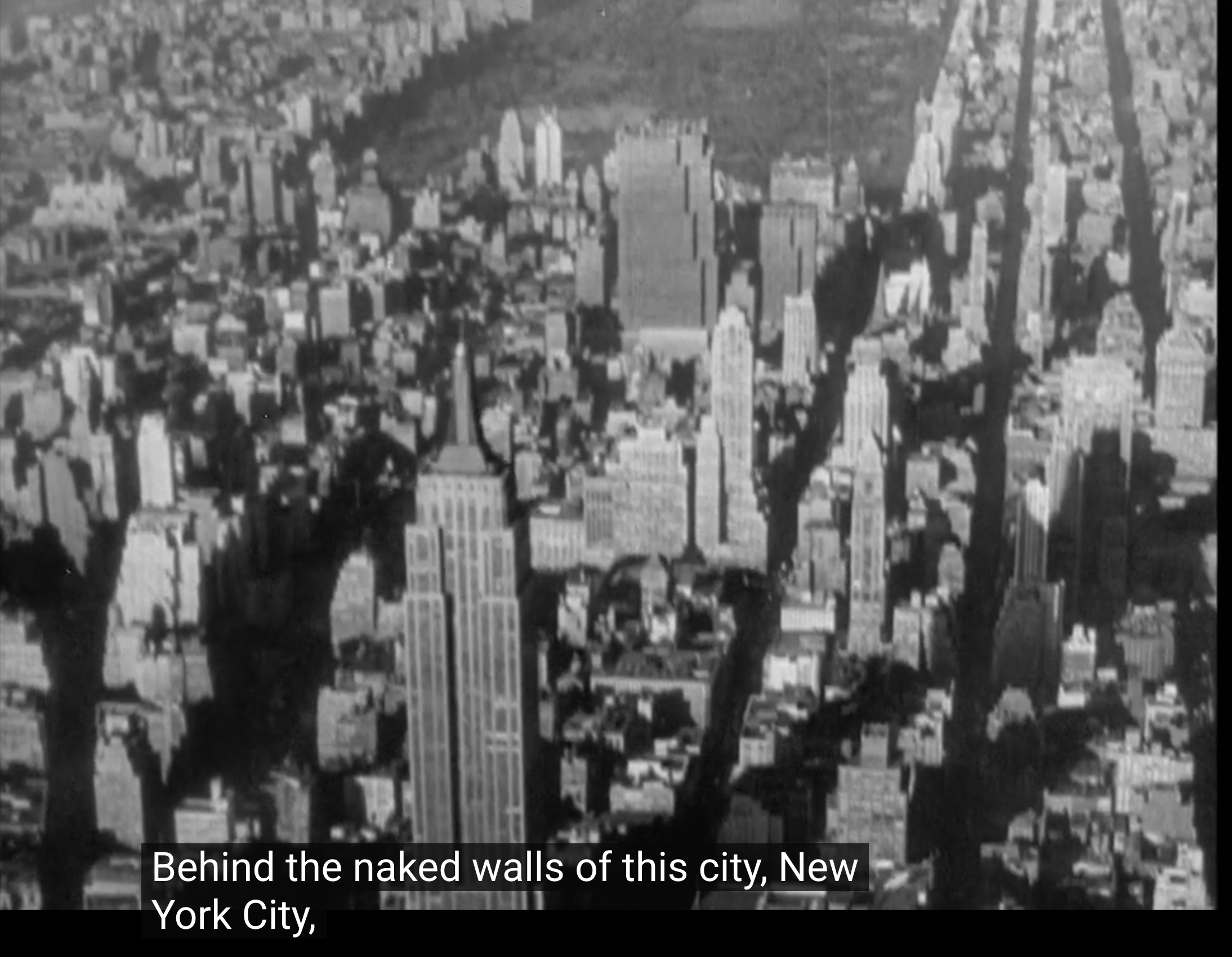
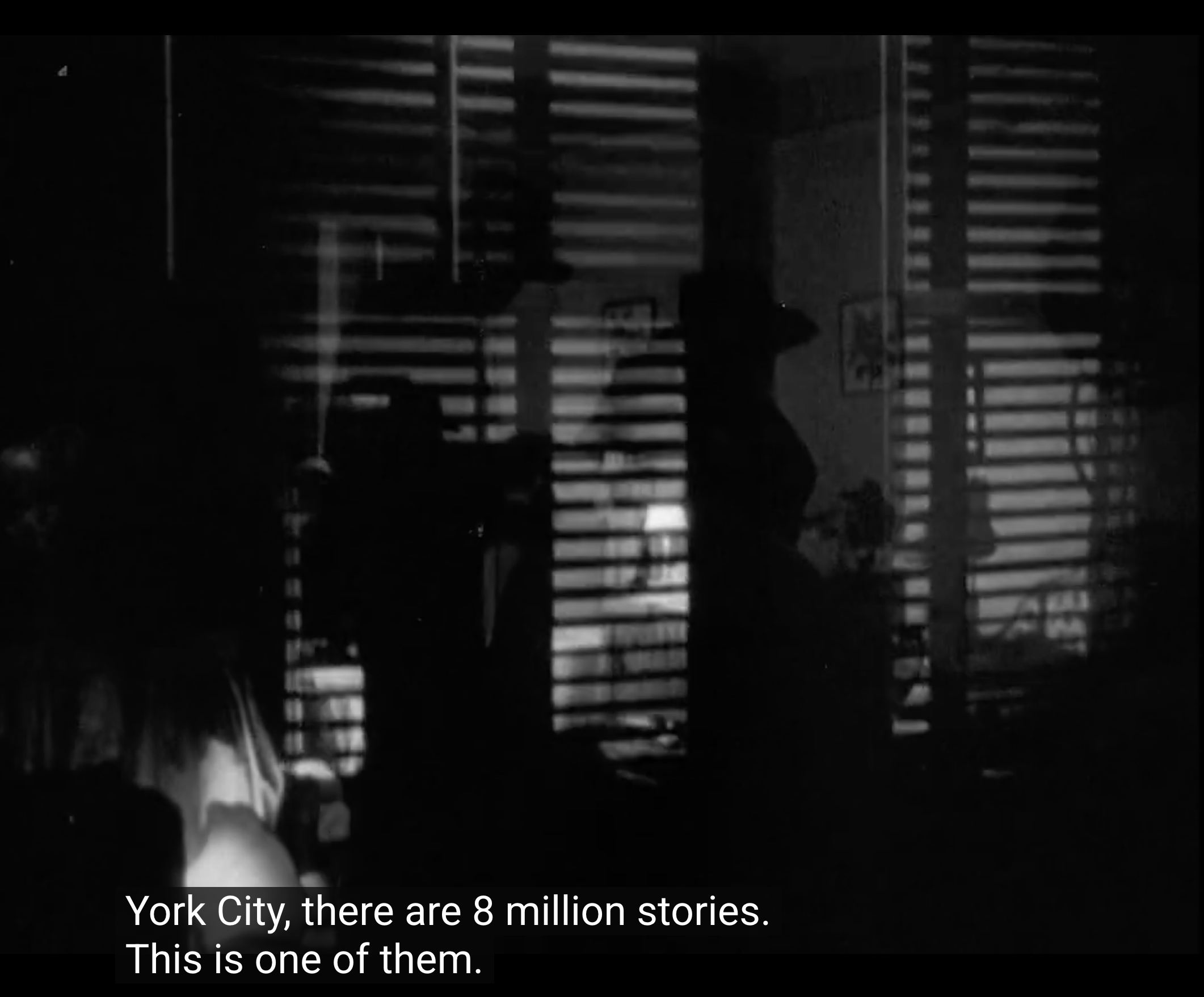
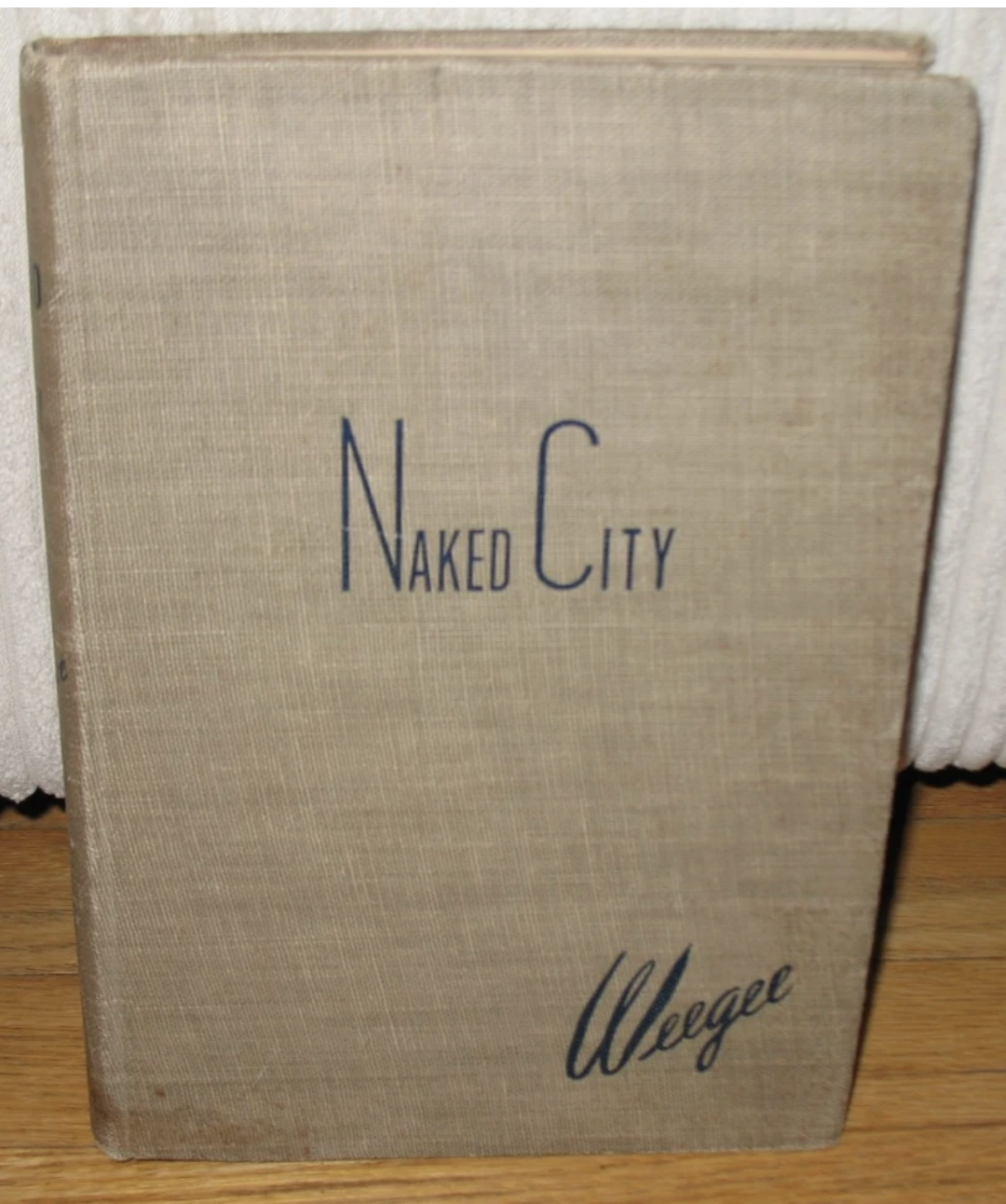
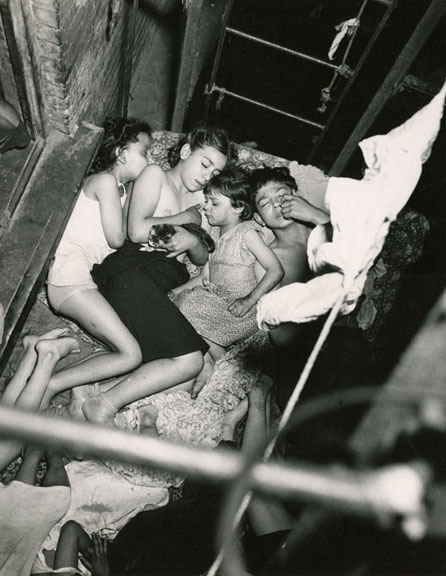
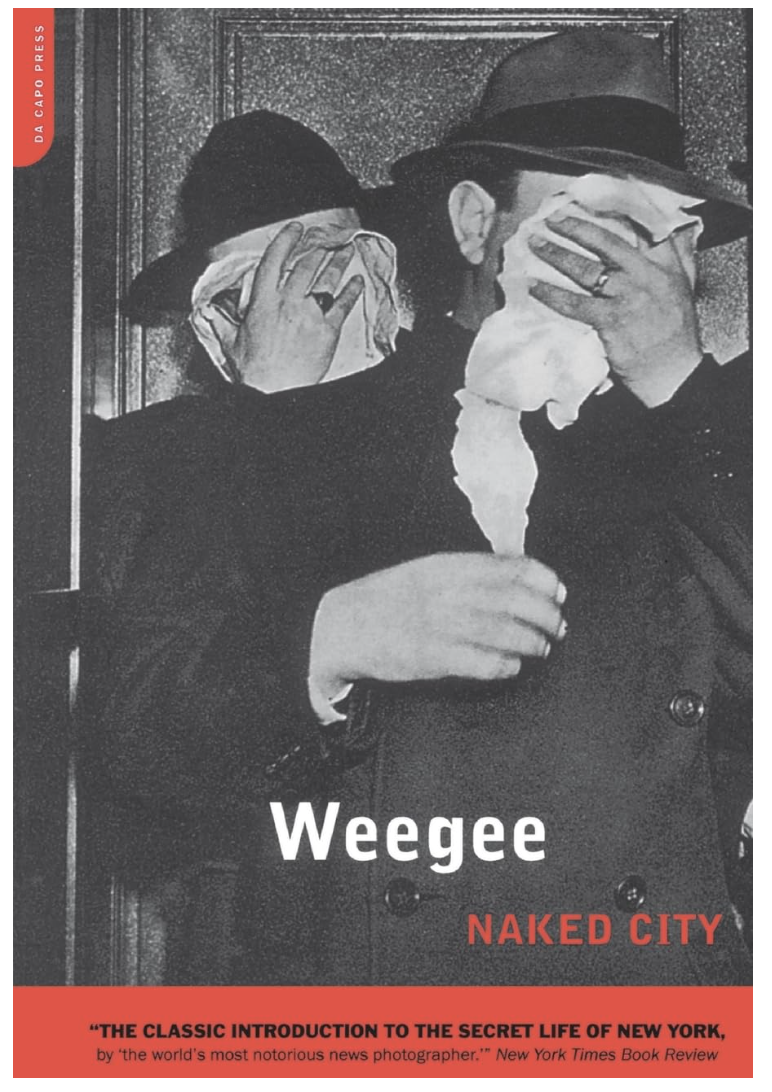


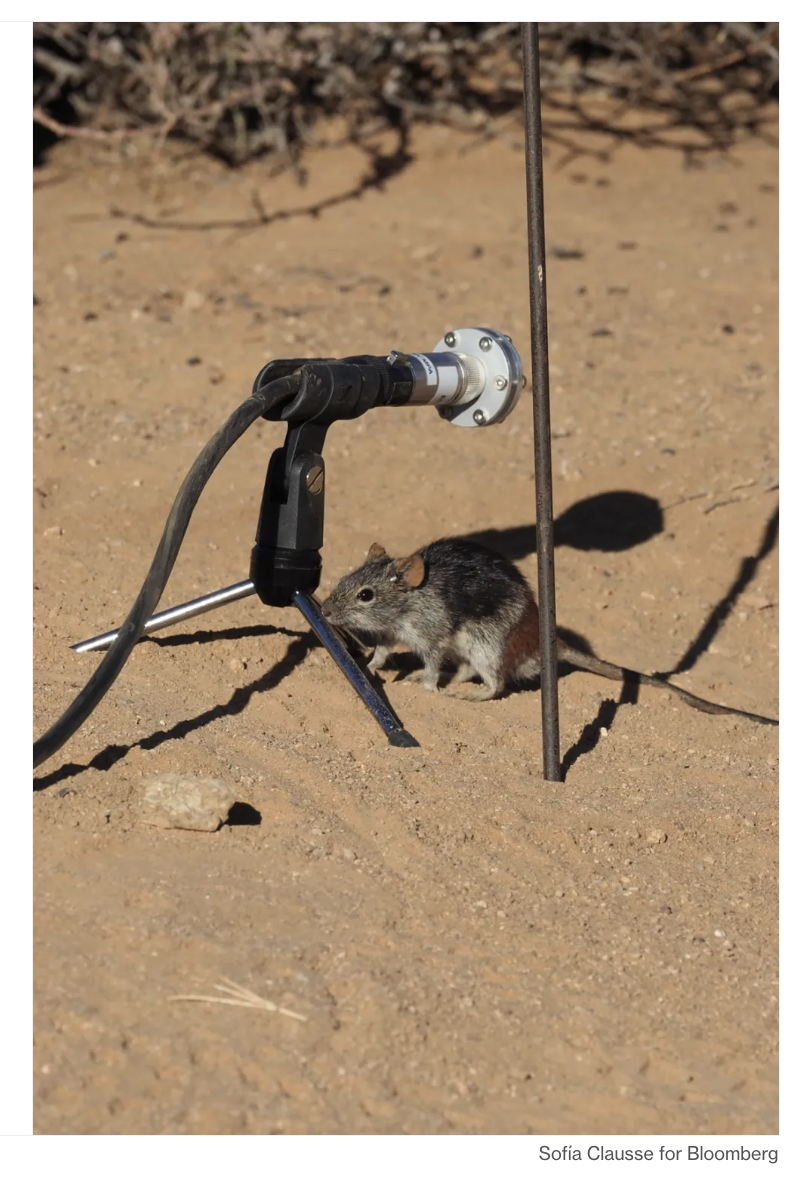
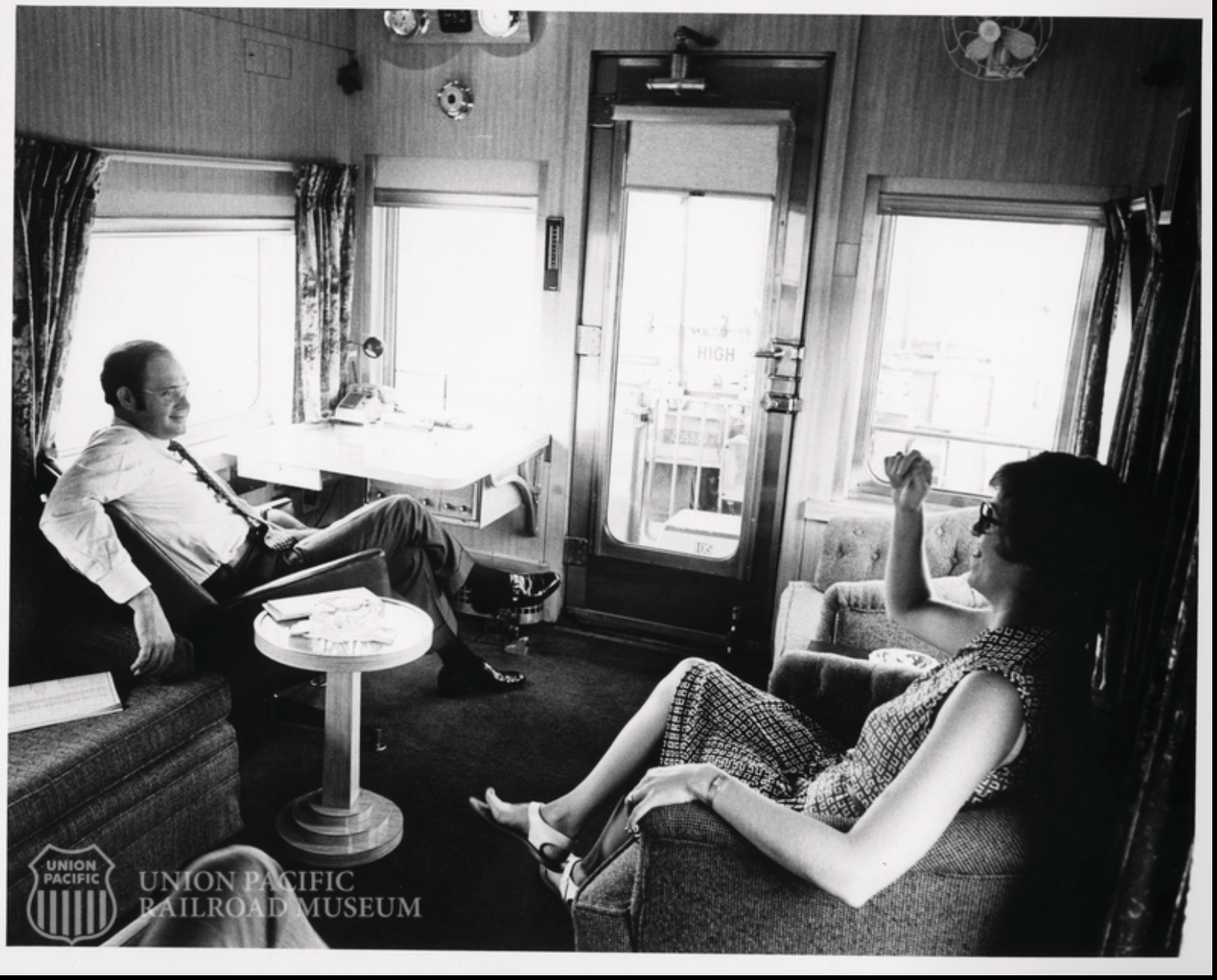

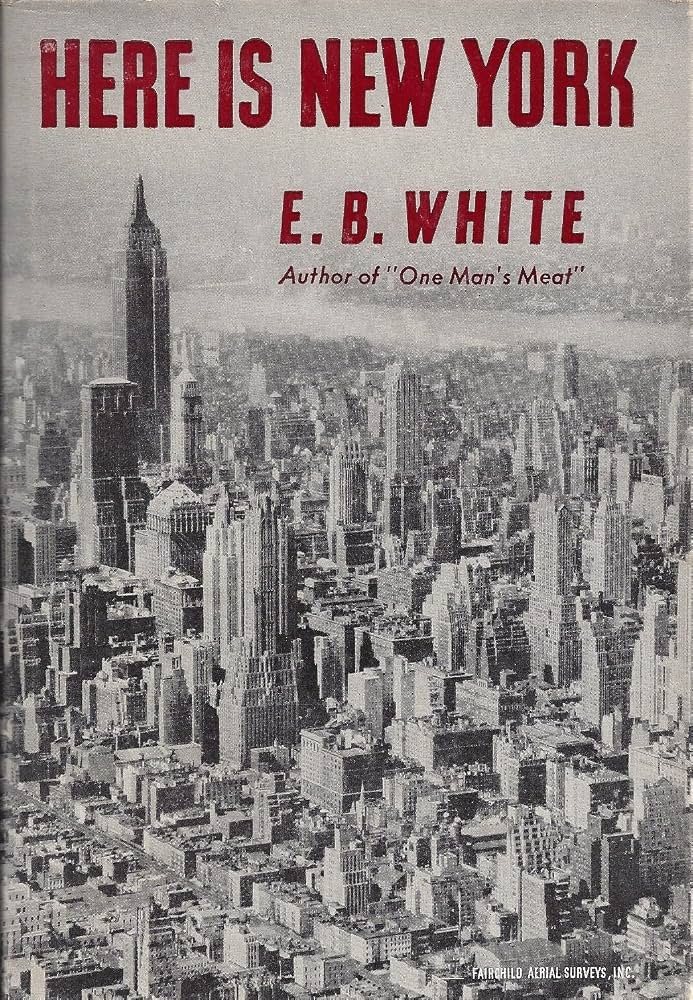
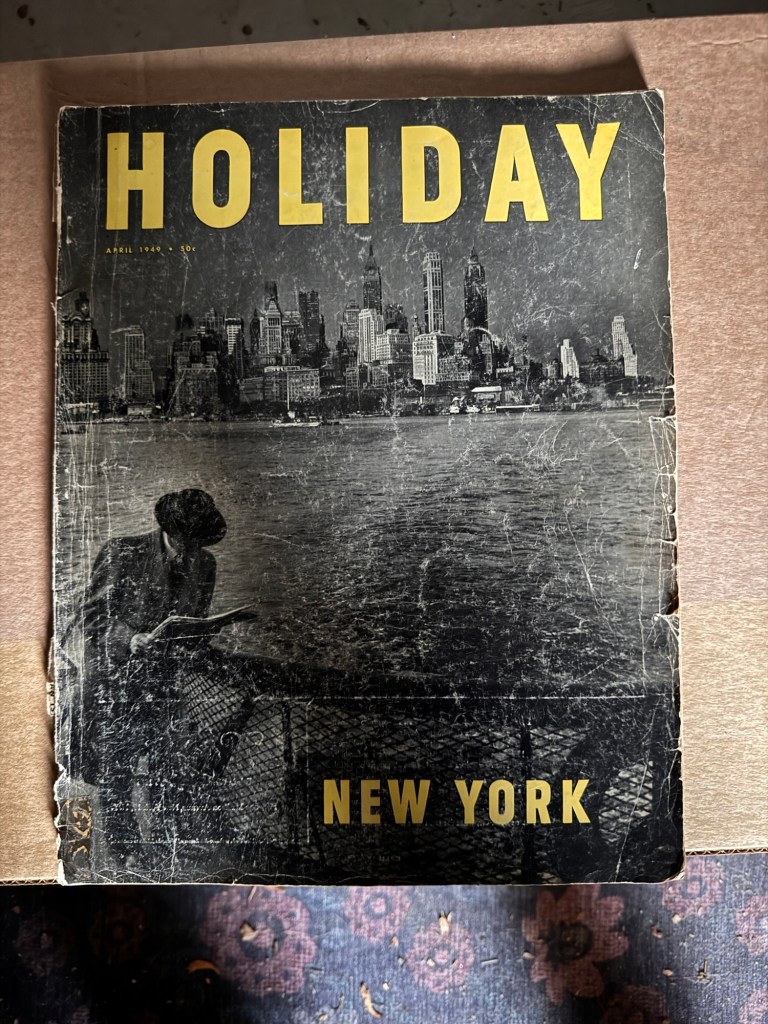
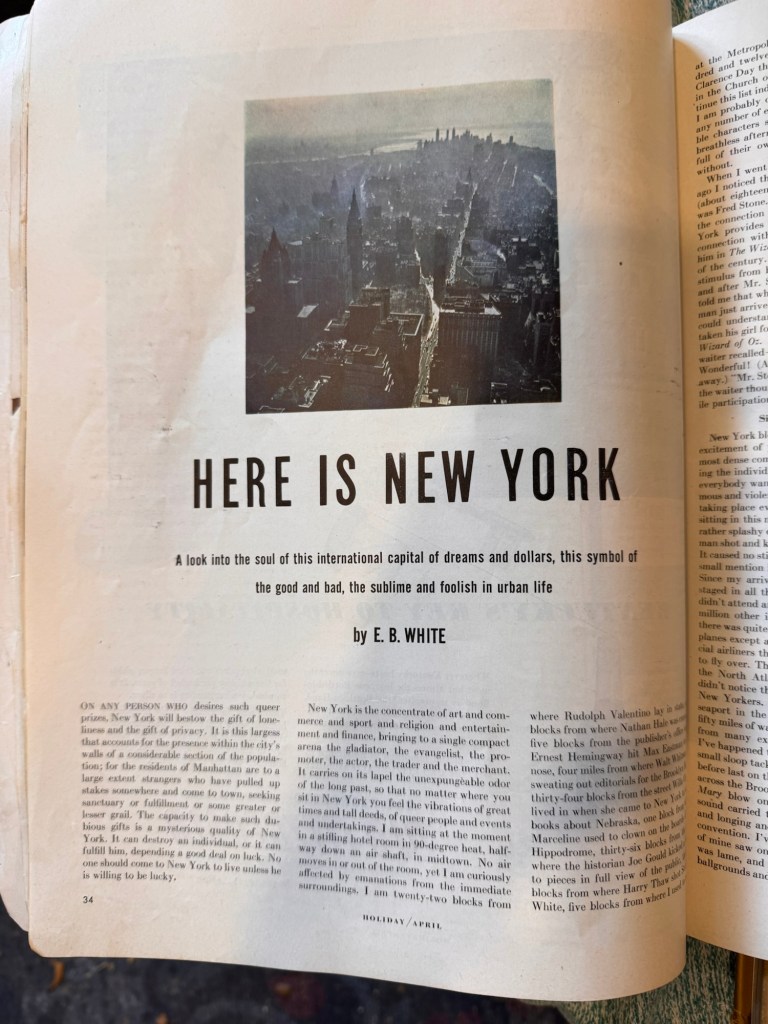
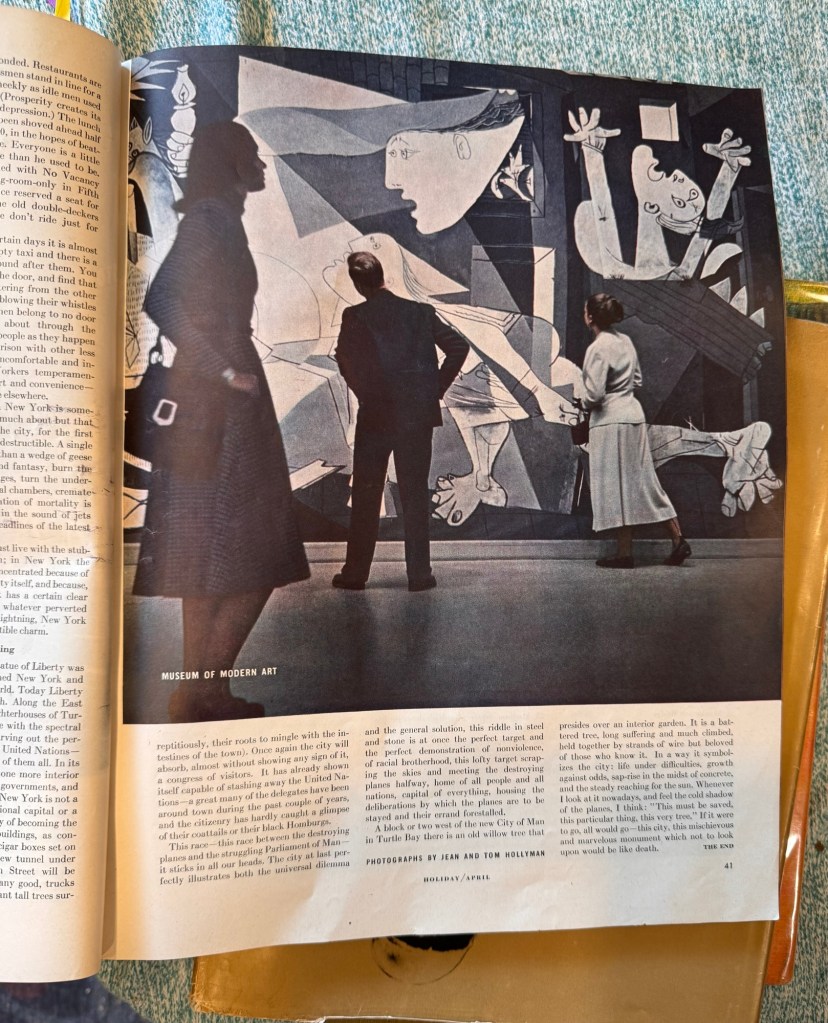
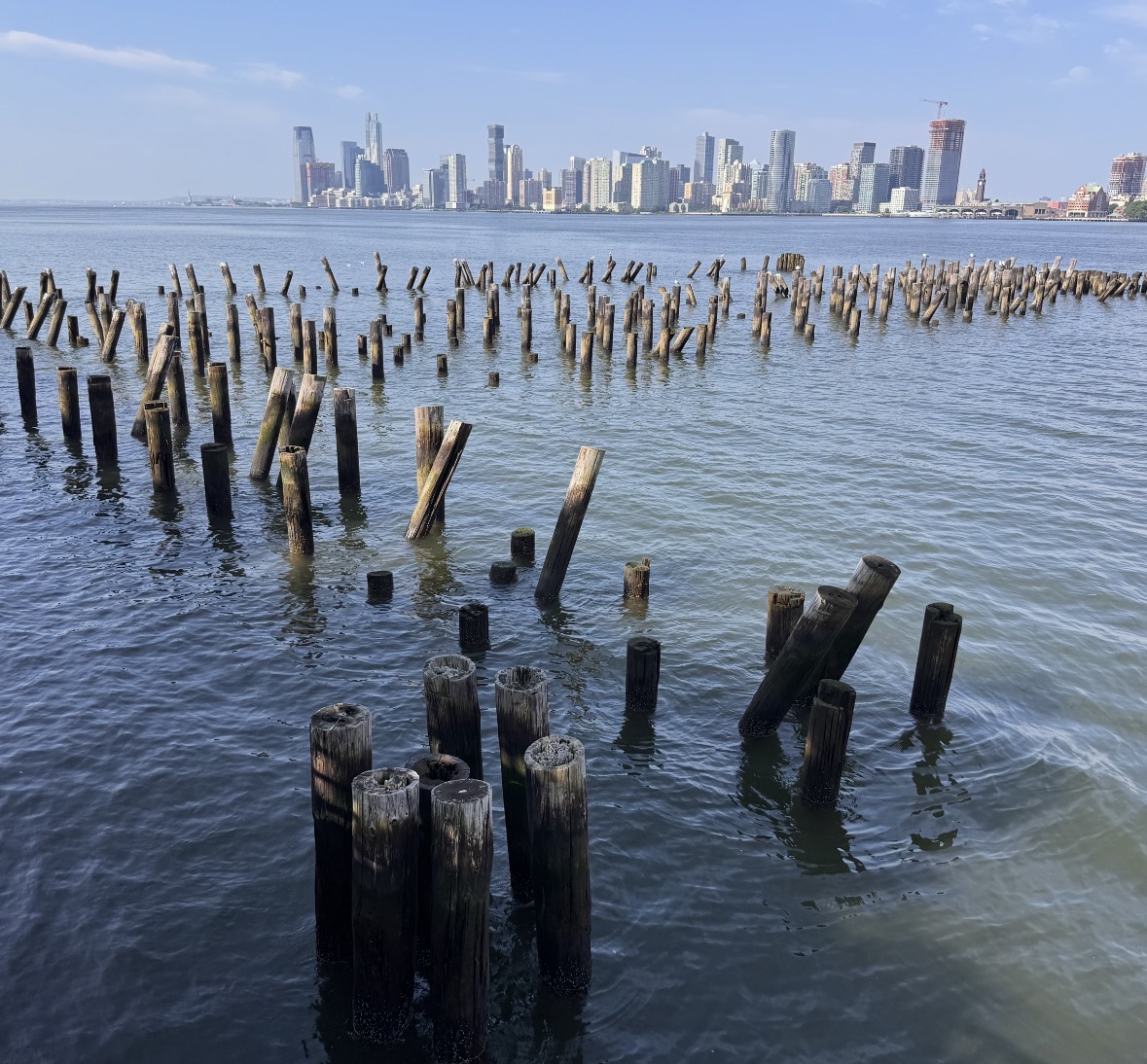
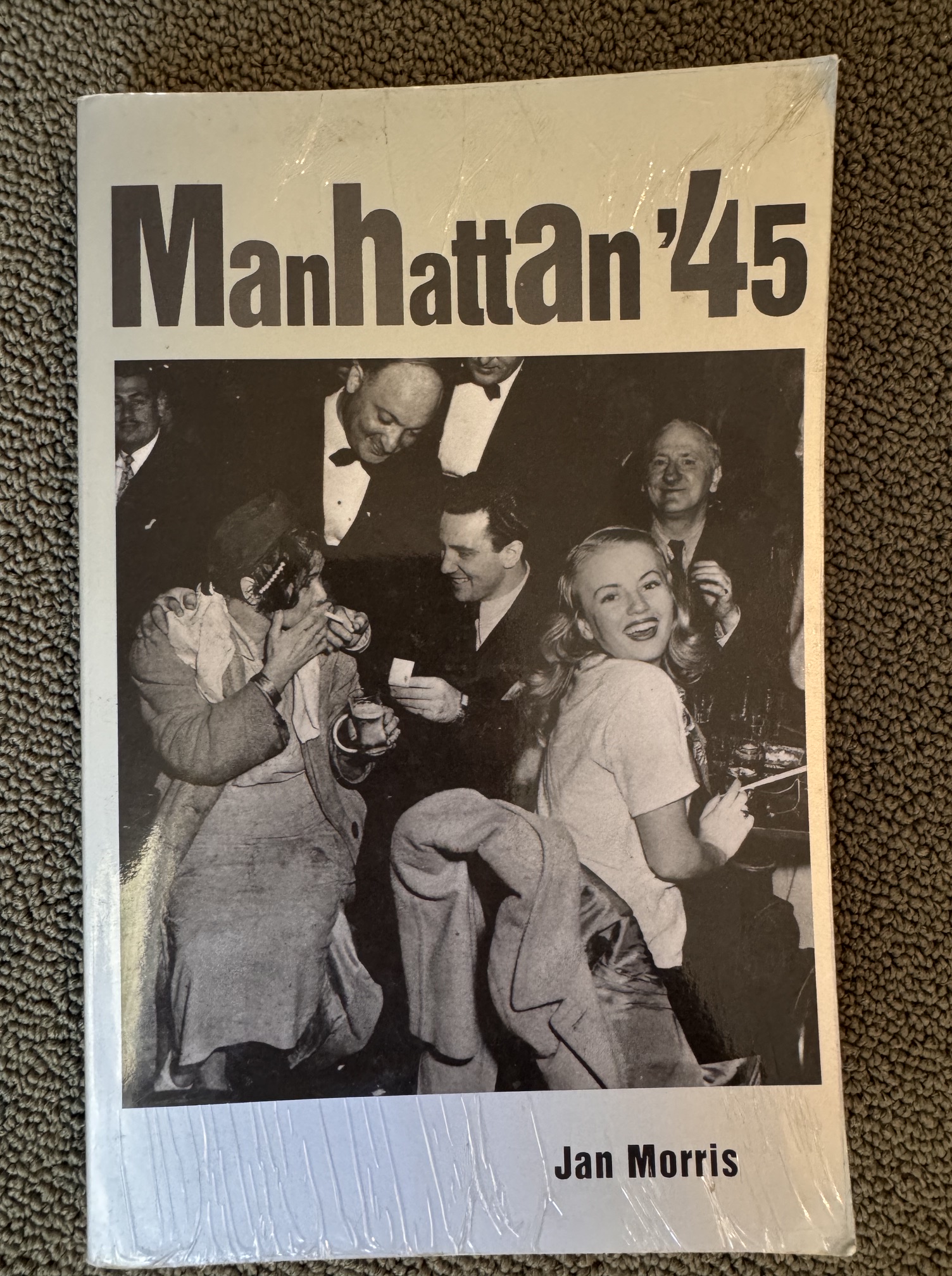
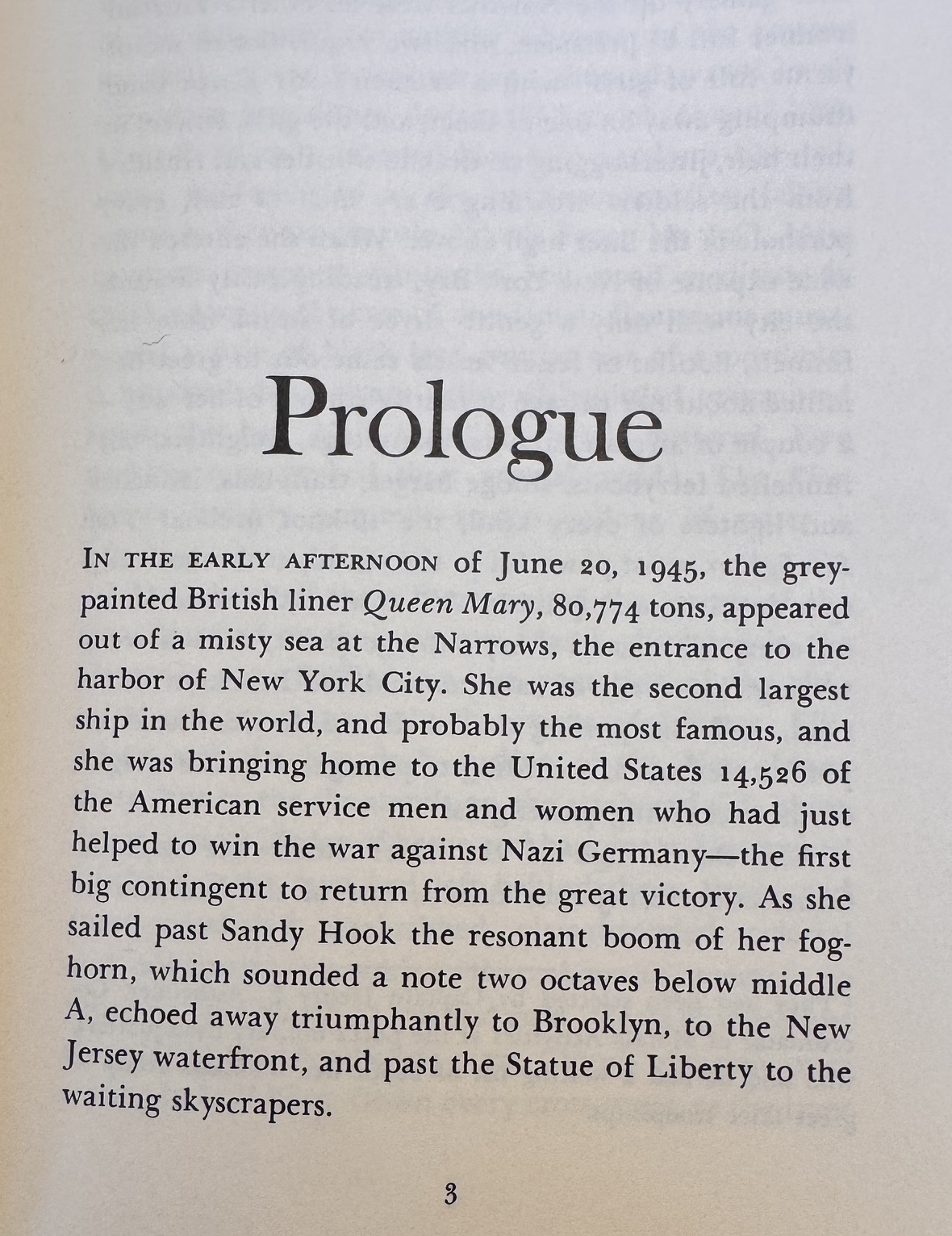
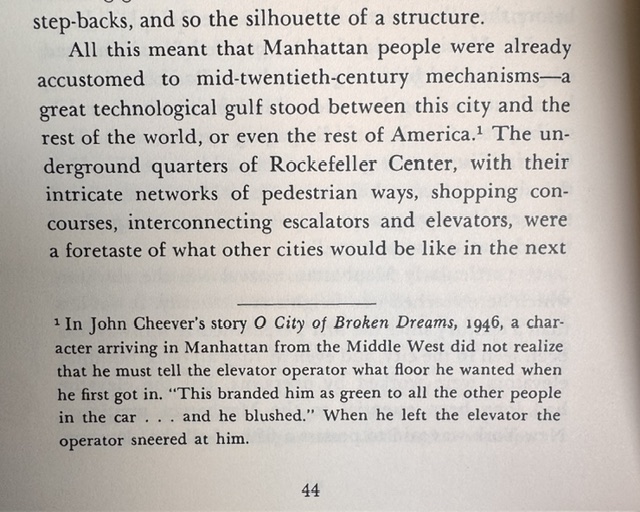
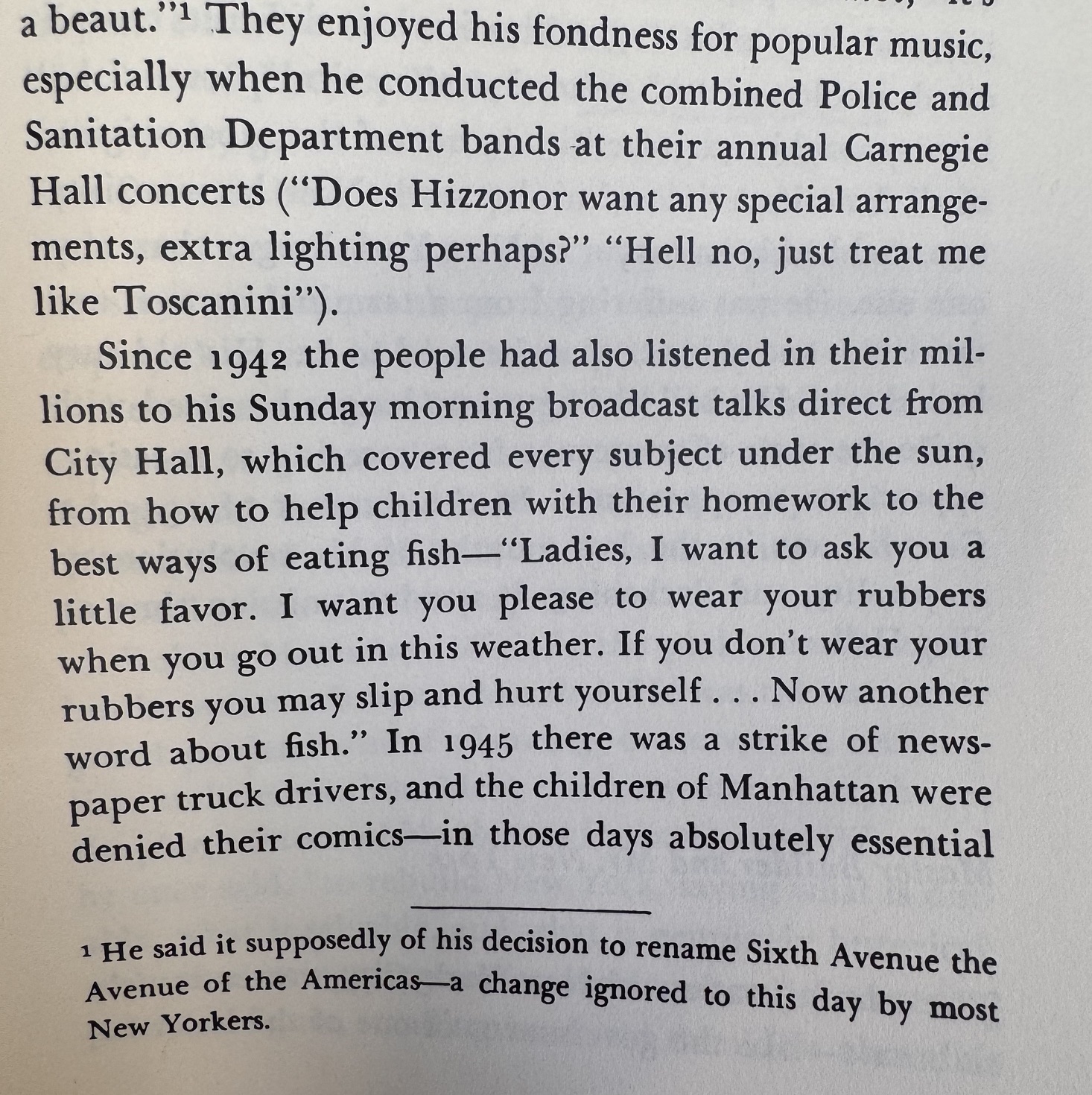

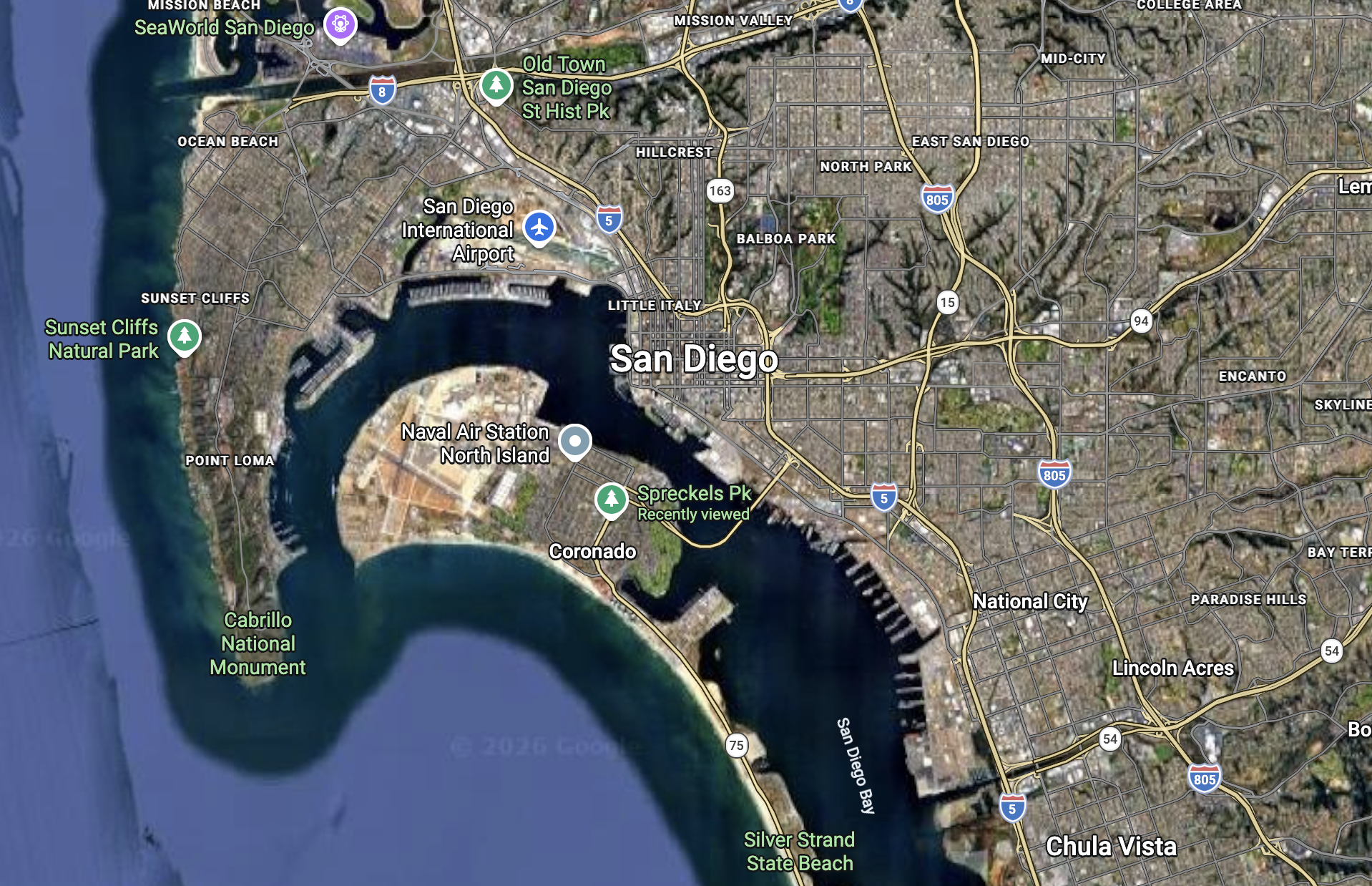
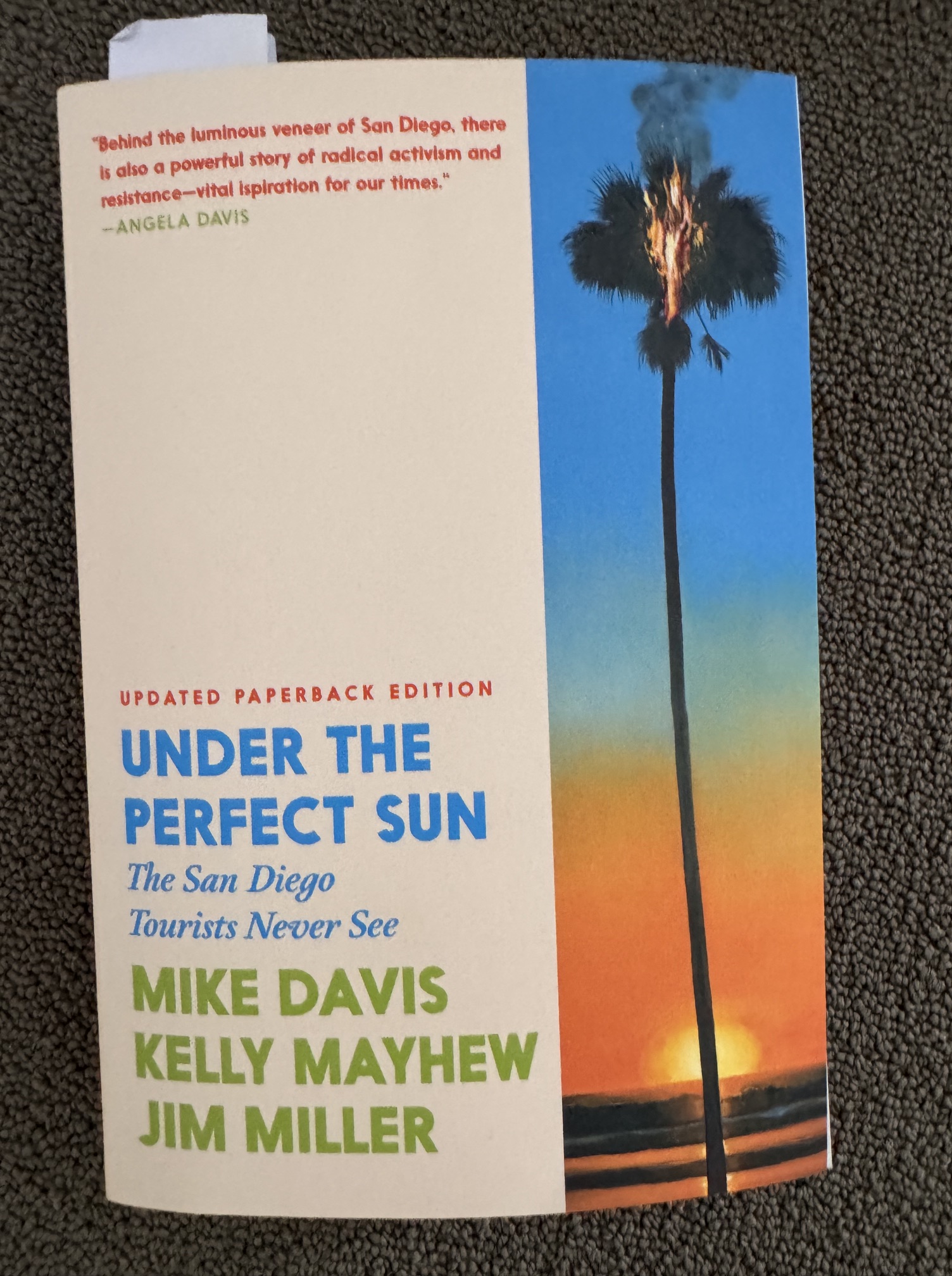
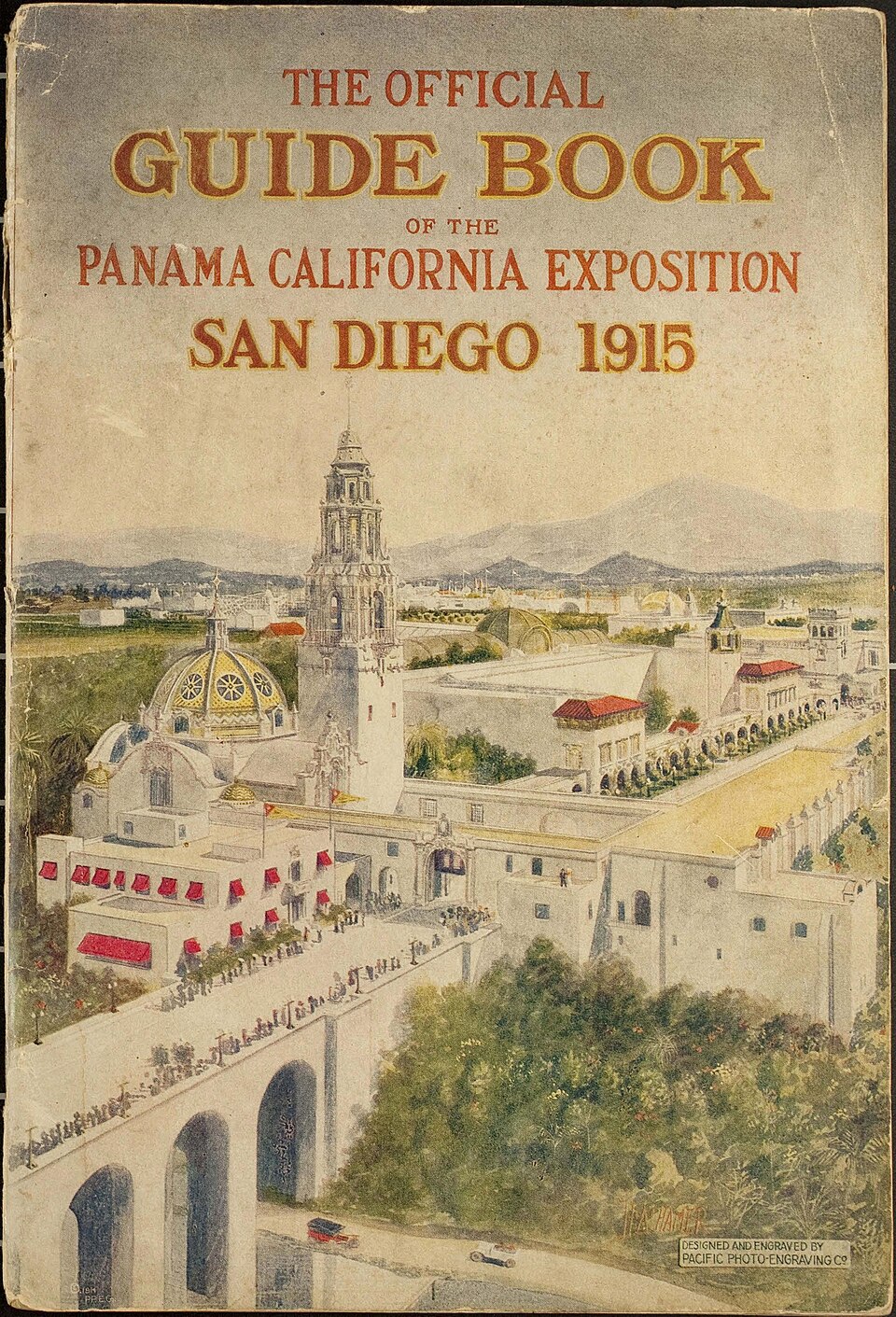
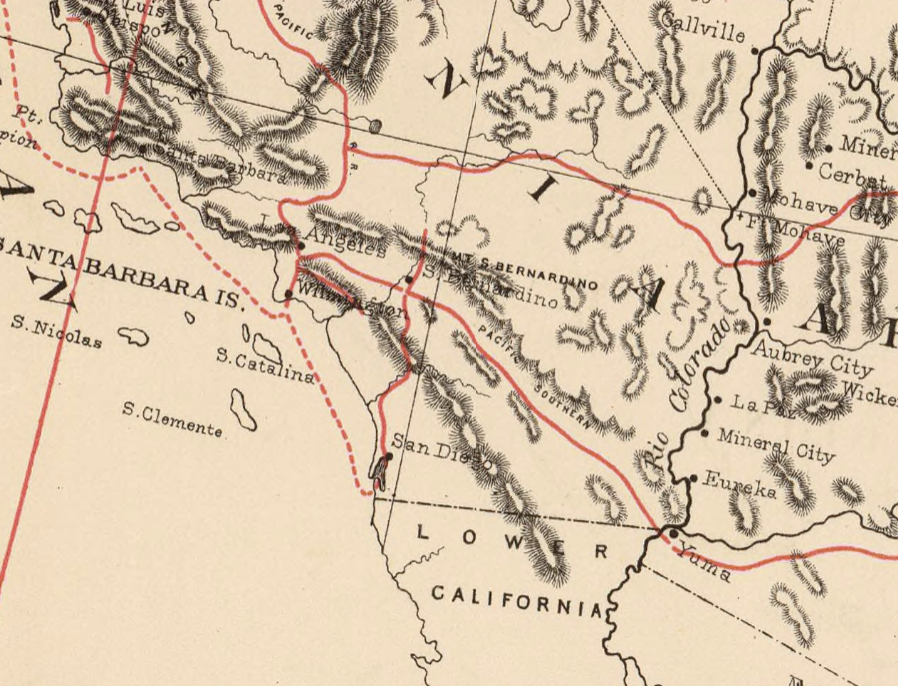
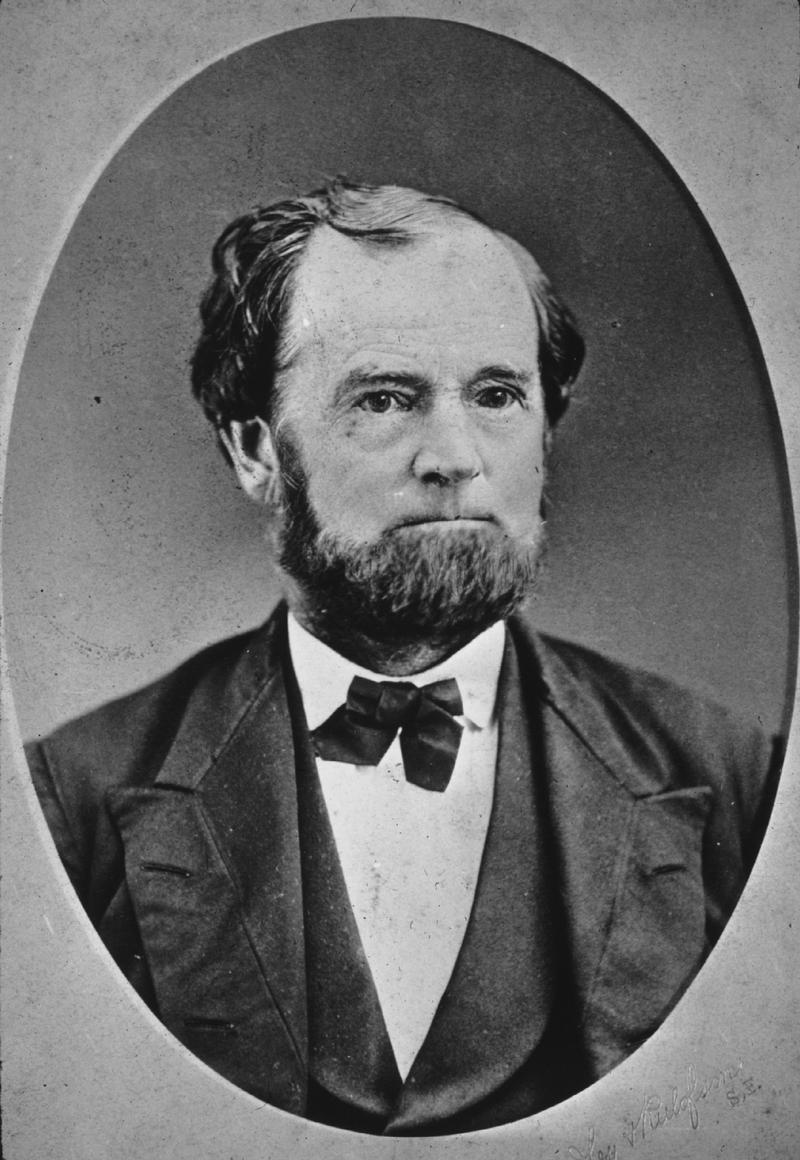
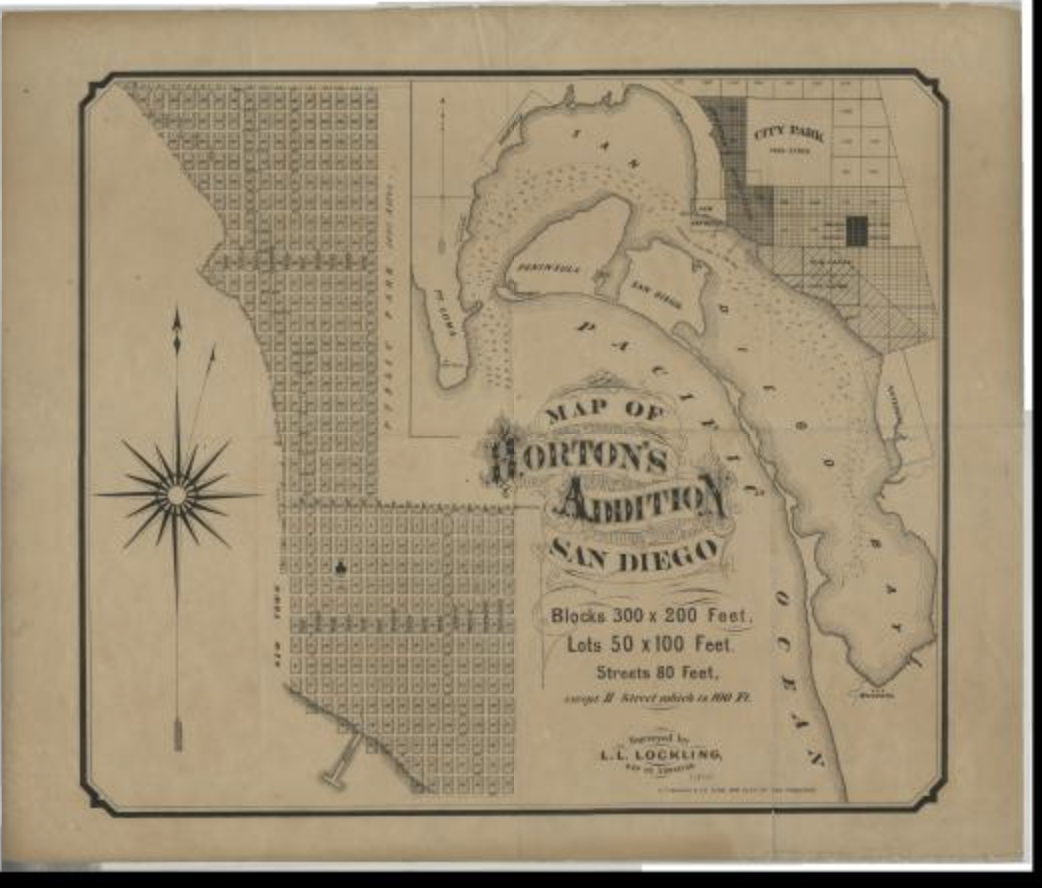
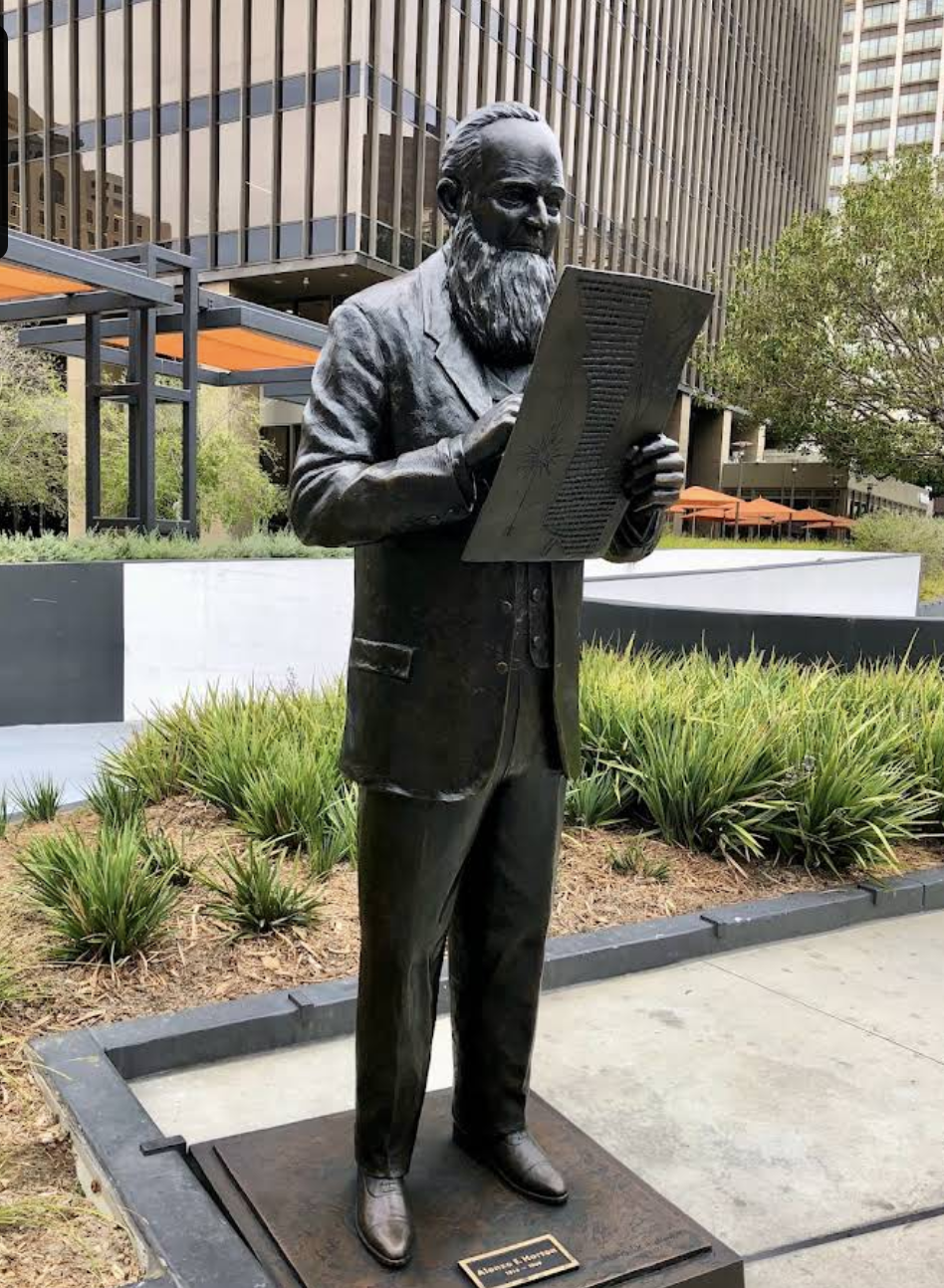

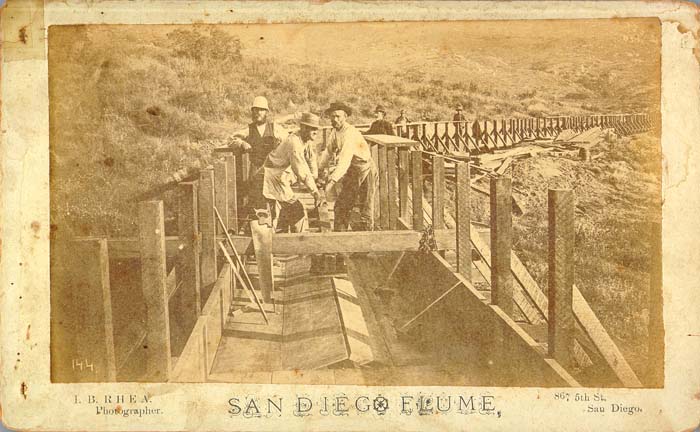
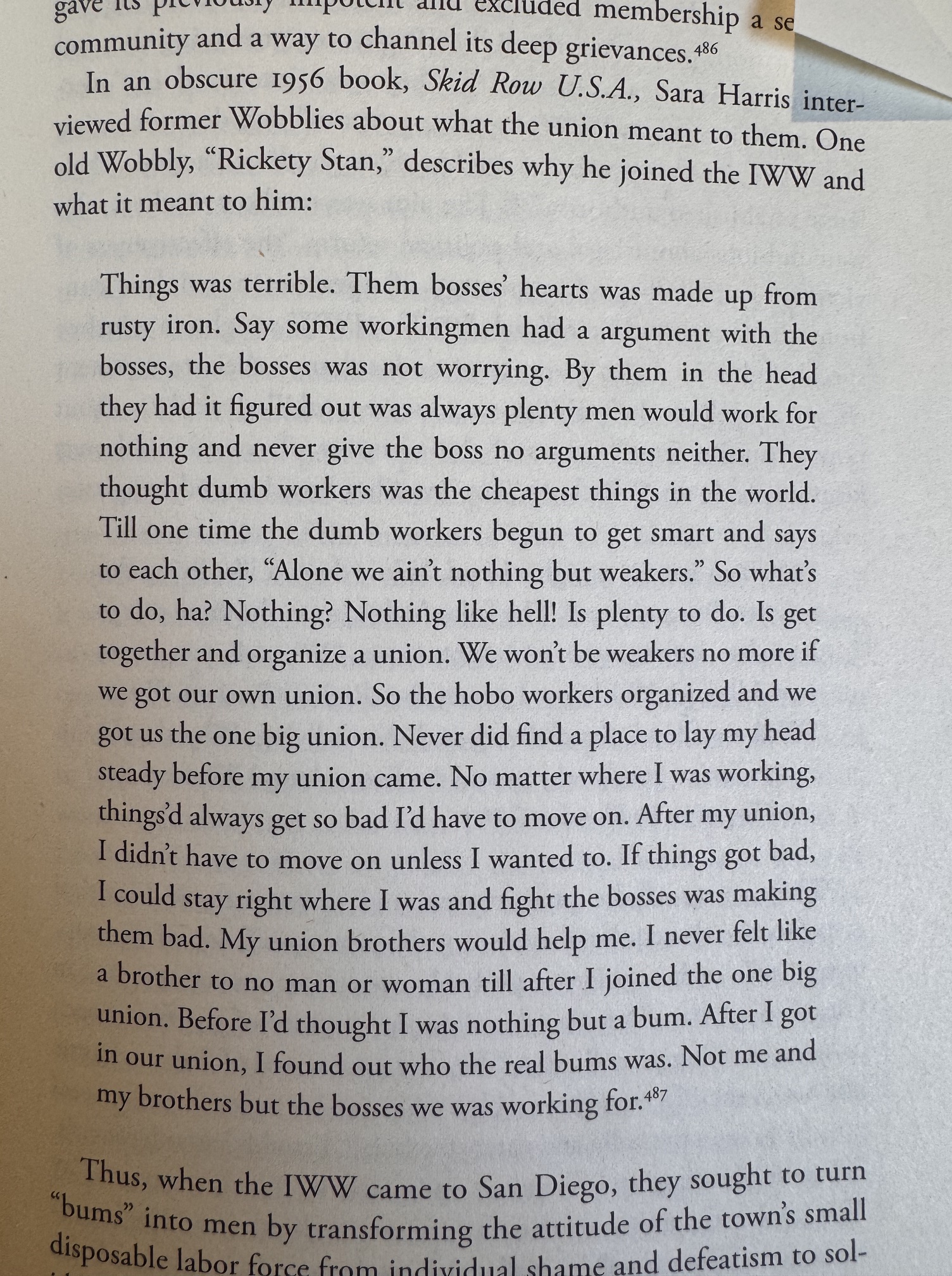

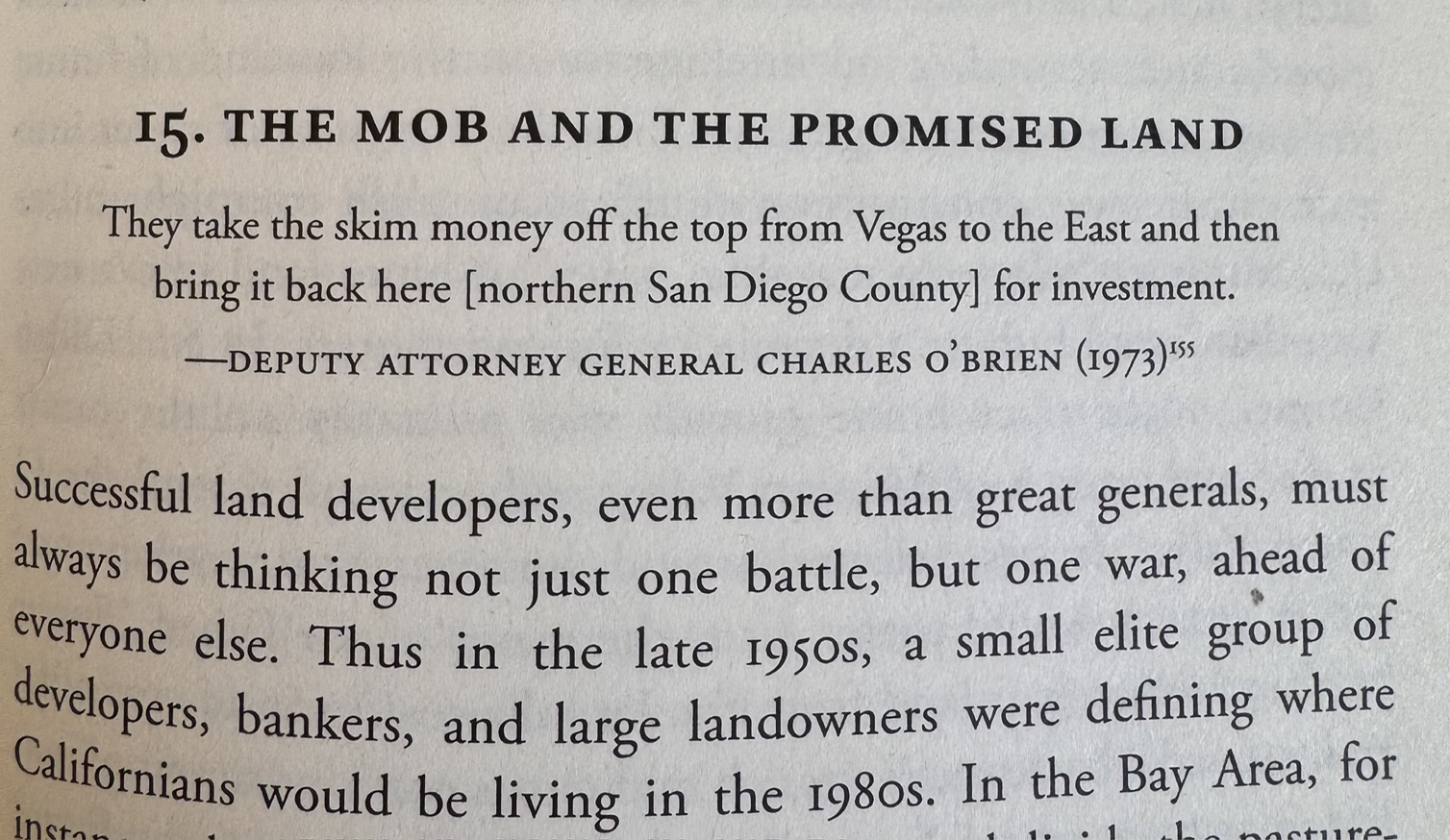
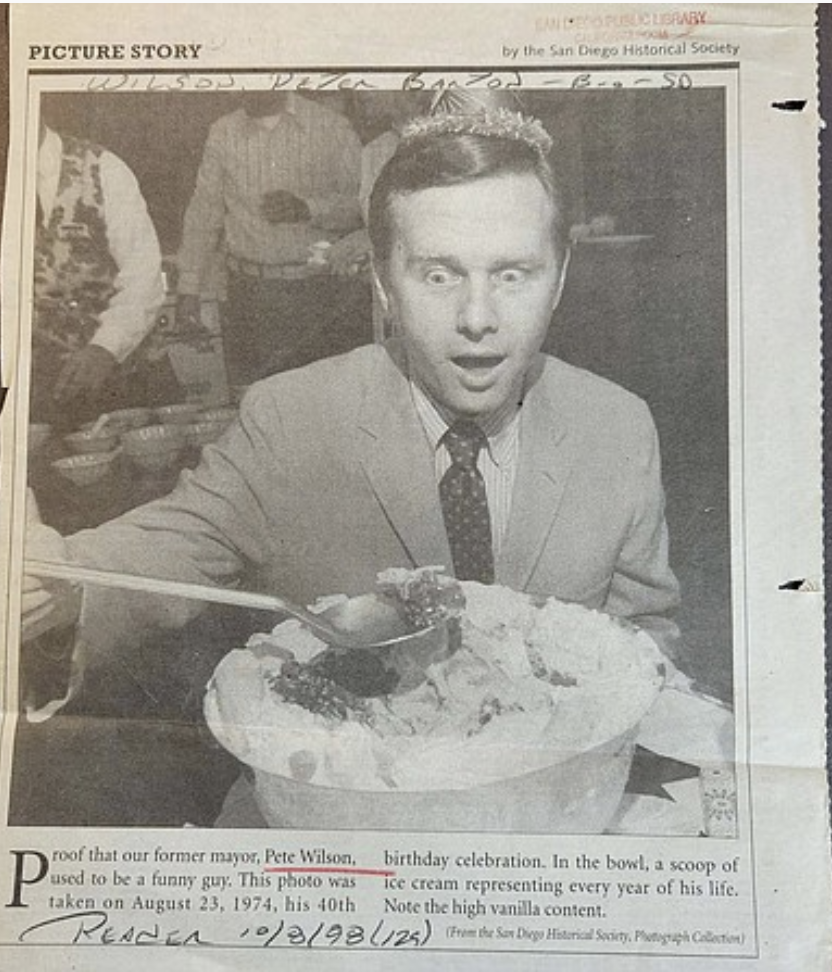
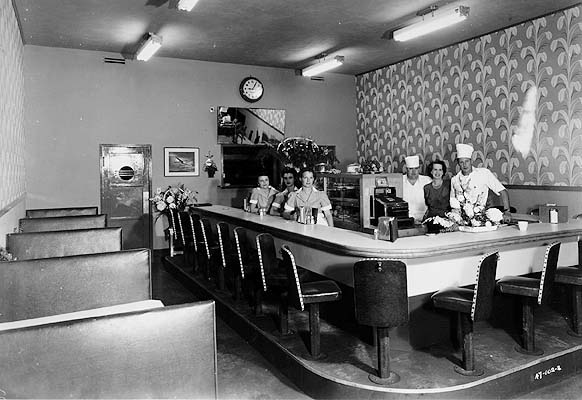

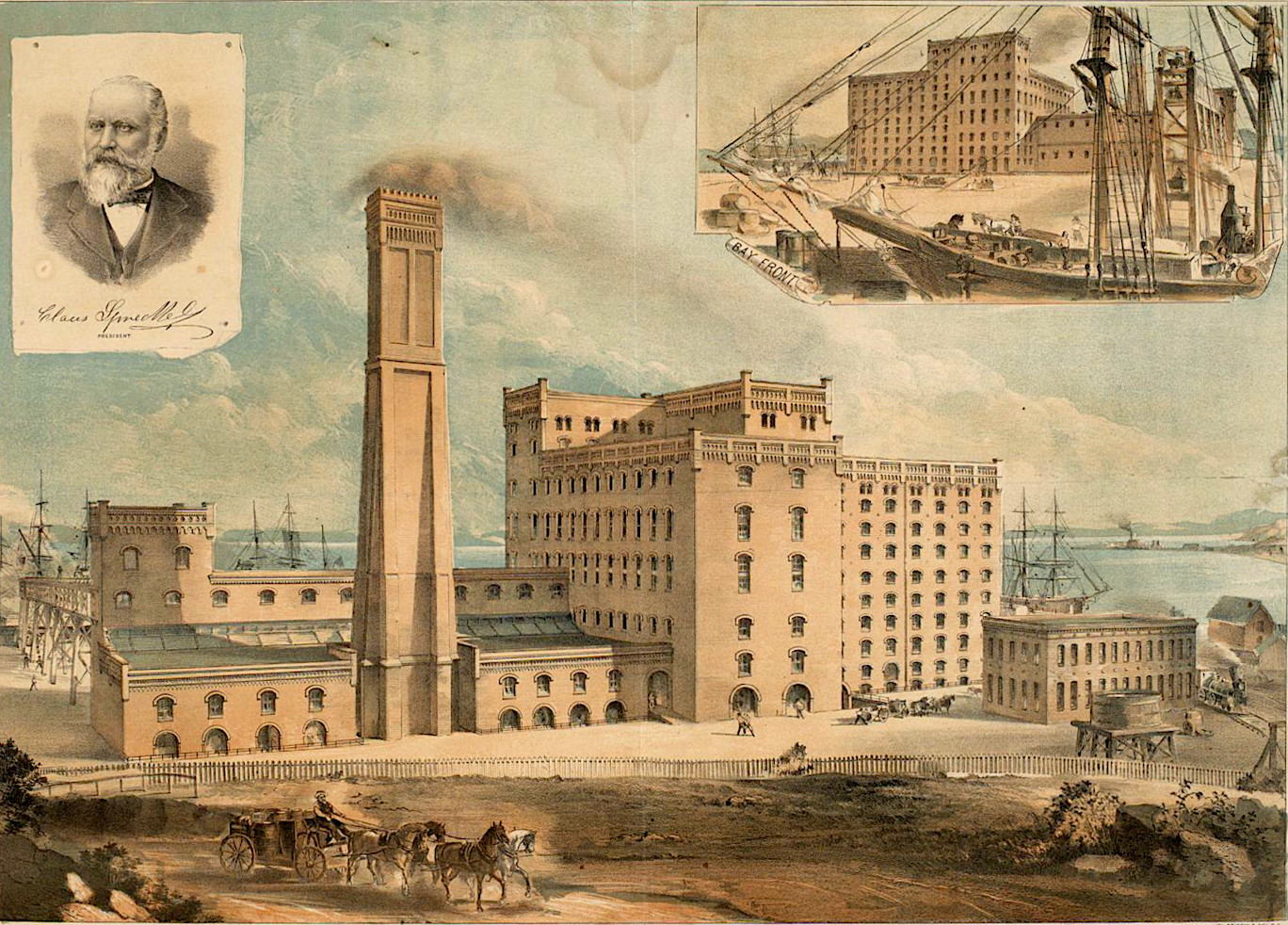
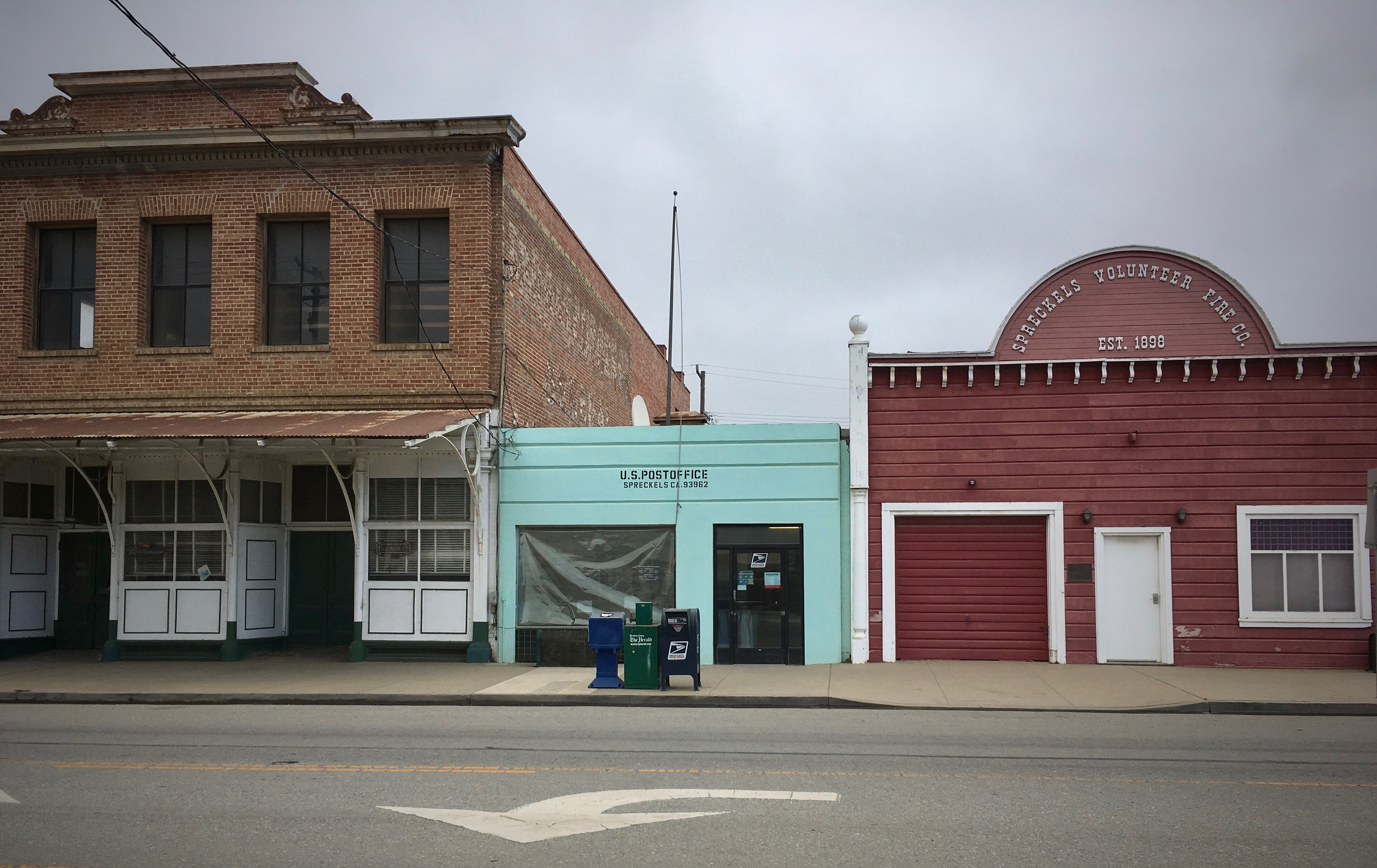

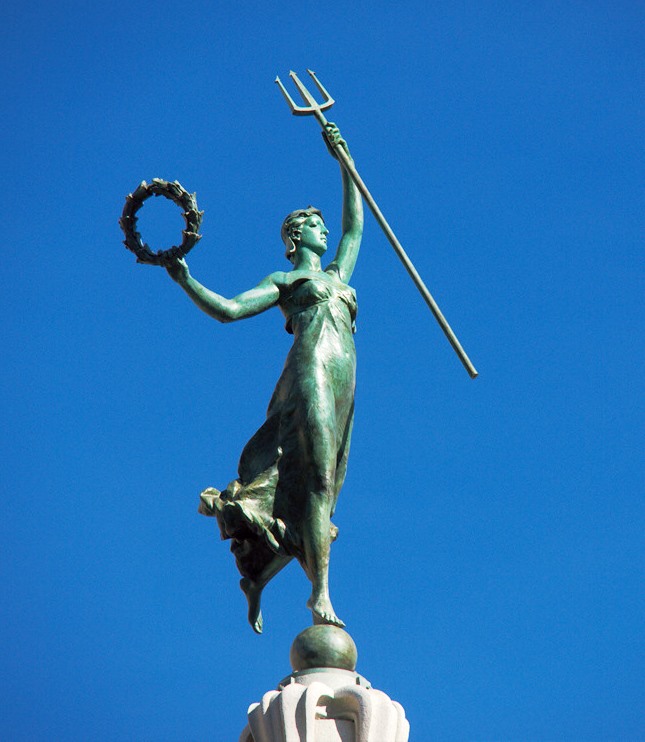
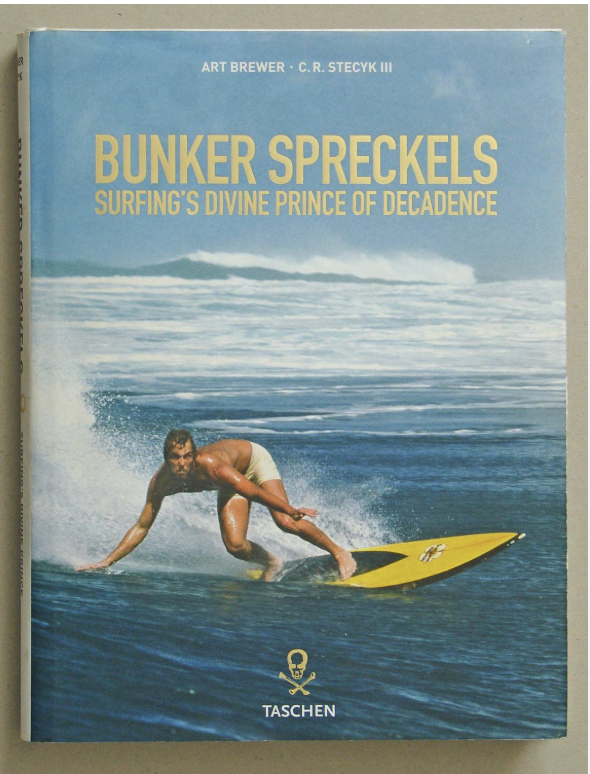




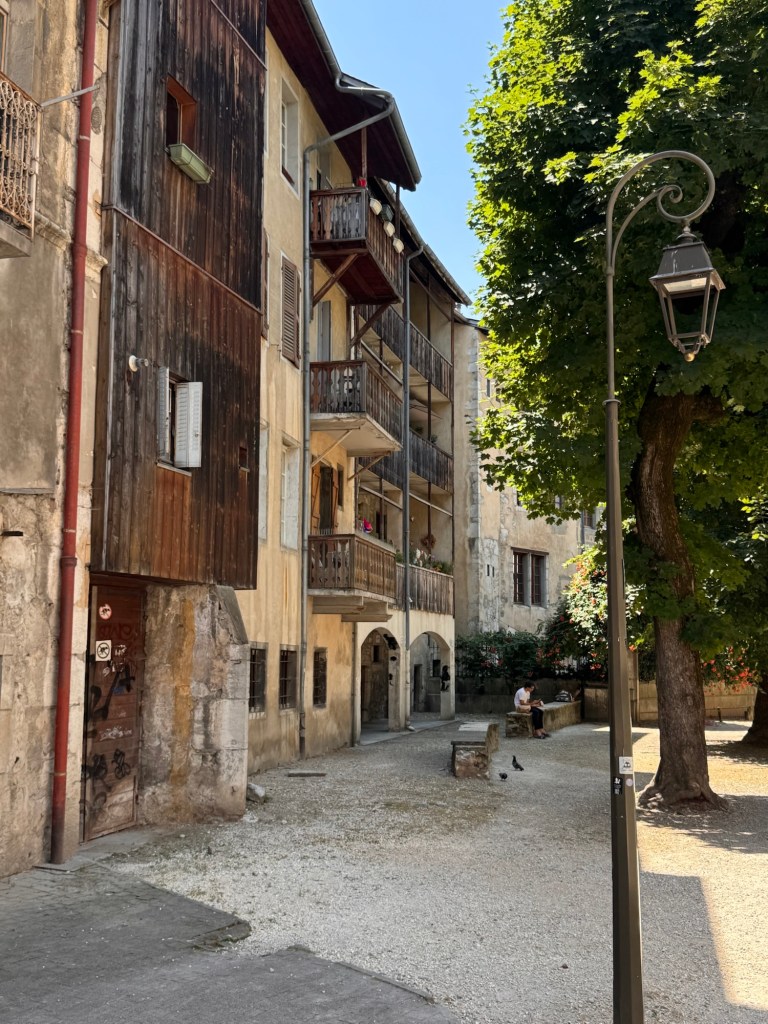

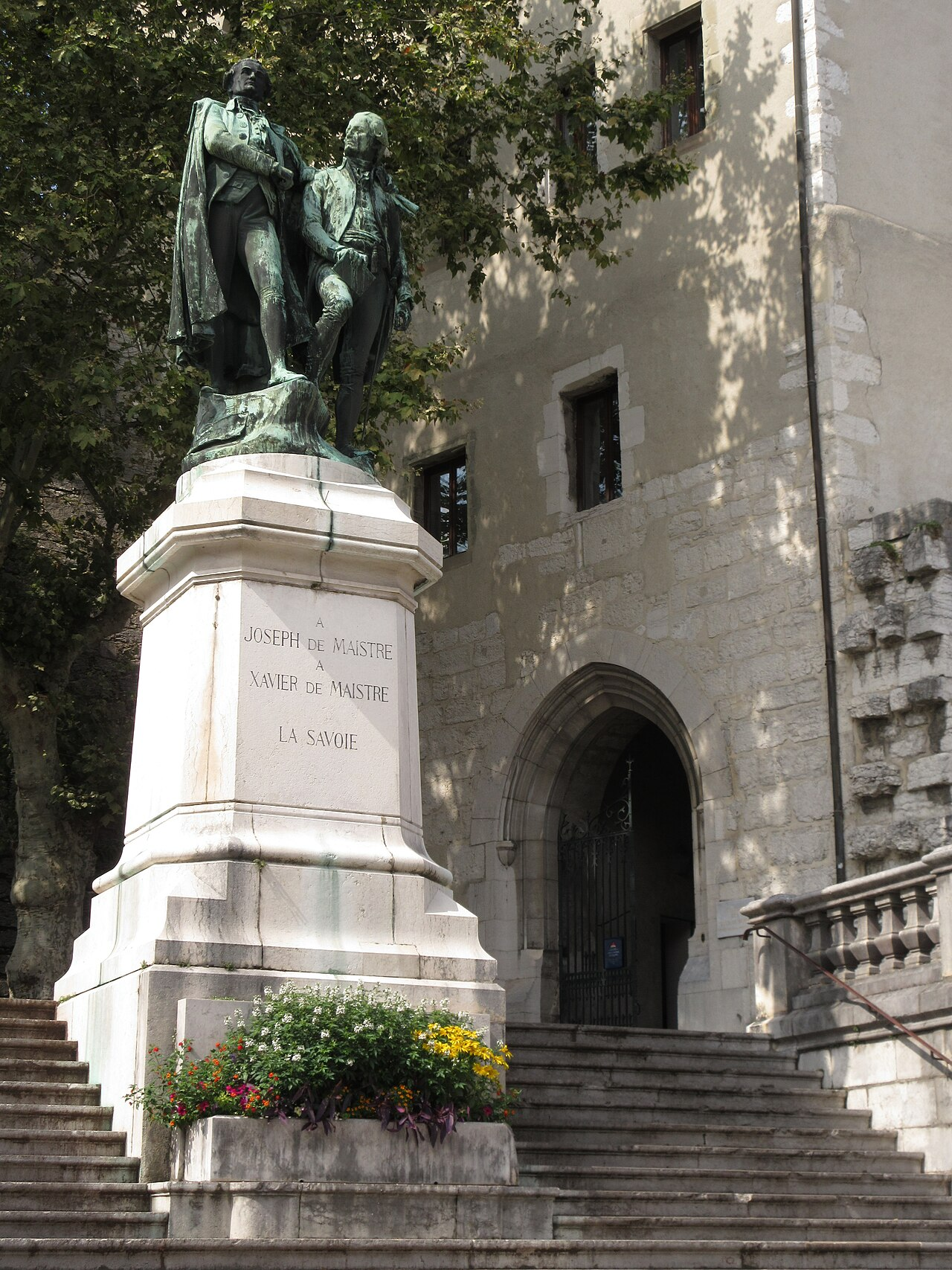

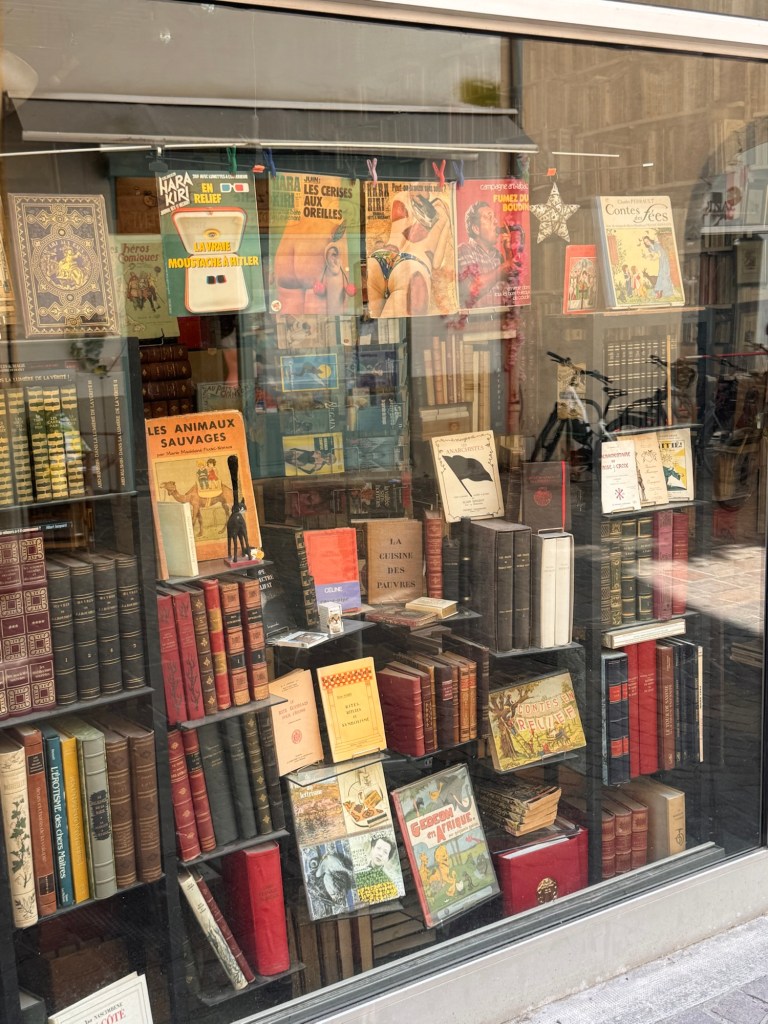
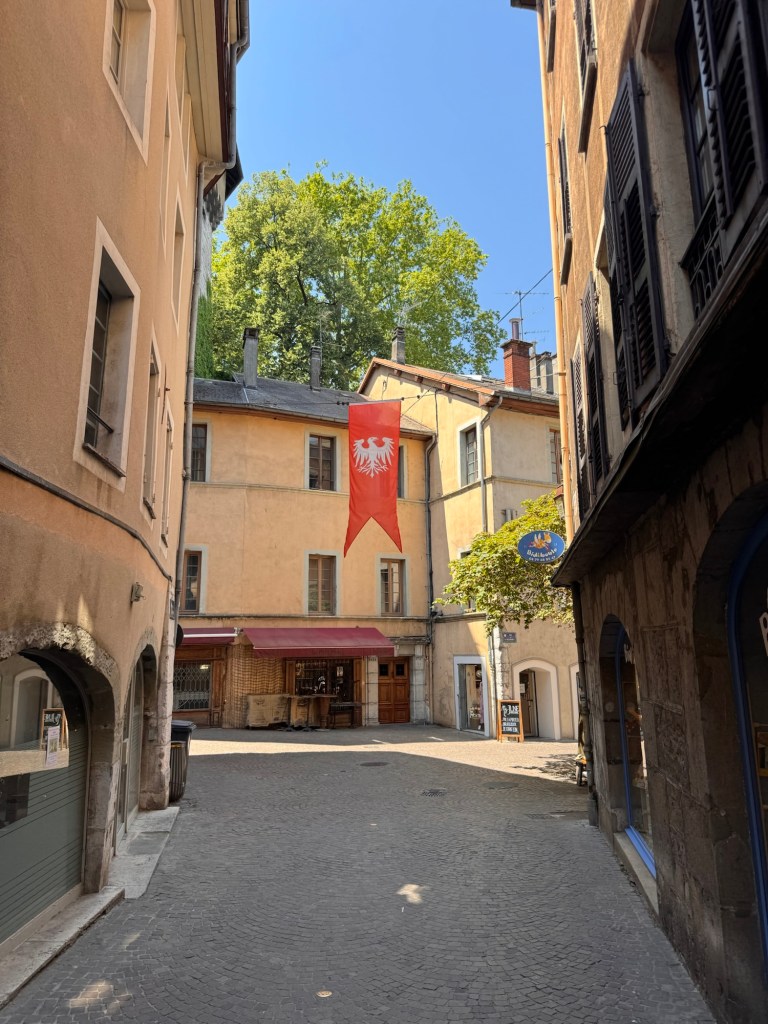
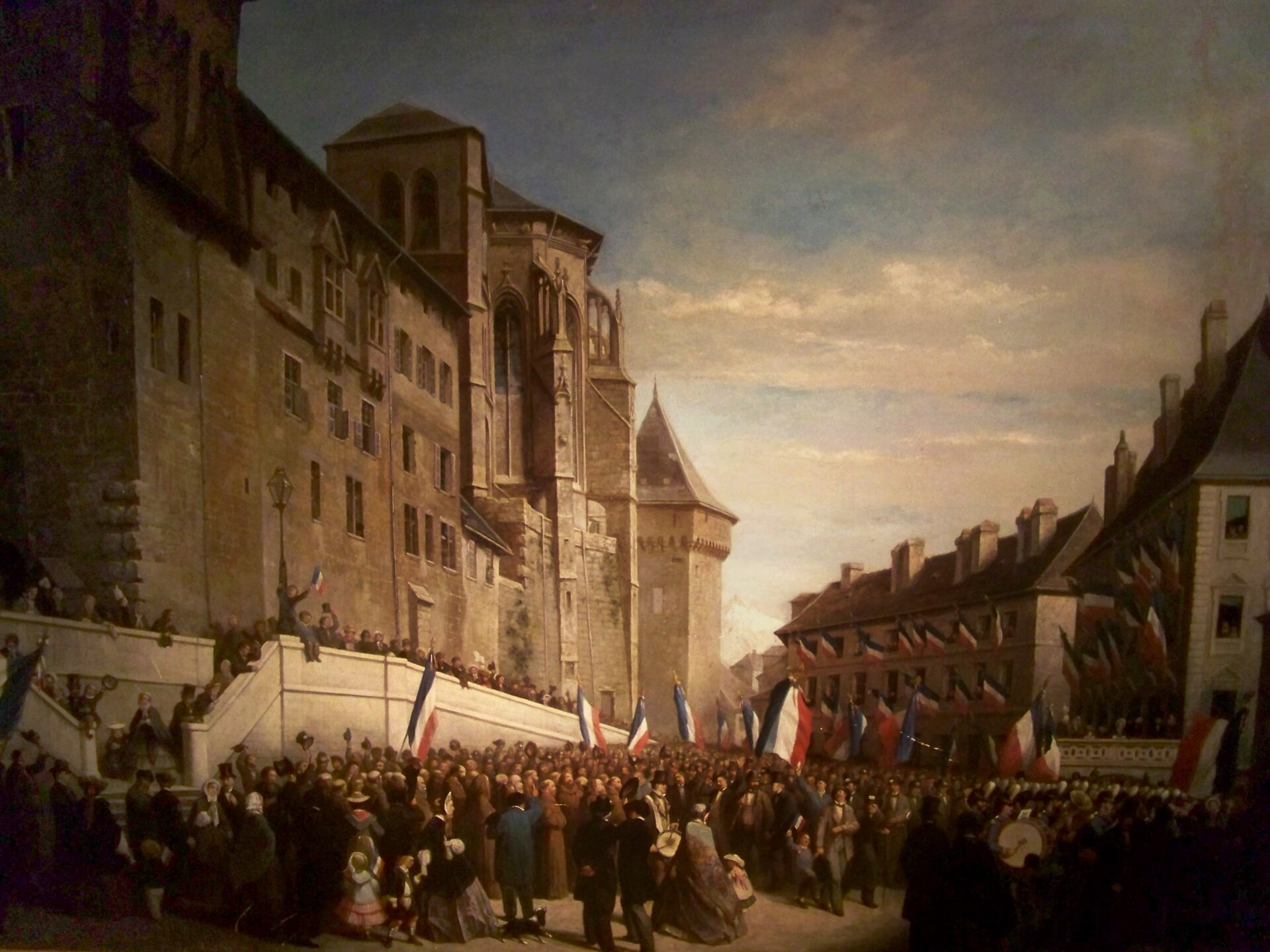

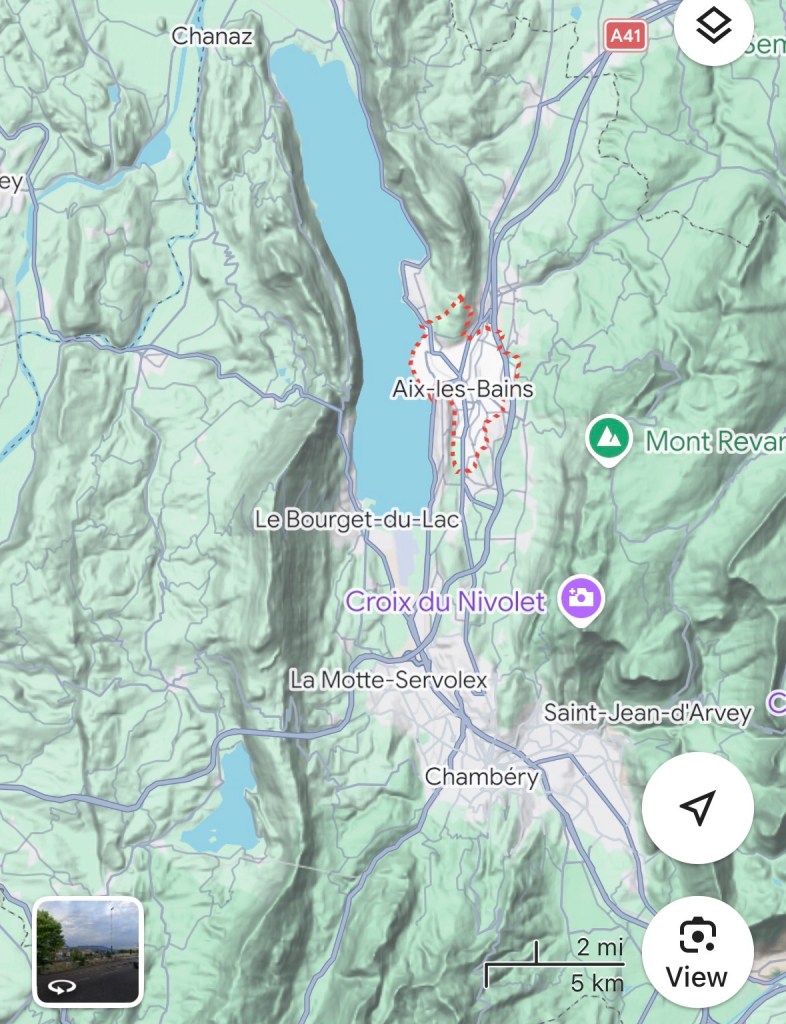


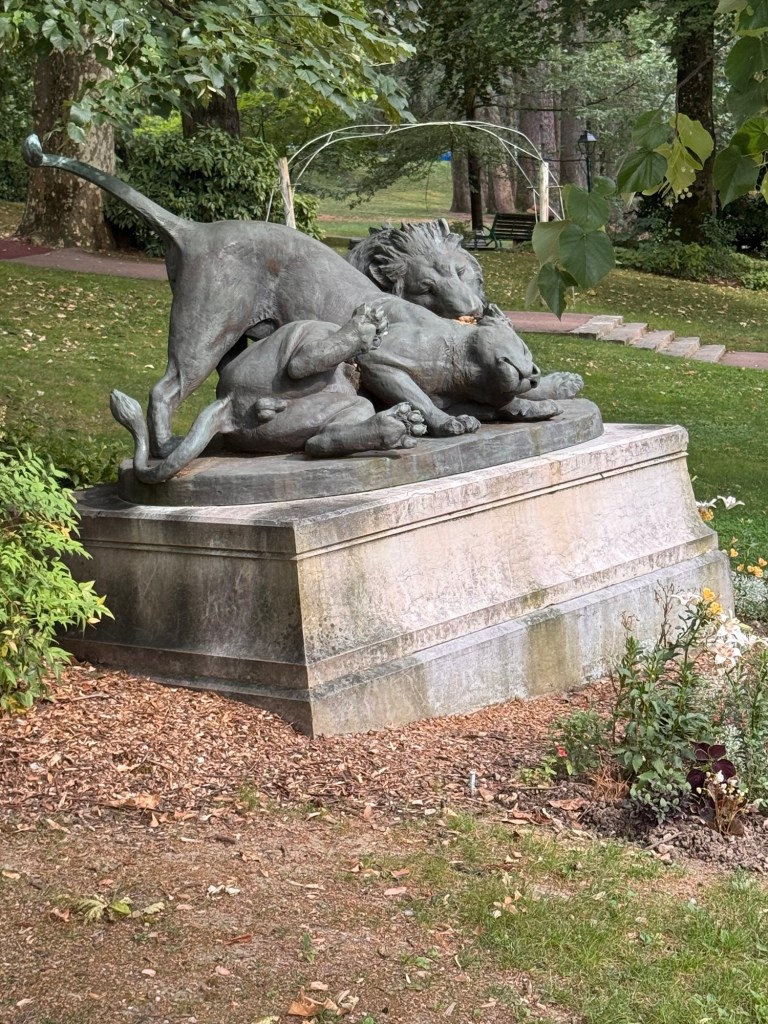
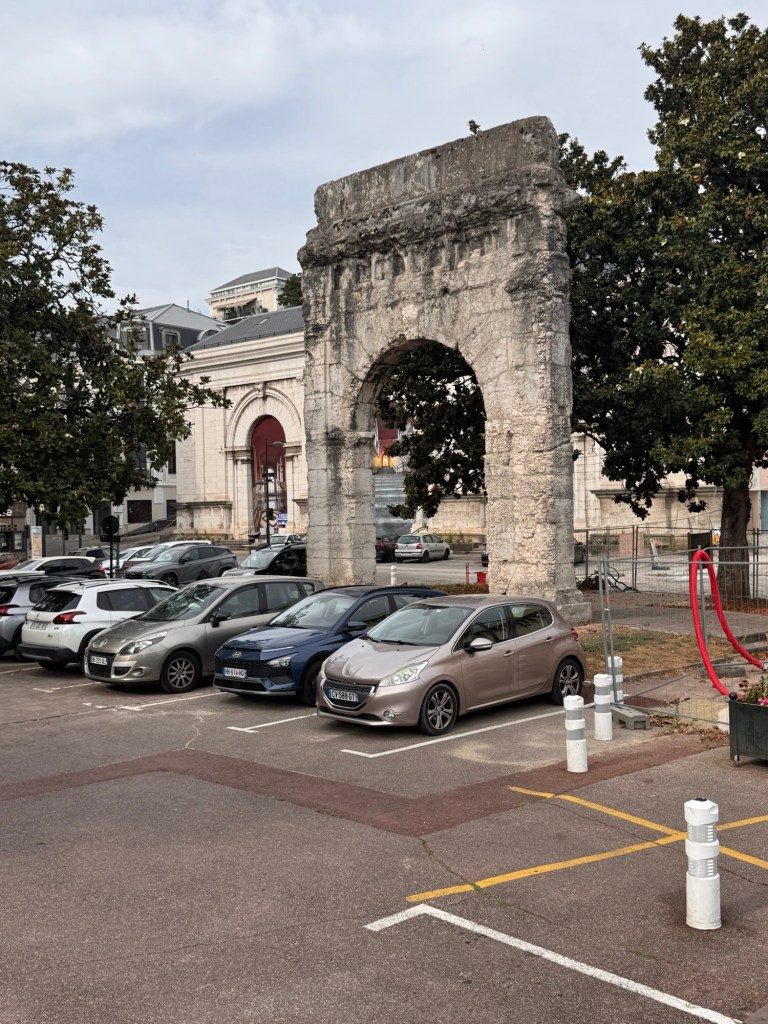
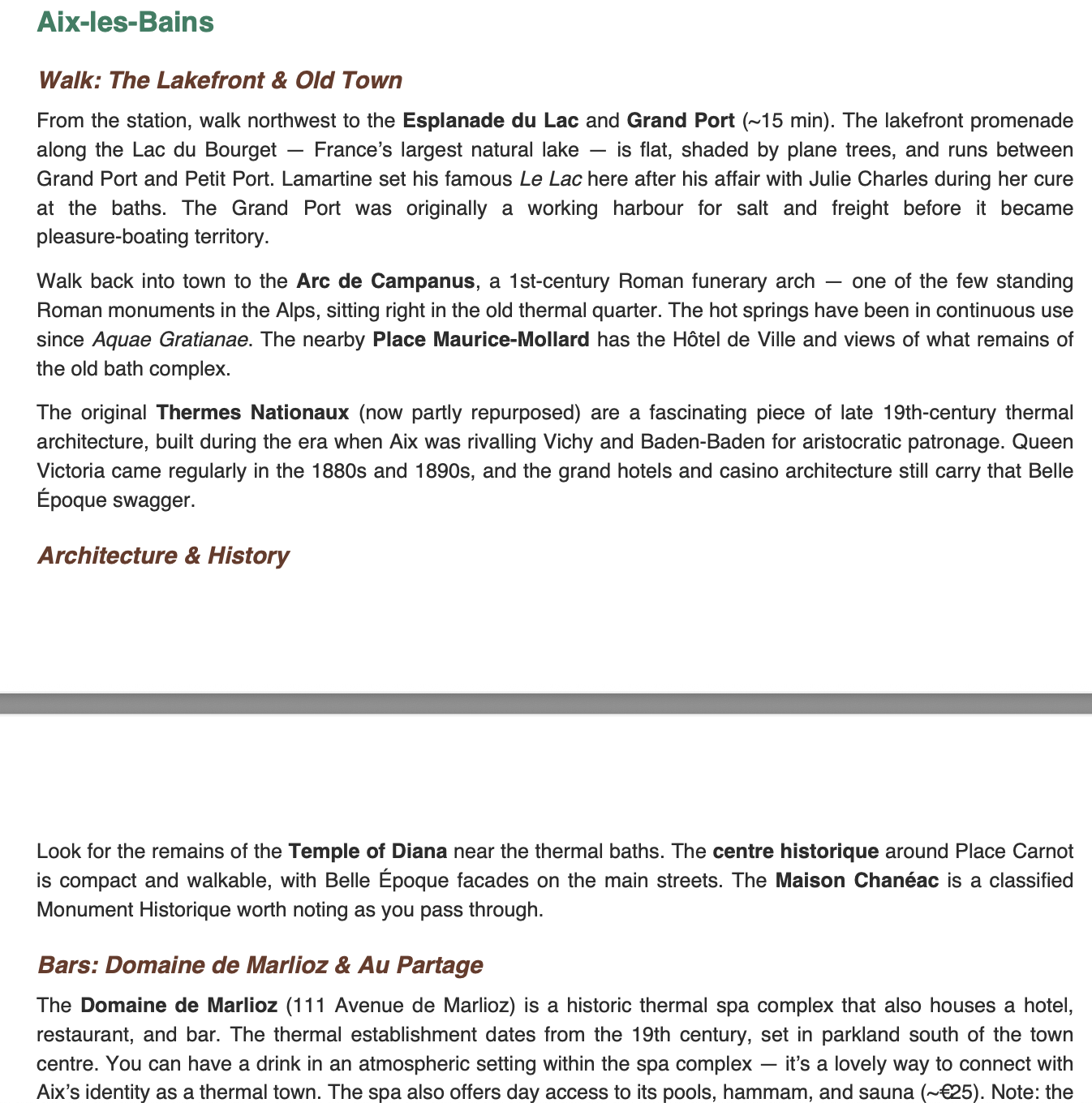

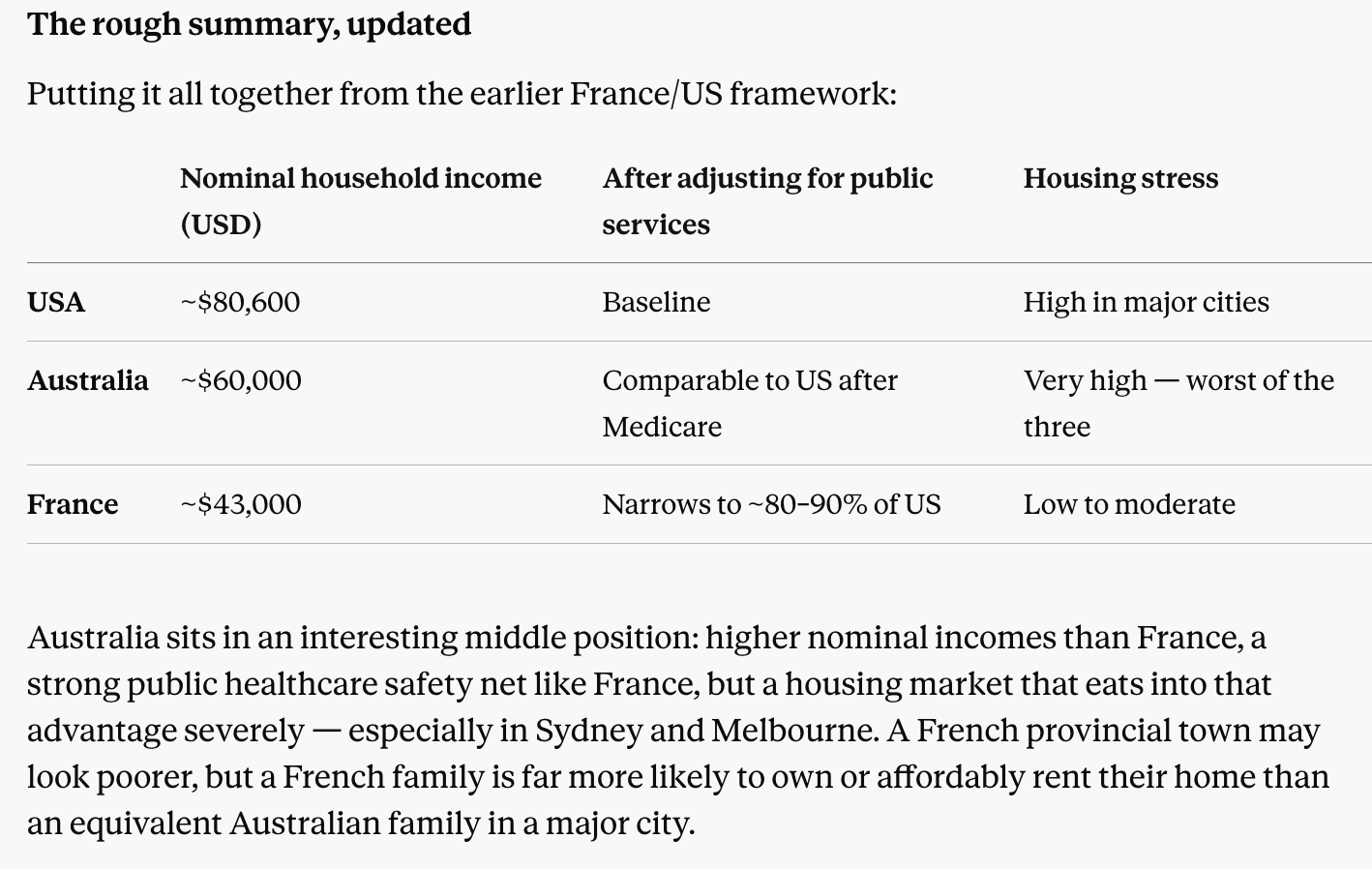
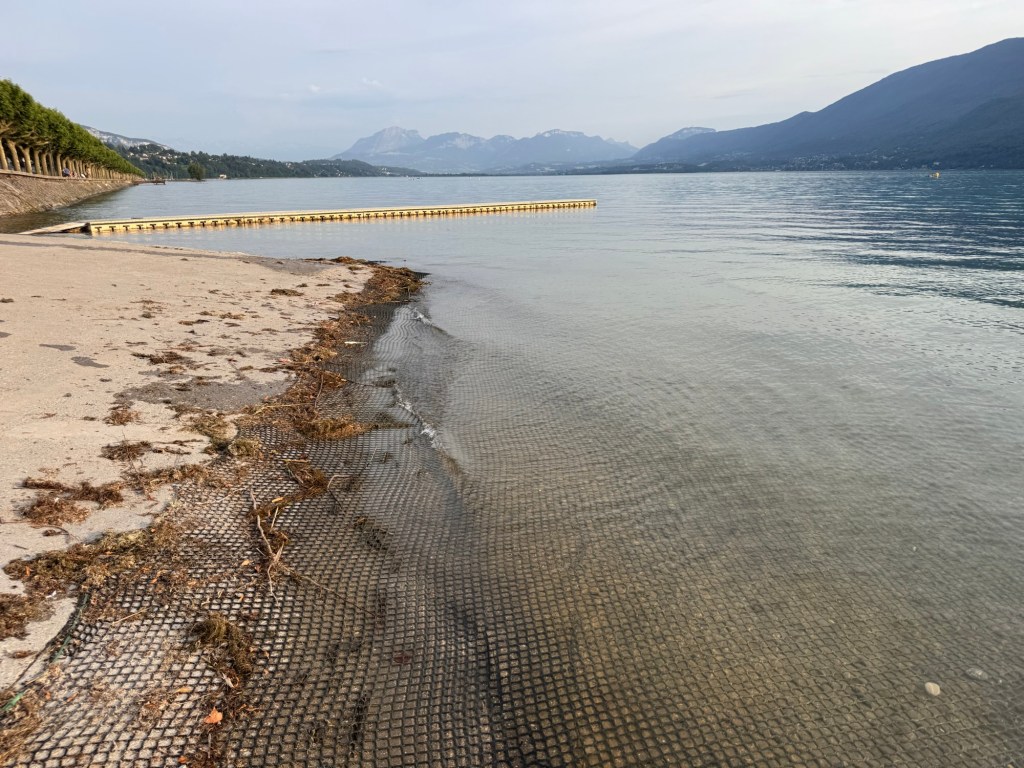
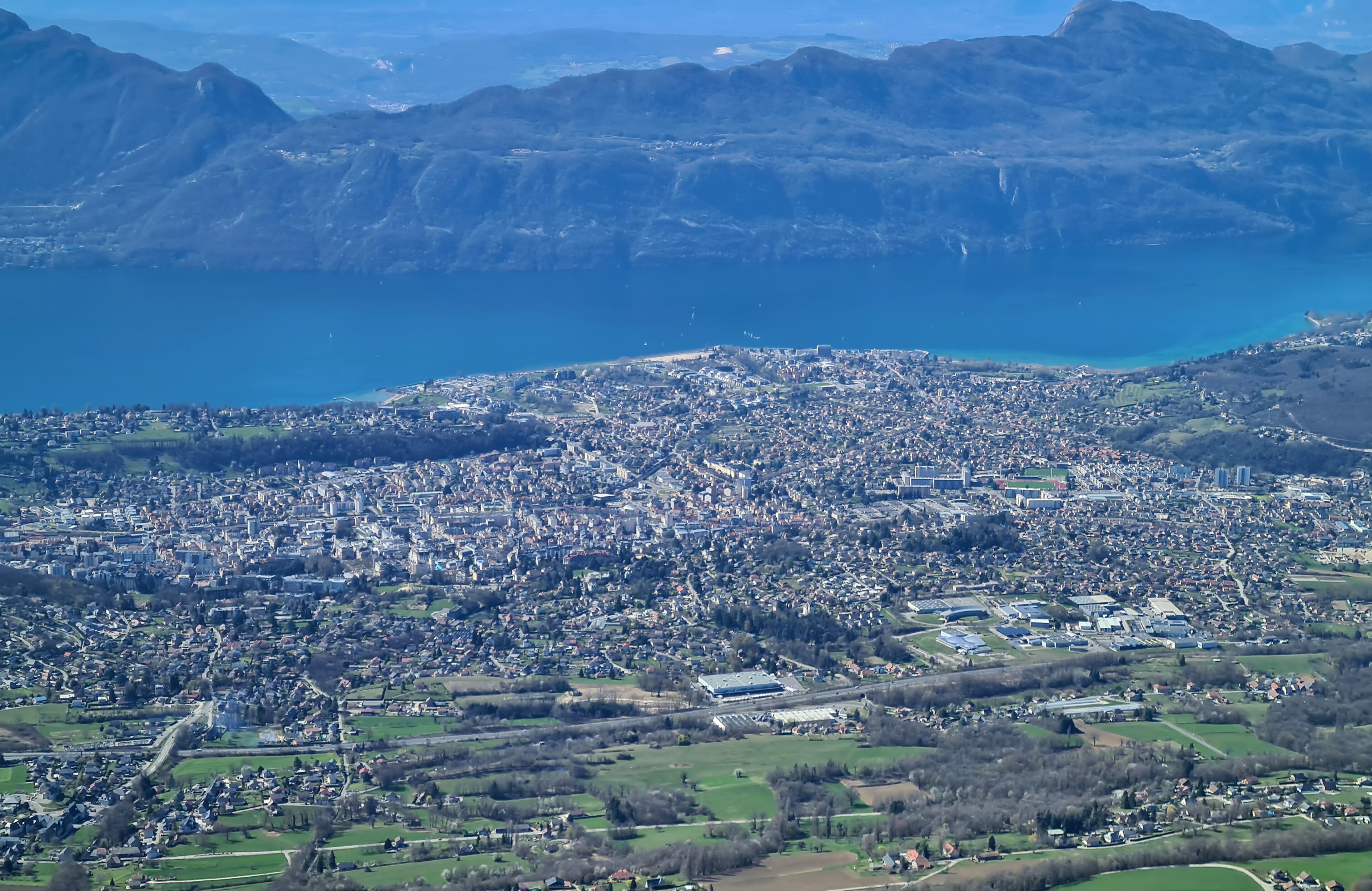
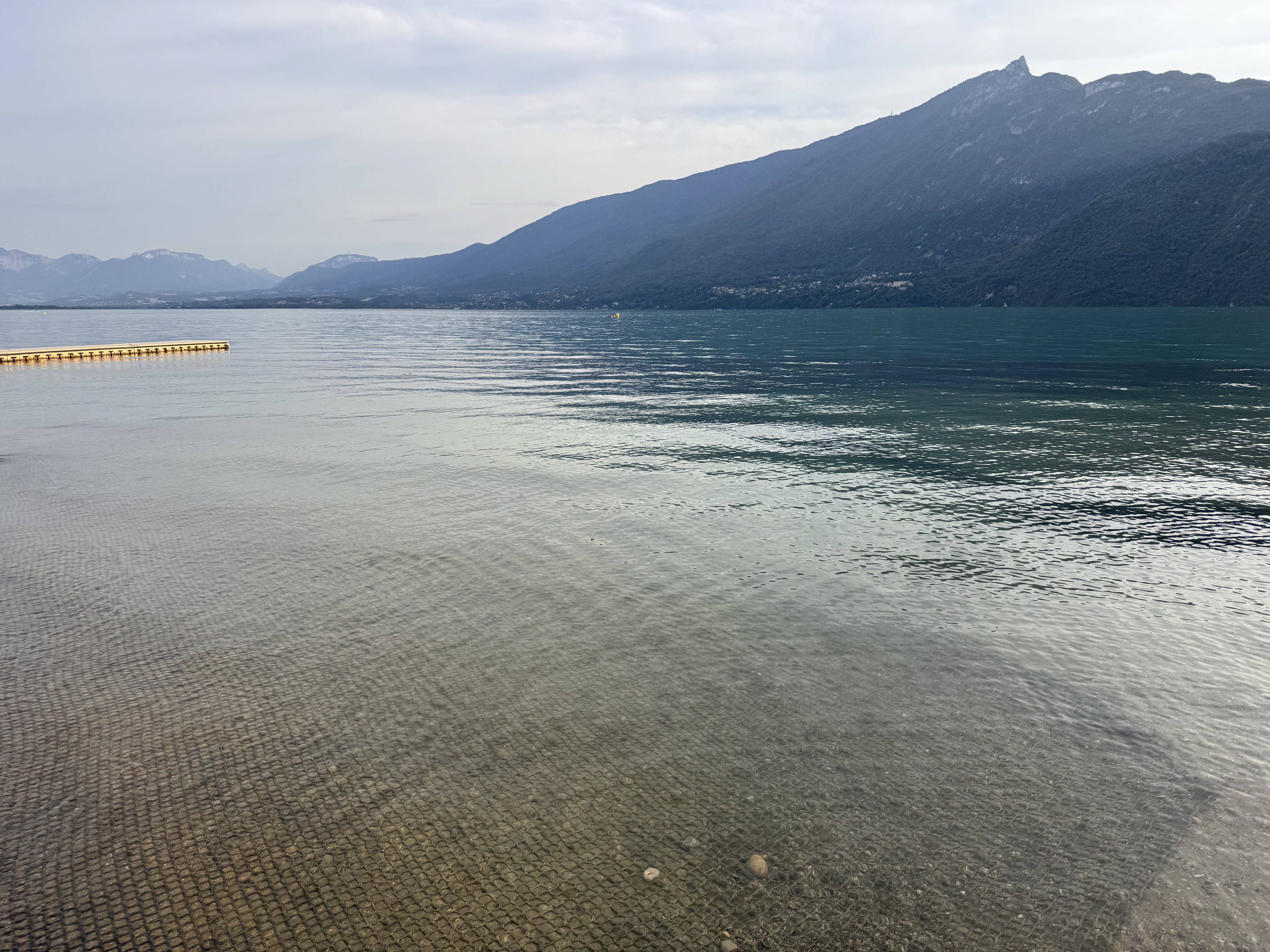
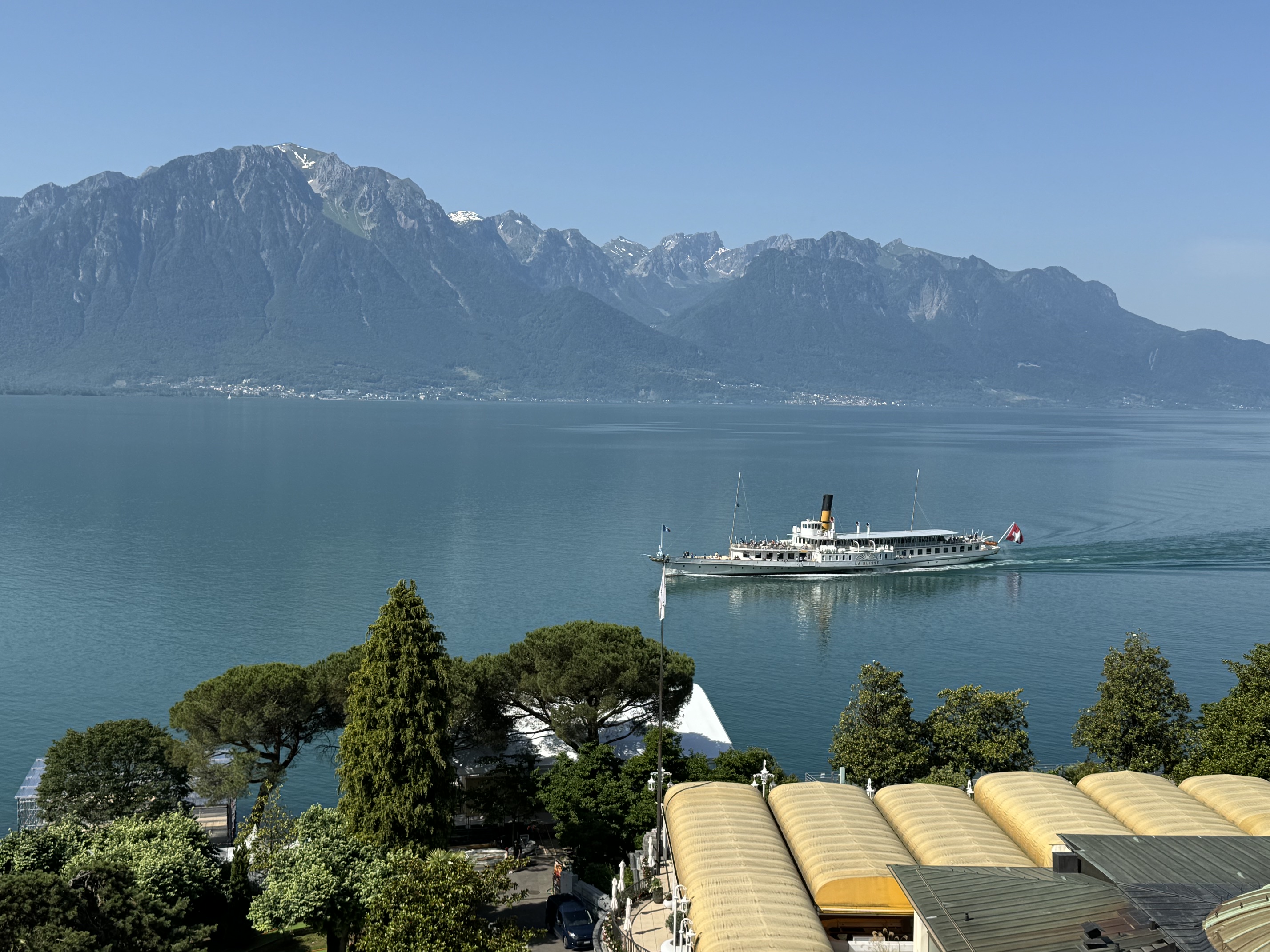
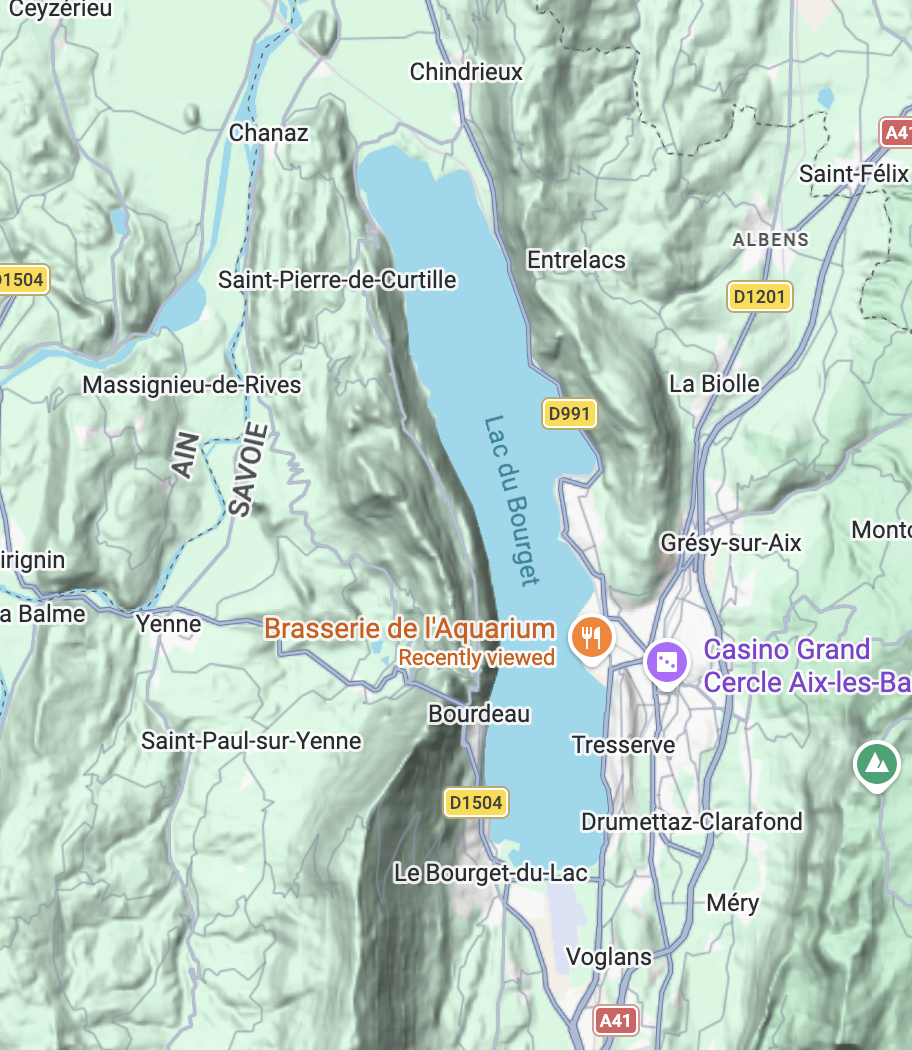
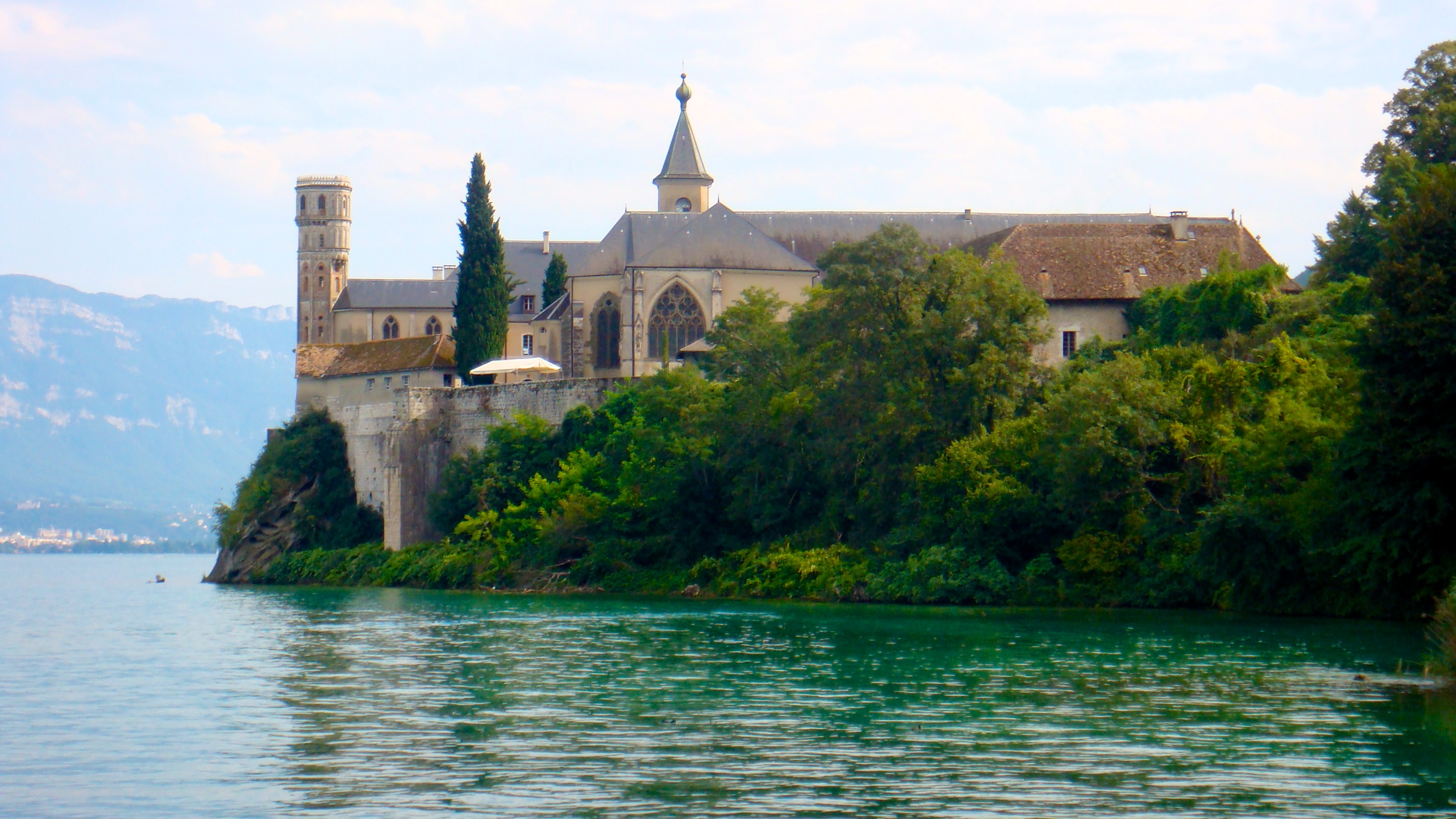
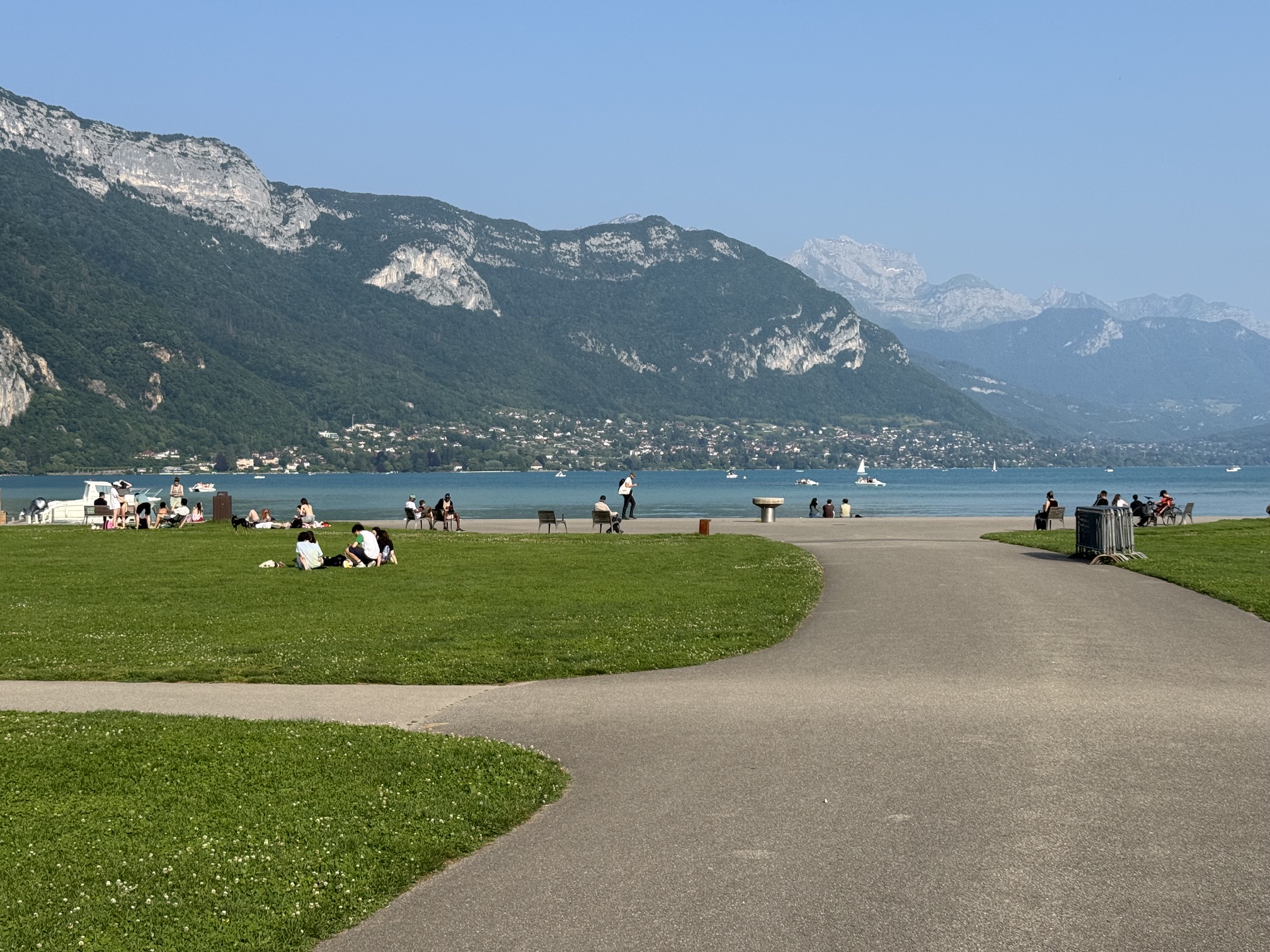
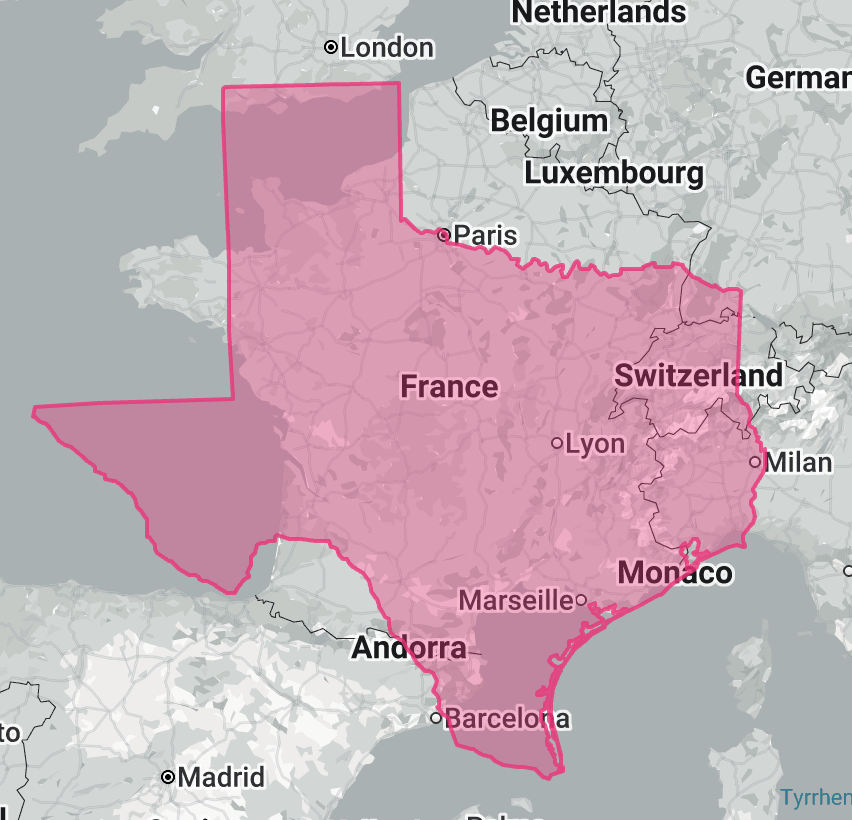
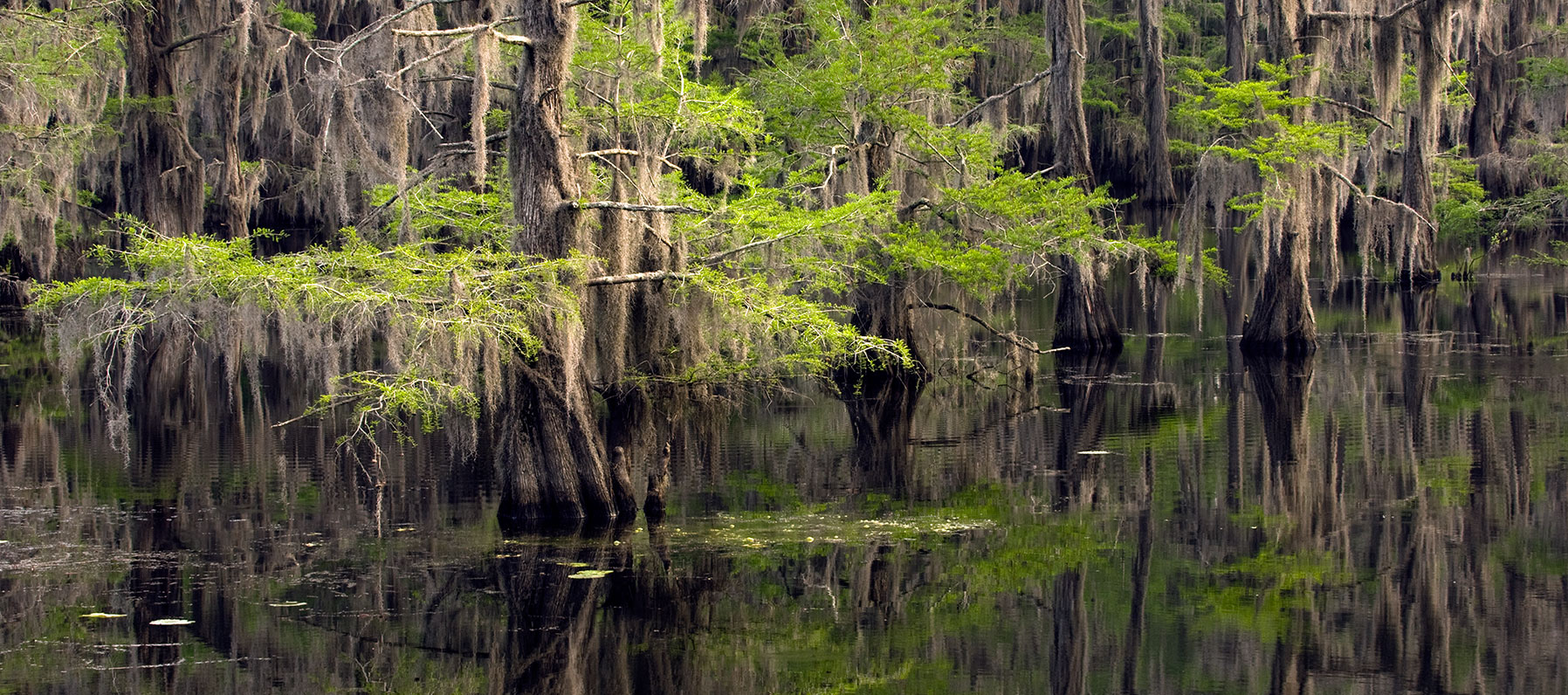
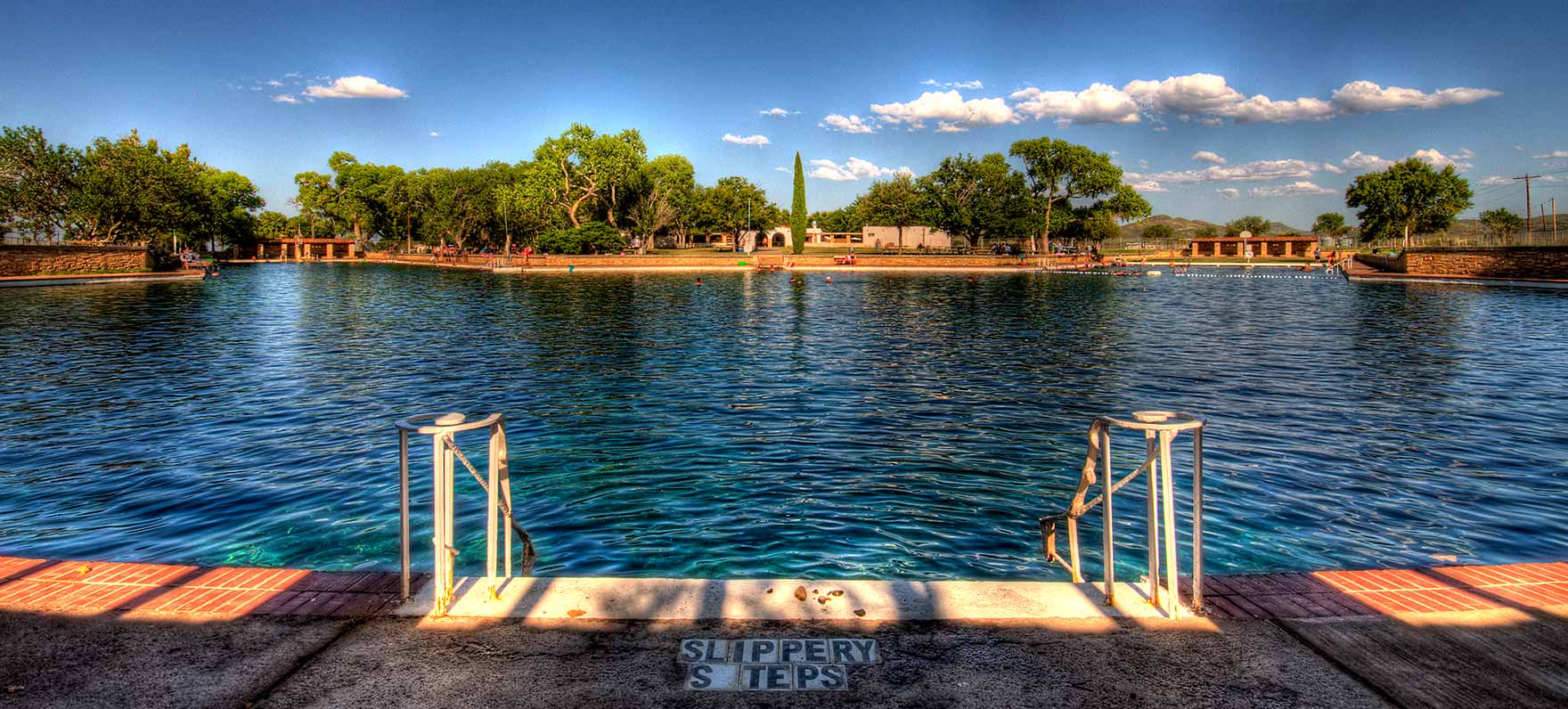
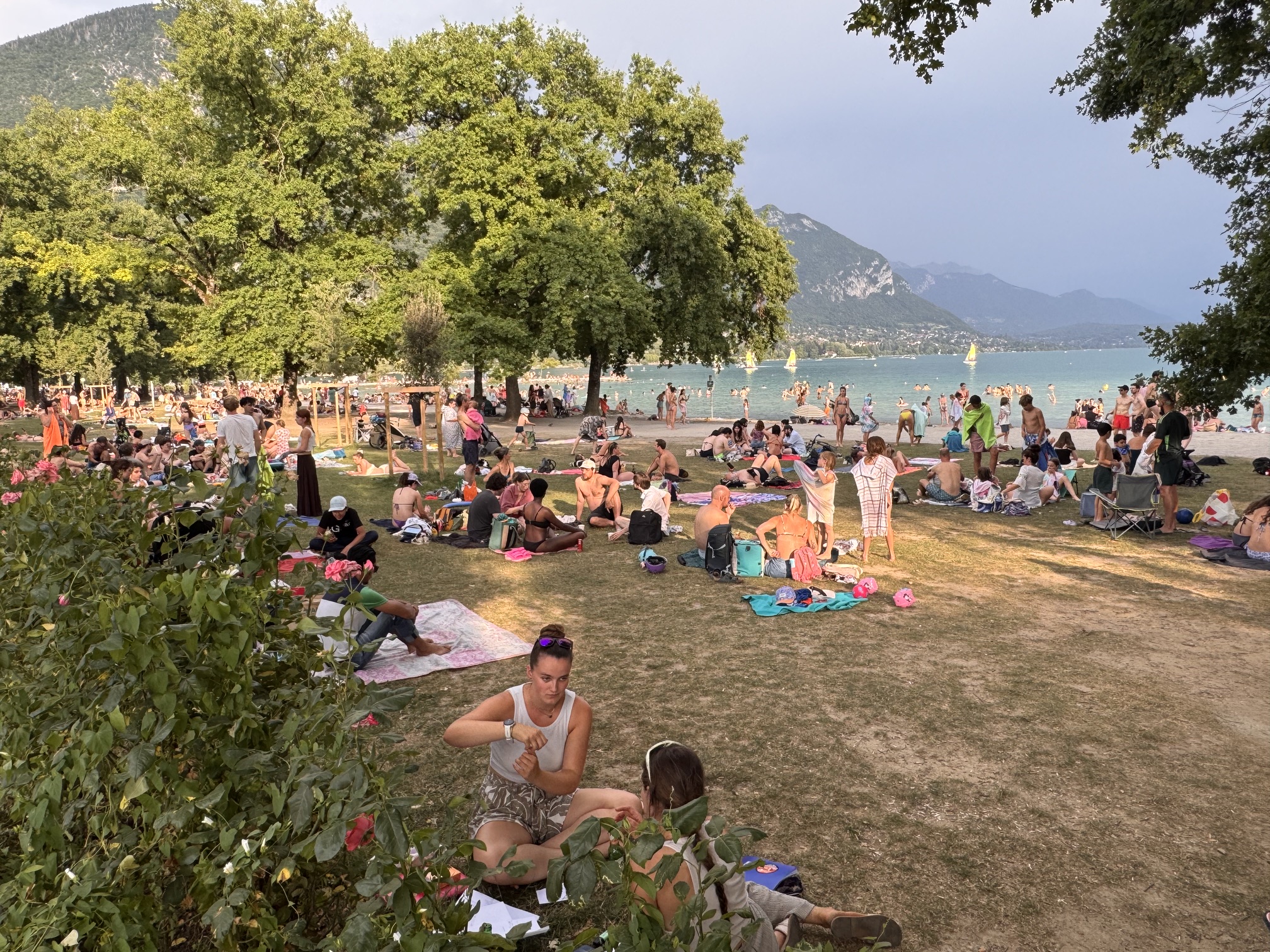
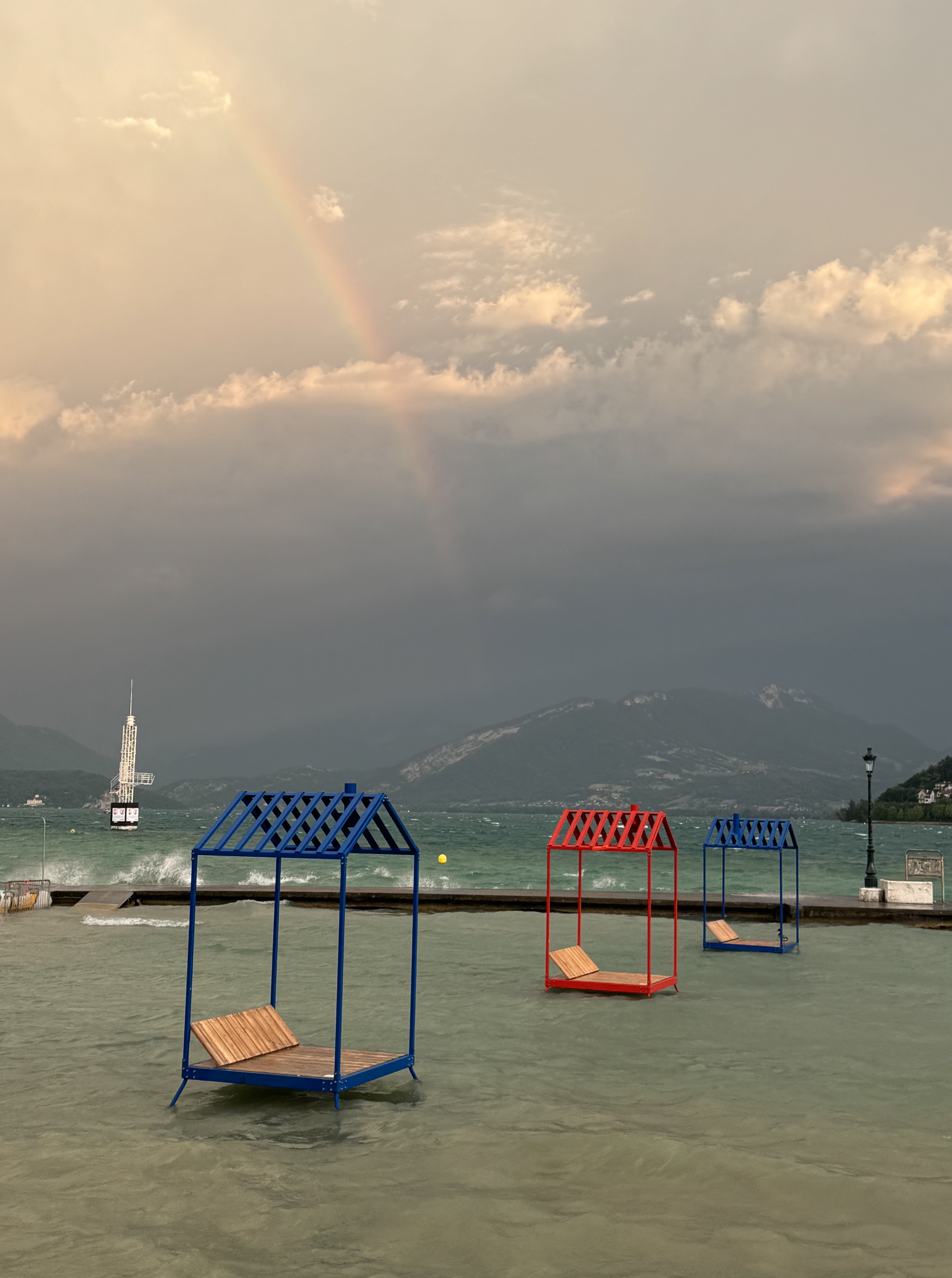


_crop.jpg)


.jpg)

